Sonntag, 27. September 2026Moskau
Eurasian Information AgencyEurasische Informationsagentur
Dieser Artikel ist auf Englisch verfügbar.Übersetzen →
Klima

‘It’s hard to sell a house when it’s covered in baboon faeces’: Cape Town divided over plan to remove its monkeys

Two troops of chacma baboons are breaking into homes and shops but animal rights activists insist coexistence is the answer

Veröffentlicht
‘It’s hard to sell a house when it’s covered in baboon faeces’: Cape Town divided over plan to remove its monkeys

Cape Town’s city council has said it will “imminently” round up two baboon troops coming into repeated conflict with residents. The animals will be sterilised and permanently moved to a newly constructed sanctuary. The plan has been fiercely criticised by animal rights activists, who say the monkeys should remain roaming freely, and that less destructive options have not been properly considered.

Cape Town’s baboon problem has been brewing since the 2000s, after the city stopped culling troops in the late 1990s after pressure from the public. But in the past two years it has reached boiling point. A 2025 census found that the population had grown by a third since 2000, from 360 baboons to 493, now living in 12 managed troops.

Quelle: The Guardian ↗

Teilen

Mehr zu diesem Thema

‘Planetary boundaries’ necessary for flourishing of life have been massively breached, scientists warn
Klima‘Planetary boundaries’ necessary for flourishing of life have been massively breached, scientists warn

New report shows key indicators of Earth’s health are ‘outside the safe operating space’ as climate disaster looms

Oliver Milman
US ends limits on coal and gas plant emissions, removing key tool to battle climate crisis
KlimaUS ends limits on coal and gas plant emissions, removing key tool to battle climate crisis

Trump’s EPA strips itself of regulation ability, gutting Clean Air Act in what experts say is a gift to planet polluters

Oliver Milman
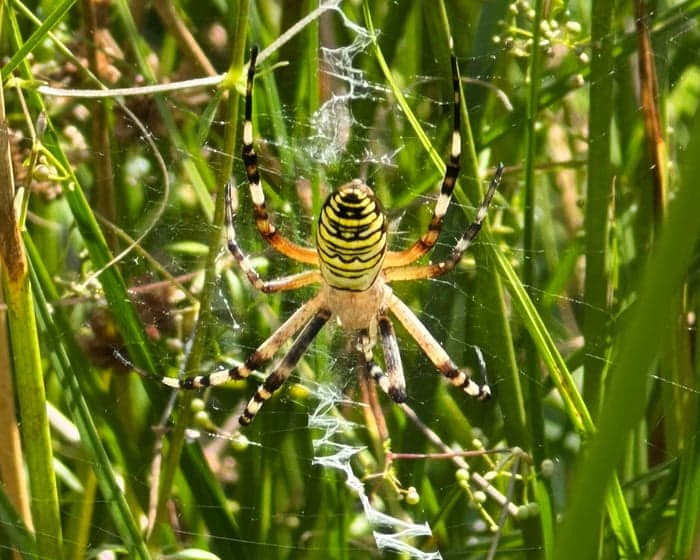
Wasp spider seen in north of England latest ‘climate refugee’ amid global heating
KlimaWasp spider seen in north of England latest ‘climate refugee’ amid global heating

The Argiope bruennichi, spotted in Cheshire for first time, part of worrying trend that could threaten native species

Donna Ferguson
Der EIA-Briefing

Bleiben Sie jeden Morgen informiert.

Die wichtigsten Geschichten, ausgewählt von unseren Redakteuren — jeden Werktag vor 7 Uhr in Ihrem Postfach.

Kein Spam. Jederzeit abbestellbar.