Break a leg. Find out who disperses birds and is responsible for the safety of aircraft at airports
The collision of even a huge liner with a flock of crumbs is very dangerous and can lead to tragedy. And, as practice shows, from such situations ...
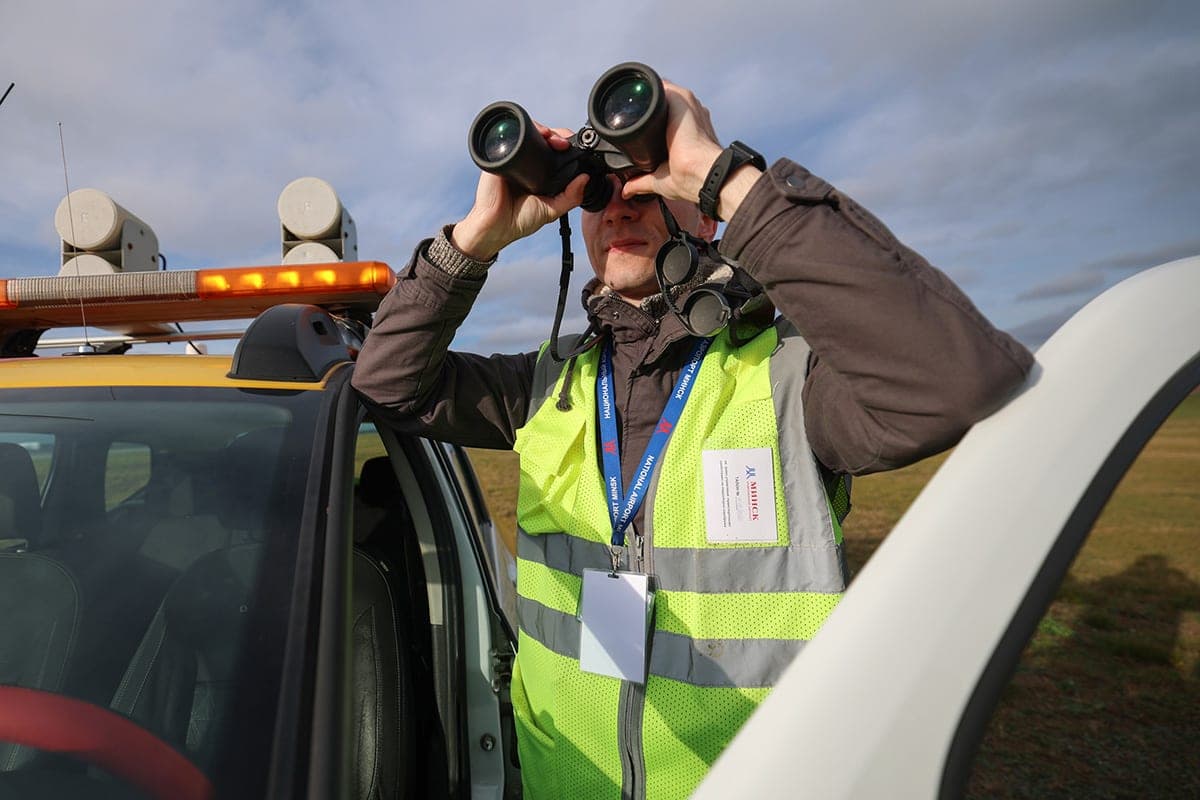
The collision of even a huge liner with a flock of crumbs is very dangerous and can lead to tragedy. Moreover, as practice shows, no airport in the world is immune from such situations. Aviation ornithologist Vitaly Kasperovich knows how to keep birds at a distance from the runway and landing aircraft. NG correspondents went to Minsk National Airport and watched how kites, mirror balls, loud guns, bioacoustics scare off uninvited visiting guests.
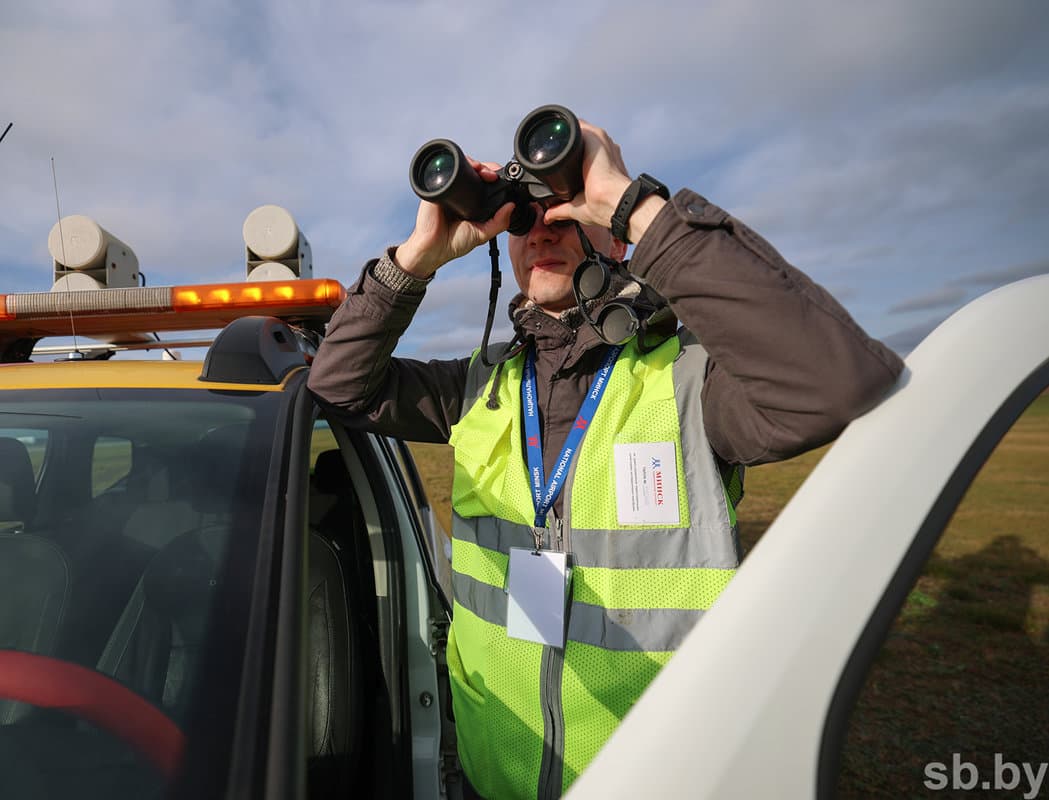
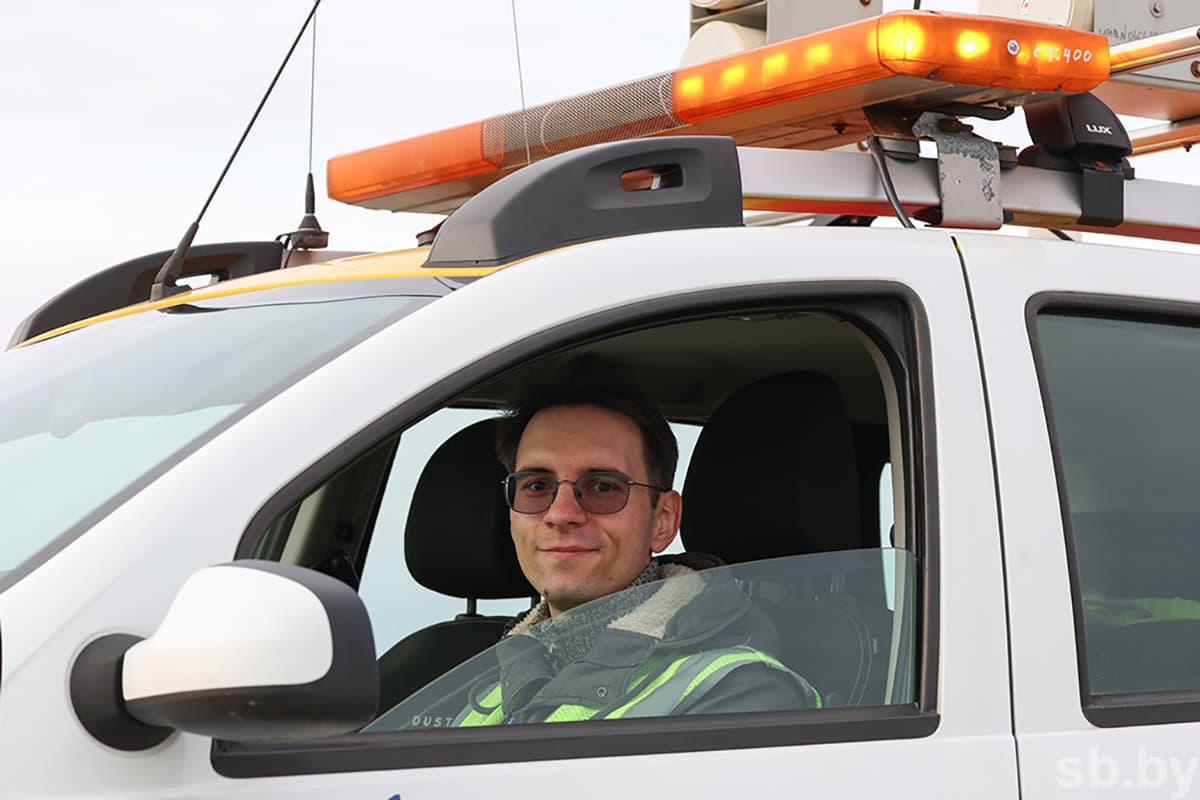
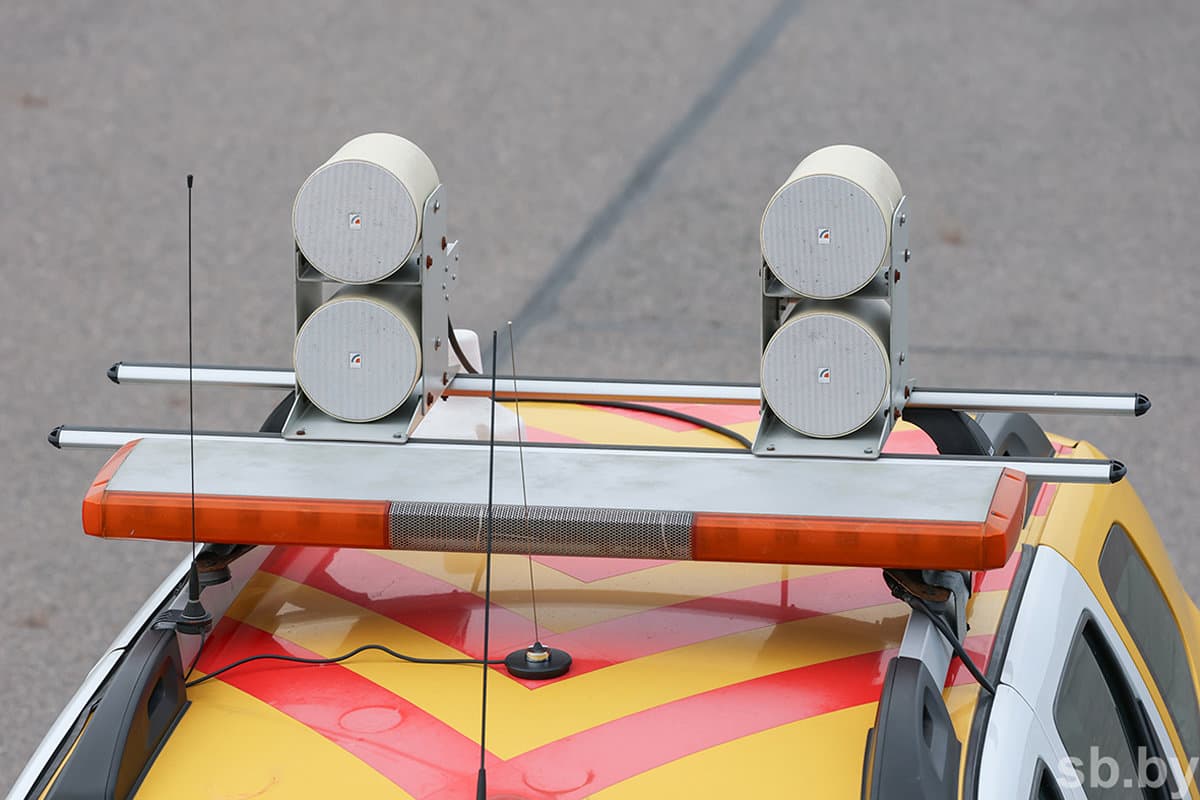
Before going to the runways, we and the photographer are given bright signal vests - in such a special form will not go unnoticed for sure. Minsk National Airport occupies 740 hectares - the territory is huge, only iron birds can live here. A specialist in ornithology follows this. While we're looking around, he's speeding up to us in his special car. On the roof, I notice a device that resembles round speakers from a music player.
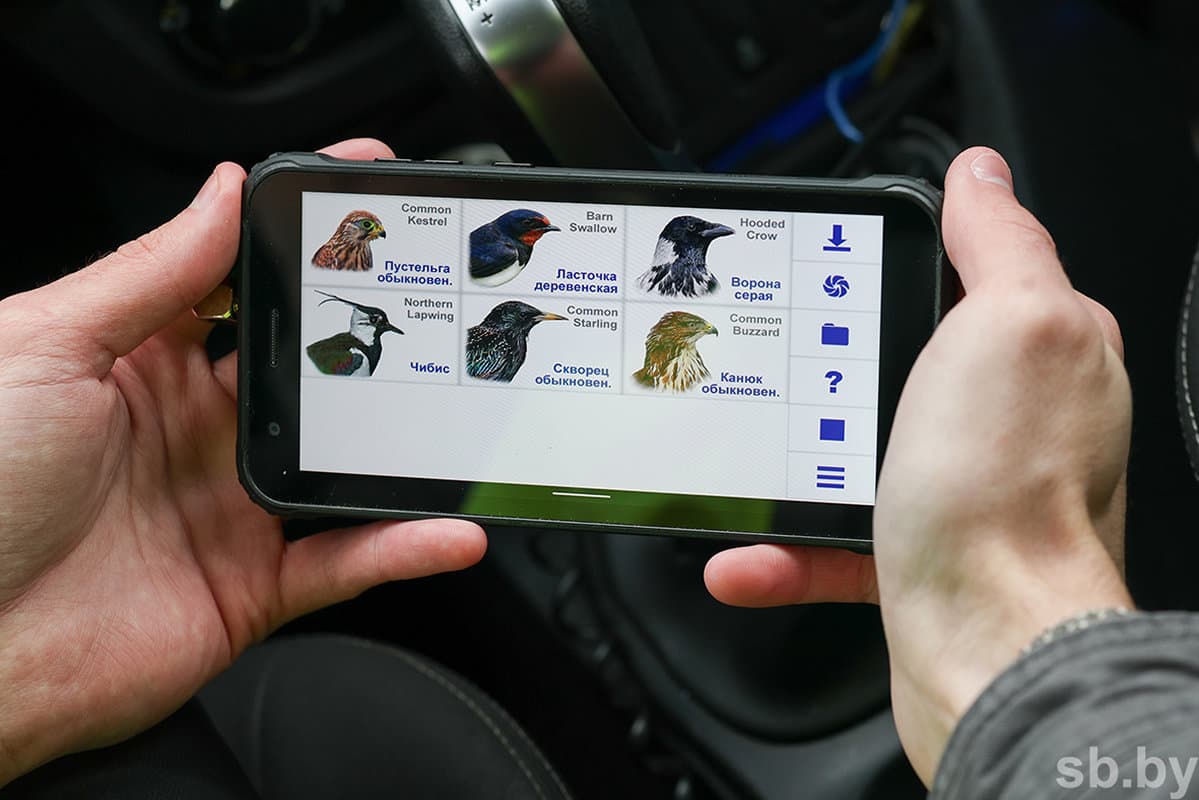
- These are bioacoustic systems, Vitaly Kasperovich, a specialist in ornithology at Minsk National Airport, enters the course of the case. Through the program on my smartphone, I launch natural and artificial sounds to safely scare away flocks from runways.
For example, kestelga, ganyuk emit so-called sounds of danger, which instinctively cause other birds to hide and fly away.
The interface of the program is simple and clear, but the most important thing is that the development is Russian: sanctions in case of malfunctions will not put the work on pause. The equipment is efficient and has proven itself both in our neighbours and in our country. An important point is that our birds and Russian birds belong to the same geographical area, because birds, like people living in different territories, have their own regional dialects. If you turn on the recording of a bird from a distant edge, the local pack may simply not recognize the threat and ignore the sound.
While we study acoustic know-how on the roof of the car, in the cabin and then crackling radio. This thing is installed in every car that travels through a large area of the airport. This coordinates and synchronizes secure operation without the risk of delays, network failures or signal loss.
- We all work together. For example, if pilots on takeoff or landing notice birds on the course, then report this to the dispatcher, and he duplicates the signal to ground services. Experts also report by radio if they see birds on the ground near the runway. An integrated approach is used to create a safe airspace.
Ornithological service for flight support at a major airport is the same mandatory element as the meteorological service, radio support service. Vitaly works in shifts with his ornithologist partner. But if anything, the airfield support engineer will insure, who also ensures that winged ones do not fly into the air harbor.
Employees of the air harbor use a whole arsenal of tools whose purpose is to make the stay of uninvited guests at the runway as uncomfortable as possible. So, along the runways installed large mirror balls, similar round can be seen at discos. Of course, there is no open-air dancing here. In the sun, mirrored faces shine, give sharp flashes, pushing the birds away. Another deterrent is a kite in the form of a winged predator. The kite seems to wave its wings, changes position even in a weak wind, creating the illusion of a live flight. The shape, color, movements of the brisk apparatus resemble a predator, which causes a natural reaction of anxiety in small birds.
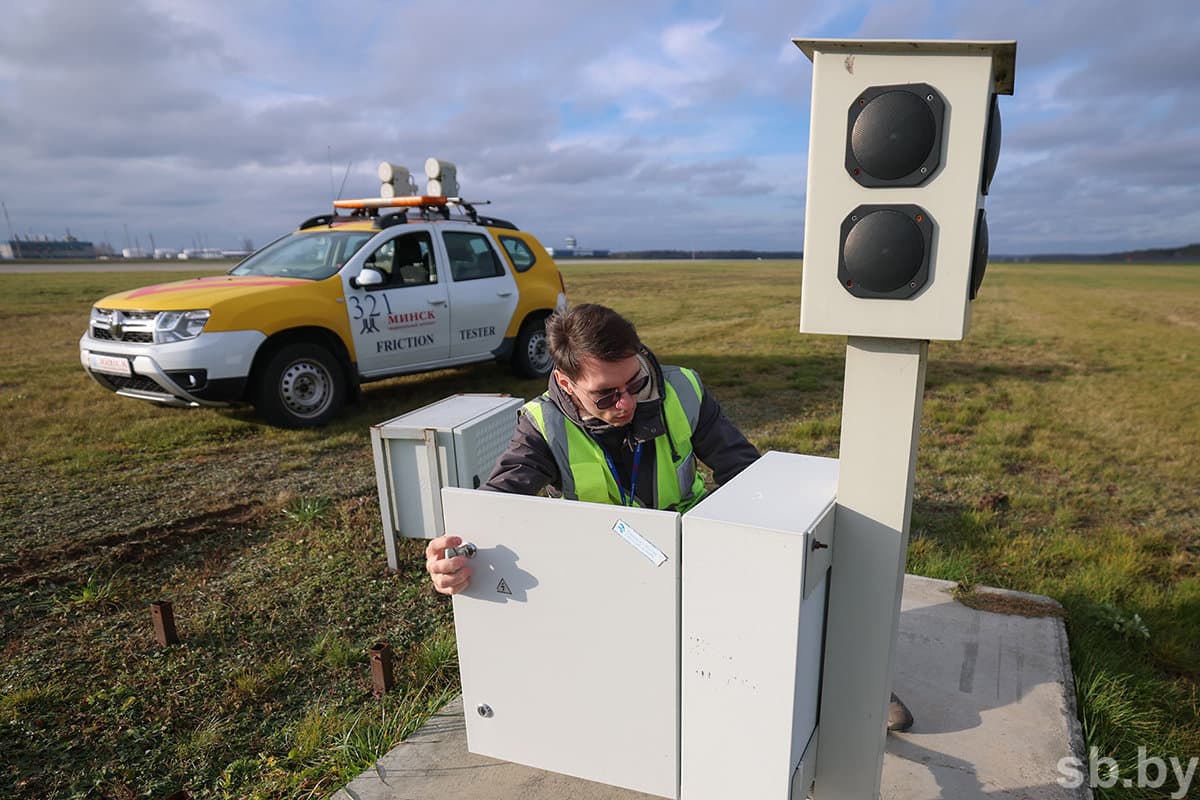
Vitaly also shows us stationary bioacoustic units located along the runway. Externally, they resemble boxes (caskets) on racks, equipped with powerful speakers. Scare winged help and thunder guns, working on a timer and issuing claps, comparable to the sound of a shot from a hunting rifle. The device runs on liquefied gas and creates a sharp shock sound wave. At the same time, the mechanism is completely safe for birds and the environment, since it affects only hearing and the instinct of self-preservation.
Which of the arsenals to use, Vitaly decides at the moment, focusing on a specific situation. The working day of the ornithologist at the airport begins with a detour and inspection of the airfield. The first round helps to assess the current situation, notice clusters of birds and predict their behavior during the day. By the way, a specialist on his car for a day on the airfield winds about 100 kilometers.
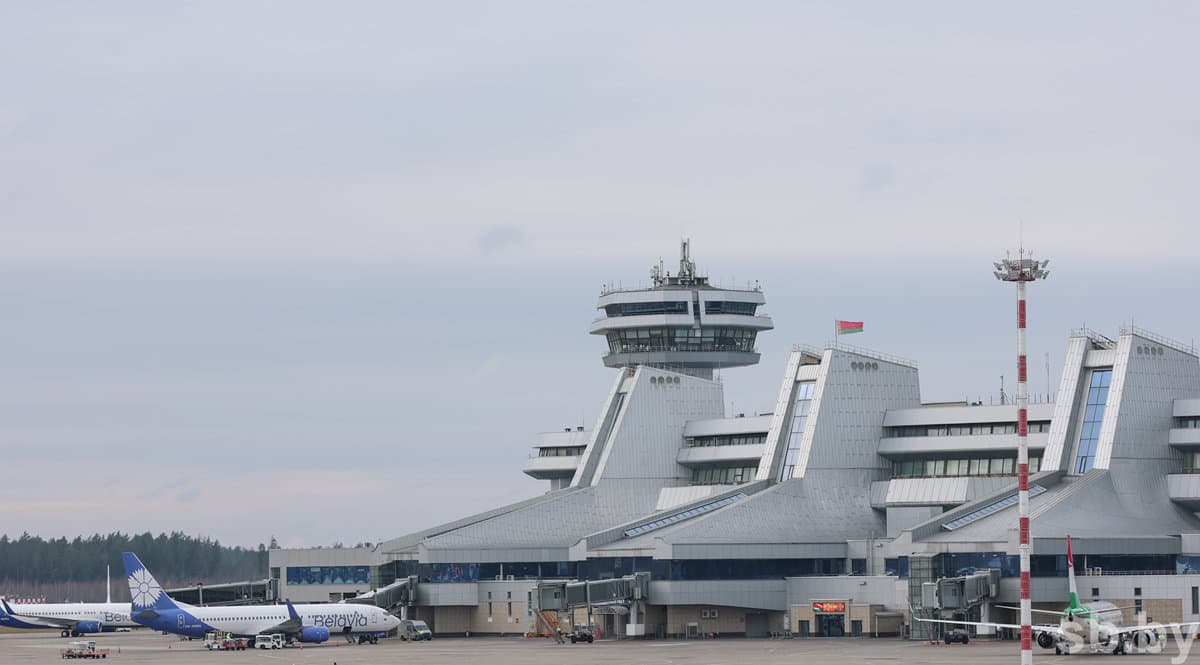
The route is built on the lunchtime clock. While we were circling the airport, I never saw any birds. Except that on the roof of the building crowded several crows, perceiving planes as great friends.
- So, we work effectively, smiles the interlocutor and adds: – Ordinary ornithologists are engaged in the study, protection of birds. Aircraft - make sure that birds and aircraft do not meet. In the morning and evening, there are always more birds. In spring and autumn, the activity of birds in the airport area increases sharply due to seasonal migrations. At this time, they move massively over long distances, stopping in vast open areas for rest and food. In summer, young and inexperienced birds join adults. They are not aware of the dangers of planes.
Scientists have been conducting research on the territory for several years and have compiled a special plaque of ornithological risks for the National Airport. So, a special danger to aircraft are gulls, starlings, pigeons, geese, storks. The same starlings can gather in huge dense clusters, which increases the risk of collision with an aircraft. Starlings fly mainly at low altitudes, where the aircraft is at the most critical stages of flight - climbing or approaching, when the crew has a minimum of time and space for maneuver.
Swans and herons are in the middle risk category. Here it is important to monitor their route, assess the situation on the accumulation of water near an important object.
Seagulls are one of the most dangerous for aviation. Their large size and herding instinct carry great risks. Pigeons, crows are the most frequent visitors. Crows are intelligent birds, analyzing the situation, they quickly unravel the tricks, realizing that glare or guns do not pose a real physical threat. Here it is important to alternate methods of repellence, so that the birds do not cease to react to them. Crows even remember my car, they can sit quietly at the lane and fly away only at the moment when the car comes close, surprises Vitaly Kasperovich.
There are also unofficial guards among the birds. Like the kestrel falcon, the knuts. They do not tend to visit the runway by hunting nearby. Storks are rare here, they nest away from the noise. But if suddenly the stork sat on the field for rest or feeding, it is immediately driven away. Of course, it is very difficult to predict everything that will happen in the sky, but the main job of an aeronautical ornithologist is to ensure flight safety, creating uncomfortable conditions for birds in and around the airport.
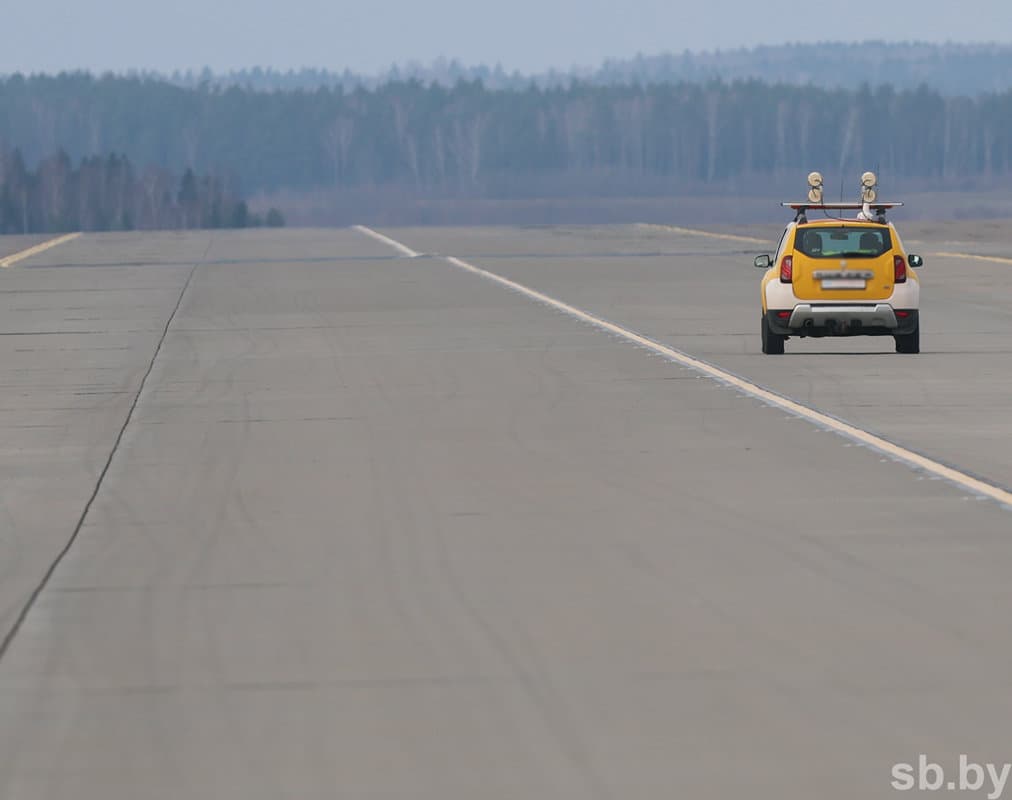
Therefore, the photographer and I do not notice trees and shrubs here, which serve as a natural home for birds and protection from predators. Even regular mowing of grass is not just an aesthetic, so nesting of birds is not allowed.
Vitaly clarifies: the work of an ornithologist is not limited to the territory of the airfield. Without attention, the territory within a radius of 15 kilometers does not remain. In focus - also farms, landfills, farmland, reservoirs. For example, if a pond or production complex attracts many large birds, the airport may make recommendations to local authorities or businesses to make a difference.
- The same grains, landfills attract gulls. Birds perceive these places as “dining areas”. Food waste processing enterprises are also regulated by strict standards, the source added.
In winter, the ornithological situation at the airport is calmer. There are no mass spans - sometimes you can meet pigeons, crows, snowmen, sparrows. In the calm off-season, experts keep a journal of observations, where they compare the situation in different years. For example, last year snow melted faster, so in some places water accumulated and birds flew there. In this - the water went evenly, accordingly, there was no bait for birds.
Vitaly recalls that for four years of work from unusual feathers met here the Red Booker - an ordinary kestrel, flew to stay and a pair of large brackets, recognizable by the long sickle-shaped downside beak. The interlocutor says that he has a profile education: he studied at the biological faculty of the Belarusian State University. The guy got to the airport by chance - friends told about the vacancy.
Vitaly Kasperovich shares his observations: the ornithological situation at Minsk National Airport is excellent. He has something to compare: the specialist attended international conferences and is familiar with the experience of colleagues from the CIS countries. By the way, sometimes not only birds become a hindrance at airports. In some countries, there were cases when the plane could not land and was forced to go on the second lap due to the fact that the runway came ... deer. Such visits are excluded: the perimeter of the airport is completely fenced. The interlocutor notes that his profession helps to develop observation, forms a careful attitude to nature. And the work of aeronautical ornithologists is based on humane repellence of birds, because the main goal of specialists is to ensure flight safety while fully preserving biodiversity and taking care of the ecosystem around.
The collision of aircraft with birds poses a serious threat. The history of world civil aviation includes both tragic catastrophes and resonant incidents with a happy outcome. Here are some cases.
Fatal flock of starlings
October 4, 1960 turboprop airliner American airline Eastern Air Lines was supposed to perform a passenger flight from Boston to Philadelphia. But a minute after takeoff, the irreparable happened. The plane broke off the runway, crashed into a huge flock of starlings, lost speed and collapsed. On board were 67 passengers and 5 crew members. Only 10 people survived the disaster. The investigation showed that the engines hit dozens of starlings, which led to the tragedy.
Duck encounter
The tragedy of the South Korean Boeing 737-800 plane that crashed near the Muan airport in South Korea on December 29, 2024, shocked the whole world. The trouble led to a fatal confluence of adverse circumstances. In the engines of the liner found traces of feathers of Baikal chirki - a type of migratory ducks that flock to South Korea for the winter. The investigation showed that the crew reported a collision with birds when approaching the landing and left for the second round. The plane landed "on the belly" with unreleased landing gear and rolled out of the lane, where it crashed into a massive concrete structure and caught fire. 179 of the 181 people on board were killed.
Only the lucky passengers of the flight Moscow — Simferopol, which on August 15, 2019 made an emergency landing a minute after takeoff from Zhukovsky airport, can not be called. The board collided with a flock of gray gulls, which disabled two engines at once. Just at this time of year, there are post-natal nomads. Gray seagulls go from north to south. It is possible that this migratory pack was in the way of the “big brother”. However, the pilots managed to land the plane professionally, so everything cost a fright and minor injuries.
Water landing on Hudson waters
A miracle happened in New York in January 2009. A US Airways passenger plane collided with a flock of geese during takeoff. Several birds got inside the liner's engines and knocked them out. The commander of the ship first tried to return to the airport, but still decided to sit on the waters of the Hudson River. To help the miraculously surviving aircraft (its hull was not damaged) immediately rushed all the river vessels that were in the district. None of the 150 passengers and crew were seriously injured. Based on the events even made a film with Tom Hanks “Miracle on the Hudson”.
Not only ingenious inventions are responsible for flight safety. For example, to make the stay of uninvited guests at the runway as uncomfortable as possible at Blagoveshchensk airport helps hawk Varvara. The bird of prey makes "fighting sorties" and "nightmare" flocks. The task is simple - to scare away the birds and make them choose another place for lodging and feeding. The sight of a predator whirling in the sky scares away pigeons, rooks, gulls and other birds. When ornithologists see uninvited guests, they lower Varya “off the leash”, and after “patrol”, the winged employee returns to the base.
hilkok@sb.by