Phlebologist explained whether aspirin will help with venous thrombosis
Many believe that aspirin is a reliable protection against blood clots, because it “thinns” the blood. But is it so effective for thrombosis? Russian phlebologist ...
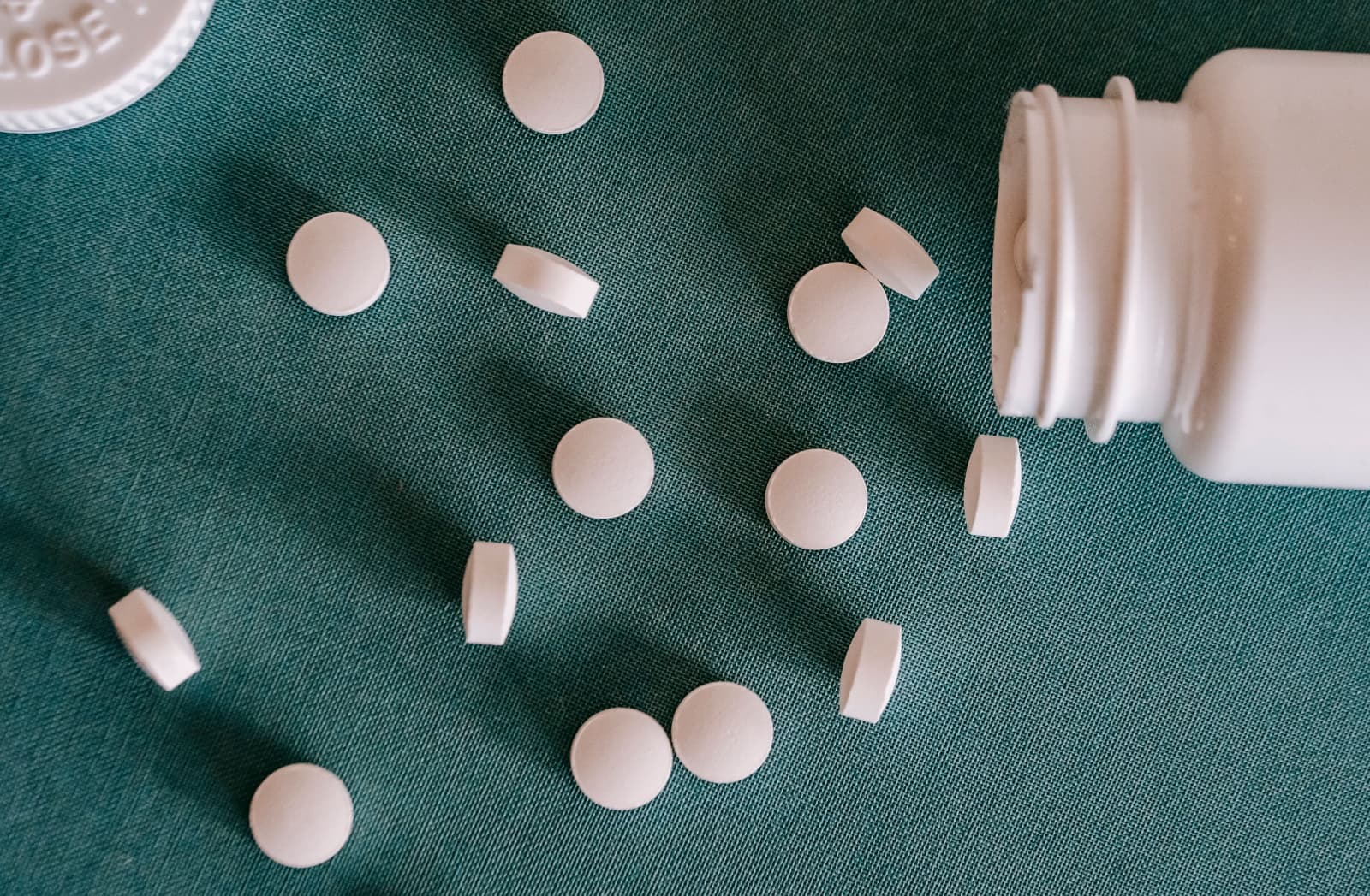
Many believe that aspirin is a reliable protection against blood clots, because it “thinns” the blood. But is it so effective for thrombosis? Russian phlebologist Maxim Abasov told whether aspirin can help with thrombosis, writes sb.by.
According to Maxim Abasov, aspirin protects against blood clots in the arteries, but is practically useless for blood clots in the veins:
Arteries are like highways: blood rushes under pressure. When damaged (for example, a plaque burst), the body "sculpts" a clot from clumping cells - platelets. But aspirin makes them slippery and interferes with bonding, so it really helps with the risk of heart attack and stroke. But the venous clot is built differently: from a protein network (fibrin), which catches blood cells like a web. Aspirin does not act on this network - it prevents only platelets from sticking together.
If with a venous thrombus (for example, after an operation or a long flight, the leg began to hurt and swelled), a person drinks aspirin instead of going to the doctor - he loses time, Maxim Abasov said. Therefore, the clot grows and can come off and get into the lungs. It's deadly.
- With venous blood clots, anticoagulants really help - drugs that interfere with the formation of the protein network of a thrombus, Maxim Abasov noted. But such drugs are prescribed only by a doctor - with an overdose, serious bleeding is possible.
Also, the phlebologist listed the symptoms of venous thrombus: swelling of the leg, pain, redness, a feeling of heaviness. When such symptoms appear, immediately to the doctor, do not self-medicate.
Phlebologist explained what will happen to the veins if you do not treat varicose veins