Accidentally ripped off a mole: does it lead to skin cancer and how to properly provide first aid
Accidental mole injury does not provoke the development of skin cancer and melanoma, contrary to popular myths. Russian oncologist Dmitry Beinusov explained why.

Accidental mole injury does not provoke the development of skin cancer and melanoma, contrary to popular myths. Russian oncologist Dmitry Beinusov explained why damage to the nevus does not harm health, and gave a step-by-step algorithm of actions, what to do at home, if the wound still went blood.

Photo Magnific Damage to a mole doesn't cause cancer? Warnings that moles categorically can not touch, scratch or peel, heard almost everyone. Dmitry Beinusov notes that this fear arose from a methodological error in old medical observations:
- In the past century, doctors have asked patients with confirmed melanoma whether they have damaged this area of skin before. Many answered in the affirmative, from which the scientists falsely concluded that it was the trauma that caused the cancer. However, cause and effect are confused here. In most such cases, the formation was a malignant tumor even before it was accidentally touched. The tumor in the later stages often itches, becomes inflamed, increases in size and bleeds, which is why a person inevitably injures it with clothes or nails in everyday life.
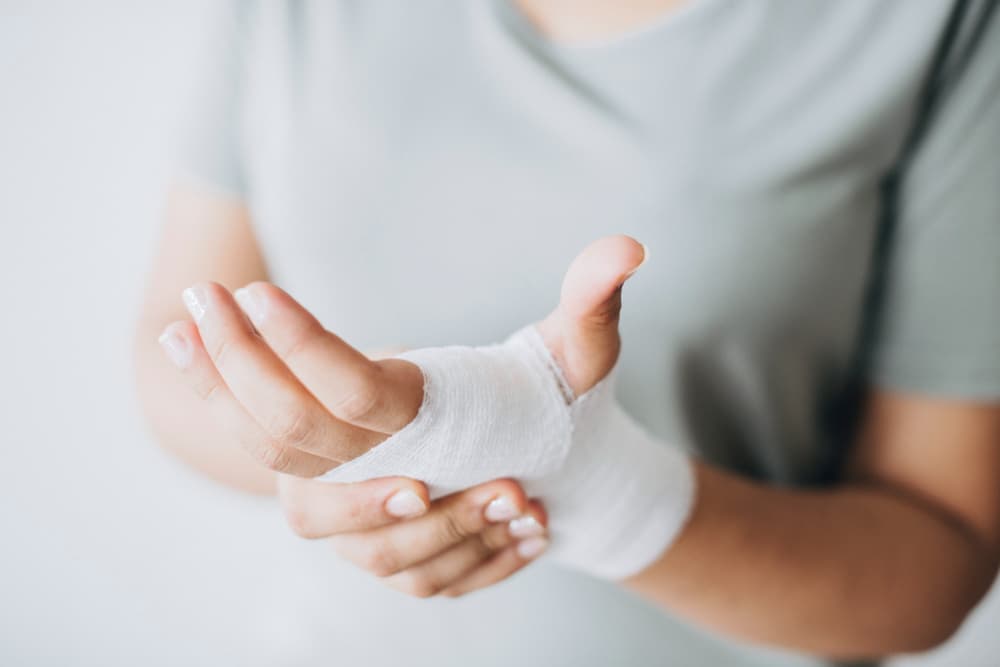
Modern long-term observations, which lasted from 5 to 20 years, completely refuted the old hypothesis. Experts closely monitored the condition of the skin of patients whose moles for various reasons were not completely removed, which actually equated to a deep tissue injury. No studies have documented an increased risk of developing a malignant tumor in these areas compared to any other skin area. If the nevus was accidentally damaged, scratched or torn, Dmitry Beinusov advises not to panic and conduct standard hygienic procedures. The step-by-step algorithm of actions in this situation fully coincides with the rules for processing an ordinary domestic wound:
1. Tightly press a clean cotton pad or gauze napkin to the site of damage and hold it until the blood stops completely.
2. Treat the site with a standard pharmacy antiseptic that does not contain alcohol (for example, chlorhexidine or miramistine). This will help to avoid chemical burn of damaged tissues.
3. Cover the treated wound with a clean bactericidal patch to prevent bacteria from entering.
4. The very fact of damage to the nevus is not a reason for an emergency call for an ambulance. However, if you have never previously shown this education to a specialized specialist, the expert advises you to undergo a planned examination to make sure that it is benign.