How the love of history led Stepan Burshtyn to create a museum and an amber cross
Brigadier-fieldman from the Maloritsk agro-town of Mokrany in his house revived the history and created a “solar” room, in which admission is only a select few. In...
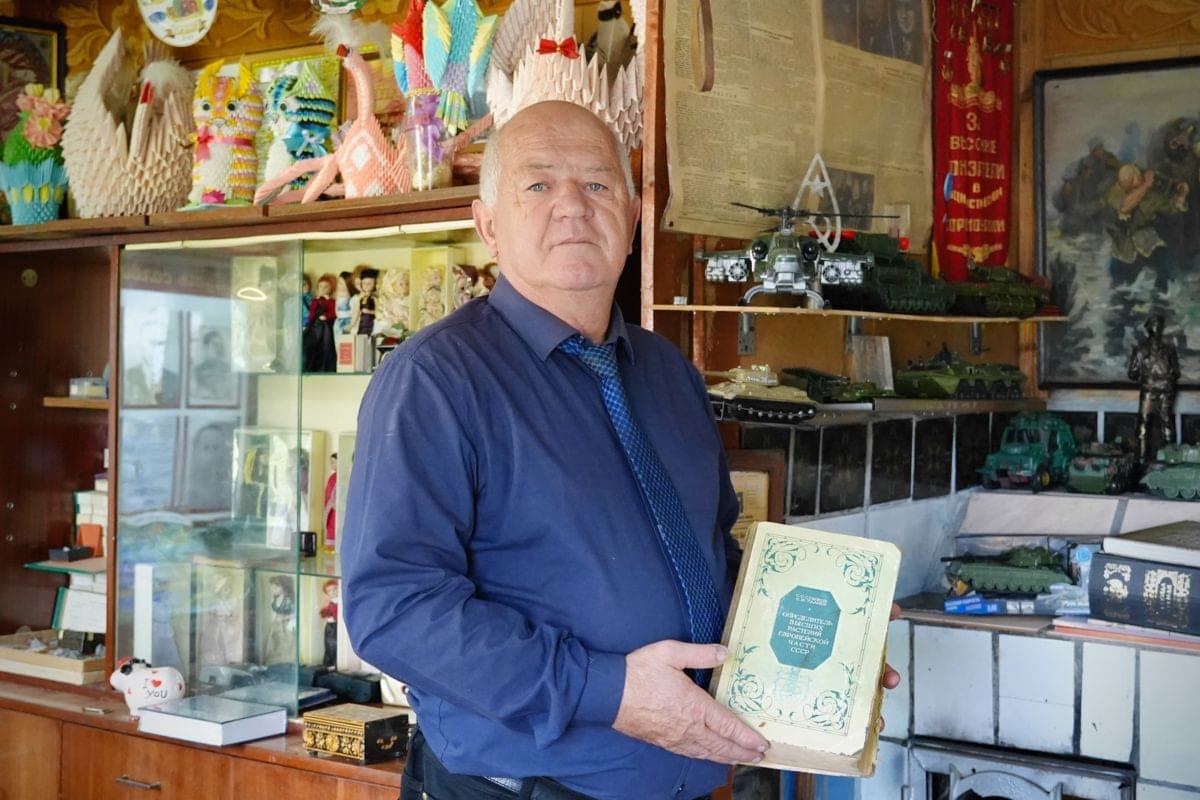
Brigadier-fieldman from the Maloritsk agro-town of Mokrany in his house revived the history and created a “solar” room, in which admission is only a select few.
In the agro-town of Mokrany, Maloritsky district, there is a house from which it is impossible to leave without vivid impressions. On the second floor of his home, Stepan Burshtyn, a local farm worker, crop foreman of Mokrany OJSC, created a curious museum that amazes with its scale, warmth and sincere love of history. There are no guides, no ticket office, no official signs - but there is a person who is in love with his native land. He dedicated his amazing collection to him.
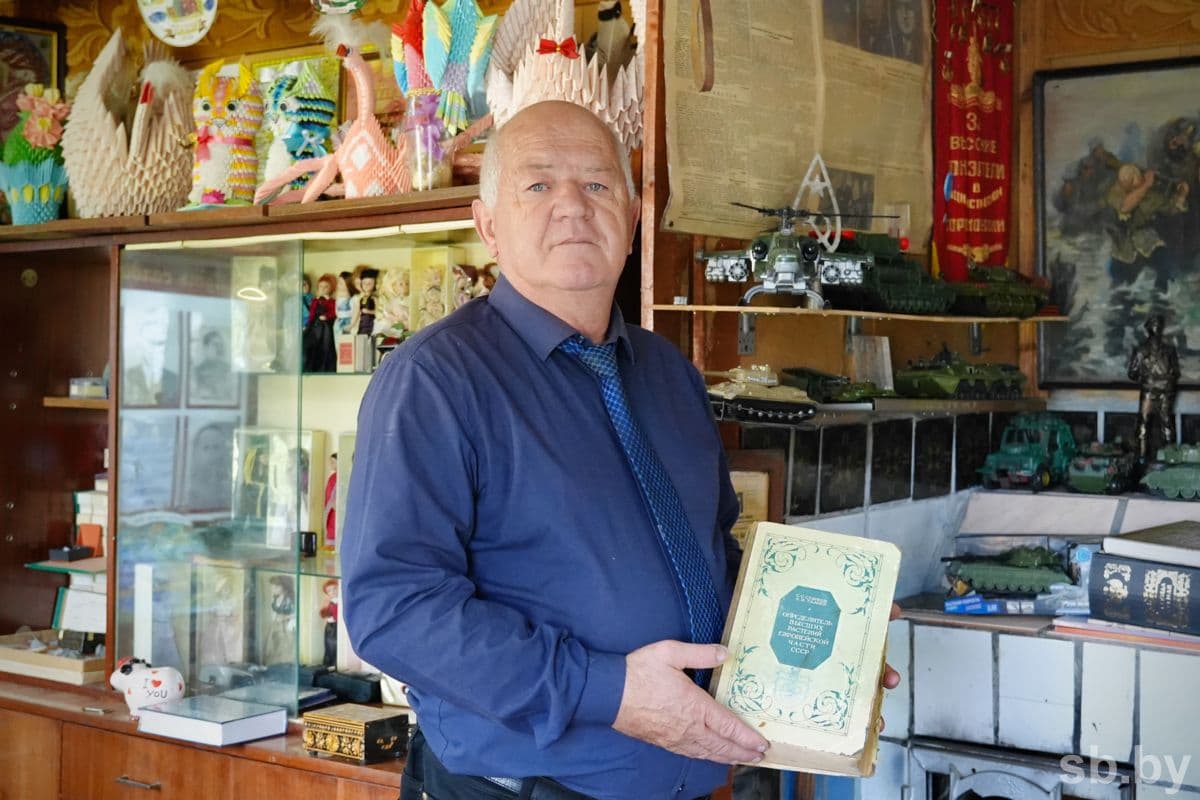
The history of the museum began about 20 years ago - casually and almost jokingly. During a friendly meeting, the head of the border outpost offered to arrange a rest room “in the style of nostalgia for the Soviet Union” and left Stepan Konstantinovich his cap and kitten.
- And it all started with that. Gradually, coins, pennants, books, badges, gifts from friends and acquaintances were added to the first exhibits. Then the idea was born to divide the museum into thematic parts, says the collector.
The museum only has four parts. The first is the biggest. It begins with the family story "The Way of the Soldier." The owner of the house carefully preserves the awards and documents of the father. At the same time, guests turn to the history of Brest - a portrait of Prince Radziwill Nicholas Cherny, a story about the Berestey Bible and rare materials about the city. In the same part there is an exposition about the partisan movement of the Maloritsky district with original paintings and documents, as well as a new exhibition "Made in Belarus" - materials about MAZ, MTZ, Amkodor, Gomselmash.
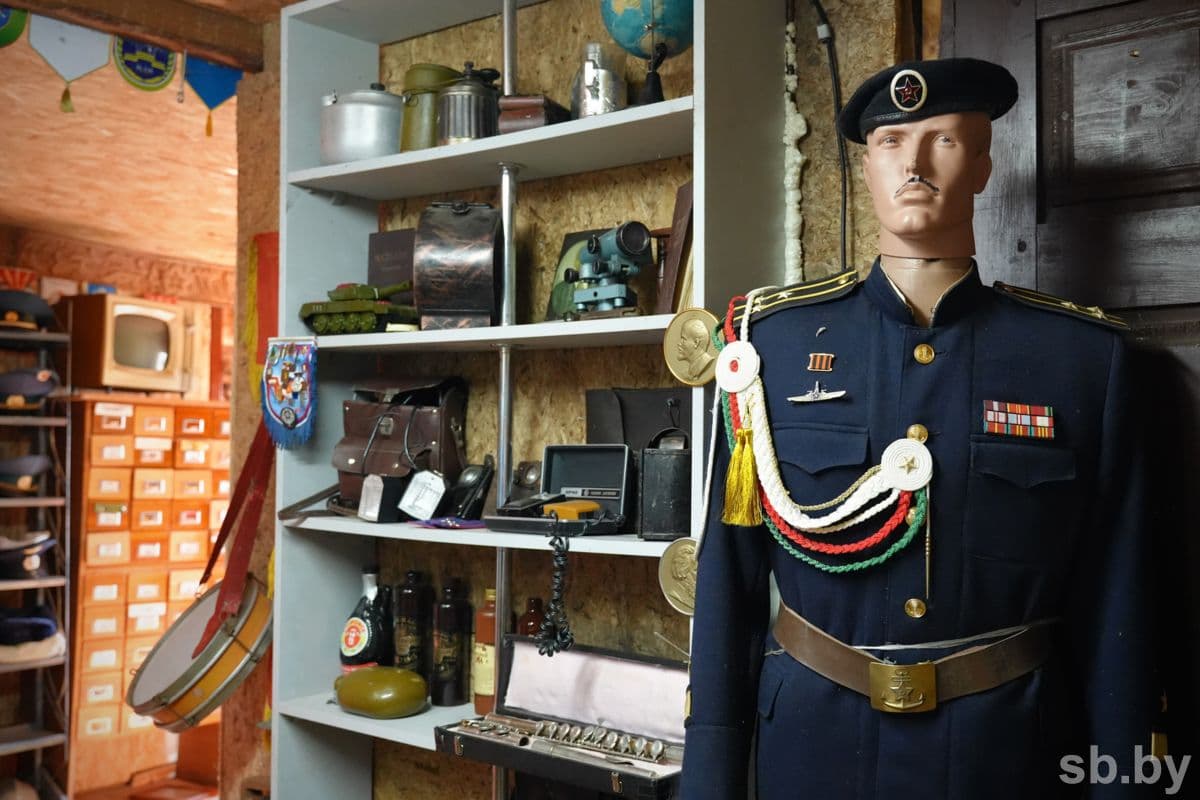
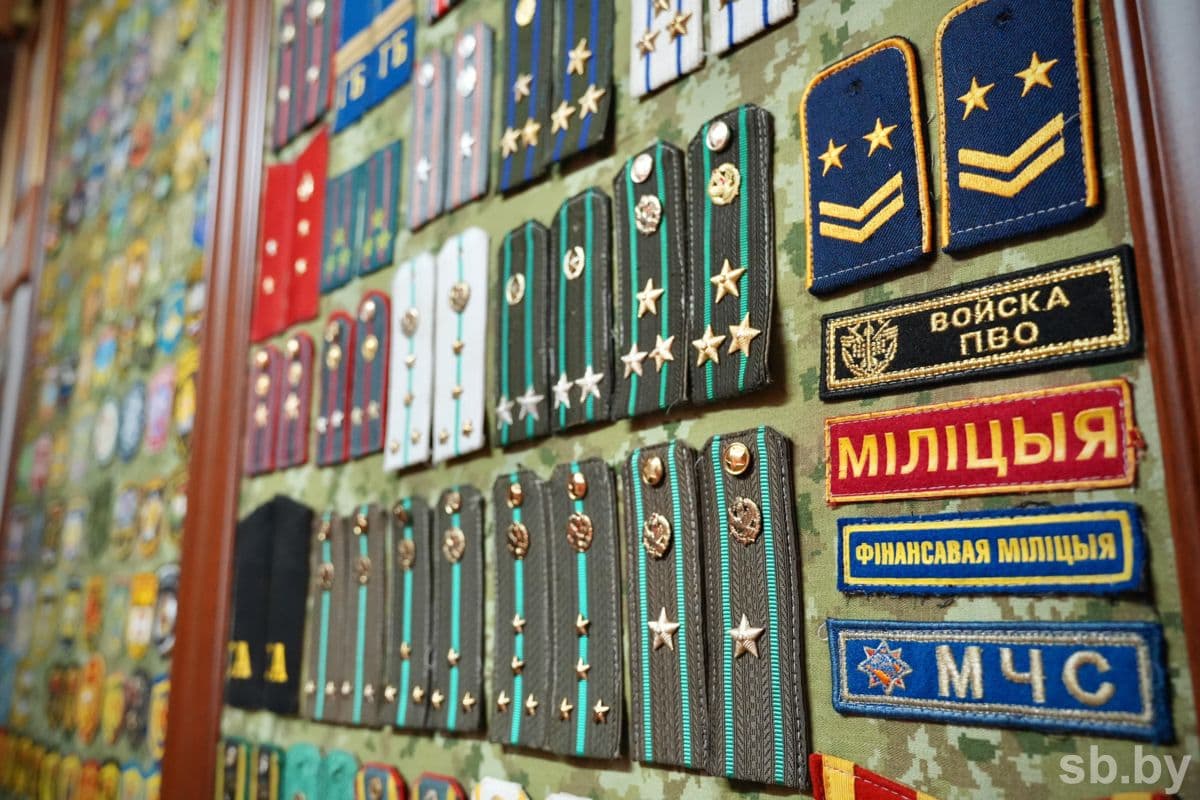
The second part is devoted to the army and military history. There are collections of chevrons, epaulettes, busts of Lenin, Stalin and Kutuzov, the passing banner of the regional party committee with the coats of arms of all 15 Union republics, materials about the submarine "Kursk".
- Children can try on uniforms, caps, caps and other items of clothing. The younger generation absorbs a heroic history, says Stepan Konstantinovich.
In the third part, the paraphernalia of the border troops are collected: shelving with hats of different types of troops, visors, elements of form, belts, insignia, a border post with the coat of arms of the USSR, as well as household items and services that convey the atmosphere of the outpost of those years.
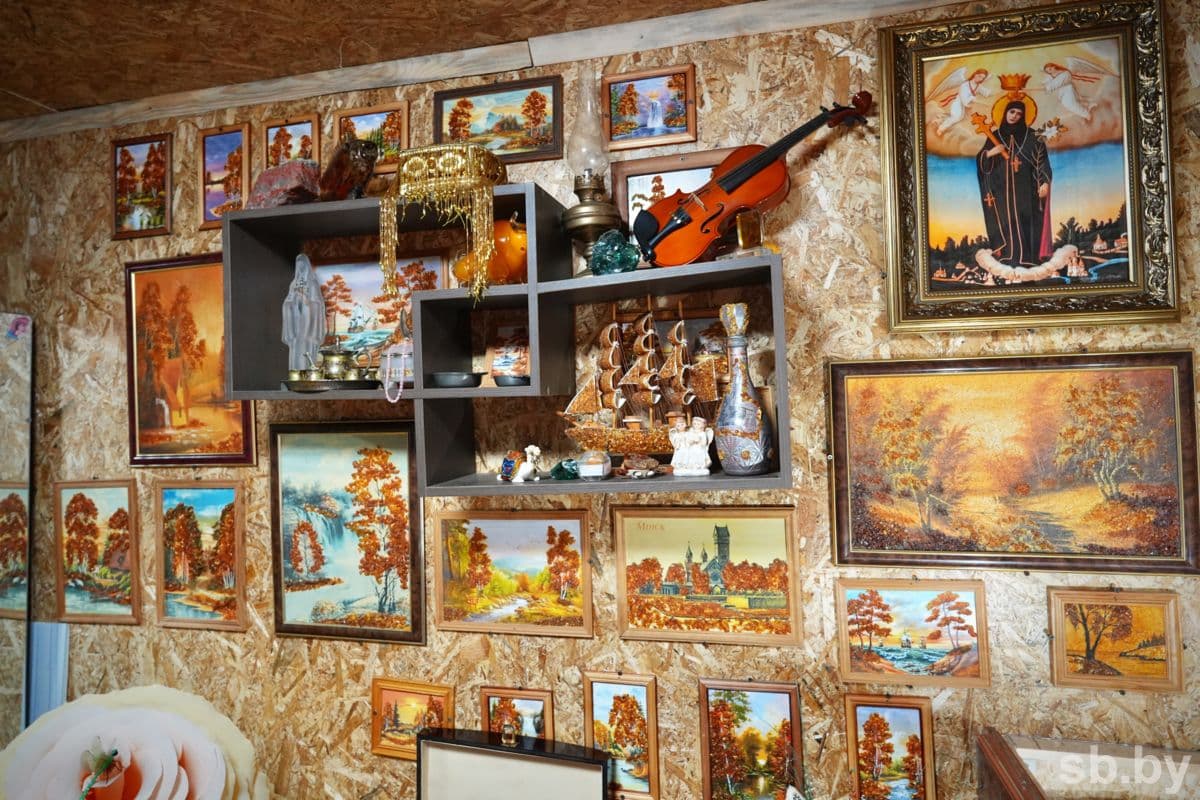
These three rooms are open to all visitors. The museum has long been a place of attraction: children, adults, tourists from different countries come here - everyone finds something of their own. But there is a part that is not open to everyone. The fourth room is amber. This is a closed room, which Stepan Konstantinovich shows only to his family, friends and those who are sincerely interested in history and art.
The history of the cross began in 2010, when Stepan’s friend, history teacher Nikolai Balitsevich, gave him an excursion to Polotsk. There, in the Spaso-Euphrosinievsky monastery, Stepan first saw the cross of Euphrosyne of Polotsk – and was amazed by its beauty. That same night he could not sleep, imagining what this cross might have been in amber.
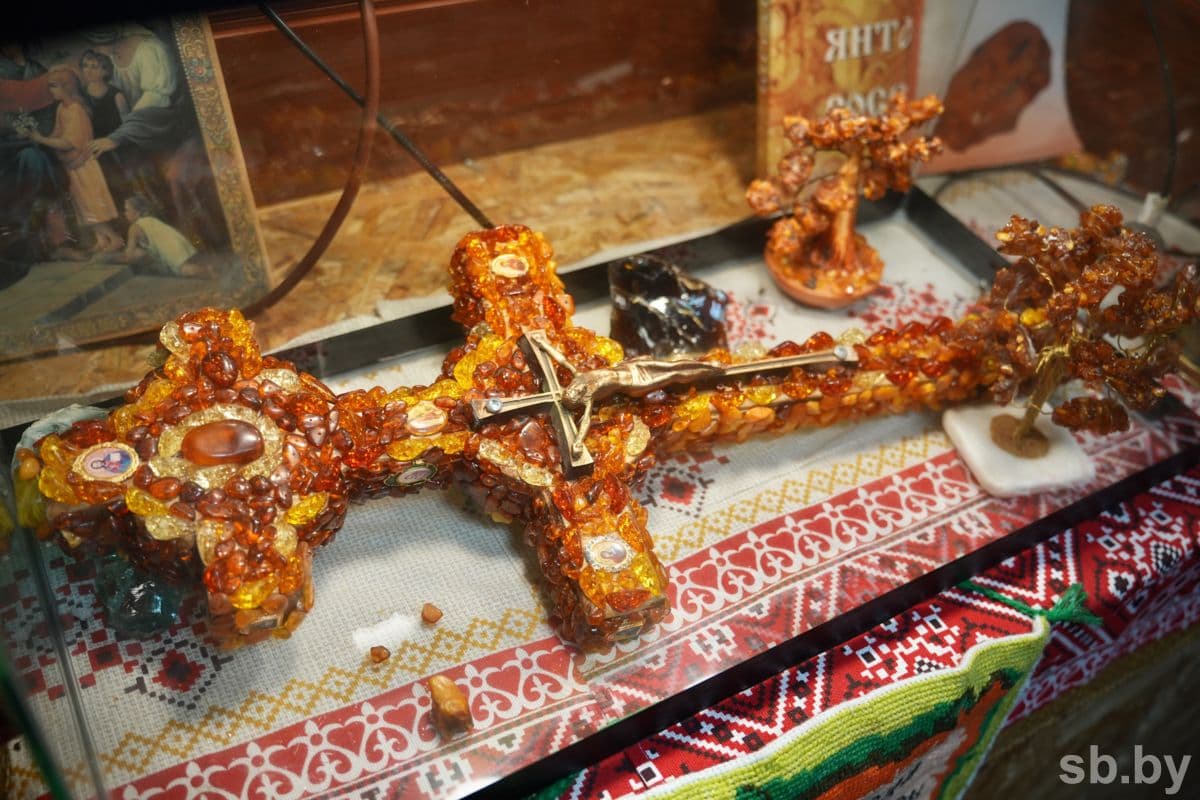
- When I got home, I told my Russian cousins about my dream. They hooked up friends and acquaintances - and soon I had a whole box of amber. I went through stones, looked for beads with a flat side, picked up shades. I started all over again several times until I found the combination that sounded. I received a blessing from Father Alexander Goncharov, who connected me with Mother Evdokia from the monastery. My mother said, “We will pray that you will succeed.” And on my birthday, five years ago, I made half a cross in one night, after a vision that seemed to lead me by the hand. The rest was completed gradually, selecting amber and details so that everything sounded together, says the master.
The cross is made strictly in size of the original - 52 centimeters. The base is an oak without fibers, so that it is strong and durable. The inserts are amber of different kinds. In the center are medallions bought in a church shop and a crucifix given by friends many years ago. Stepan Burshtyn plans to consecrate the cross in Polotsk and leave it in the monastery, so that it will please people who come there with faith and hope.
For Stepan Konstantinovich, amber is not just a beautiful material. His name translates exactly that. This stone has always been more than a souvenir or decoration. Amber is also associated with family memory.
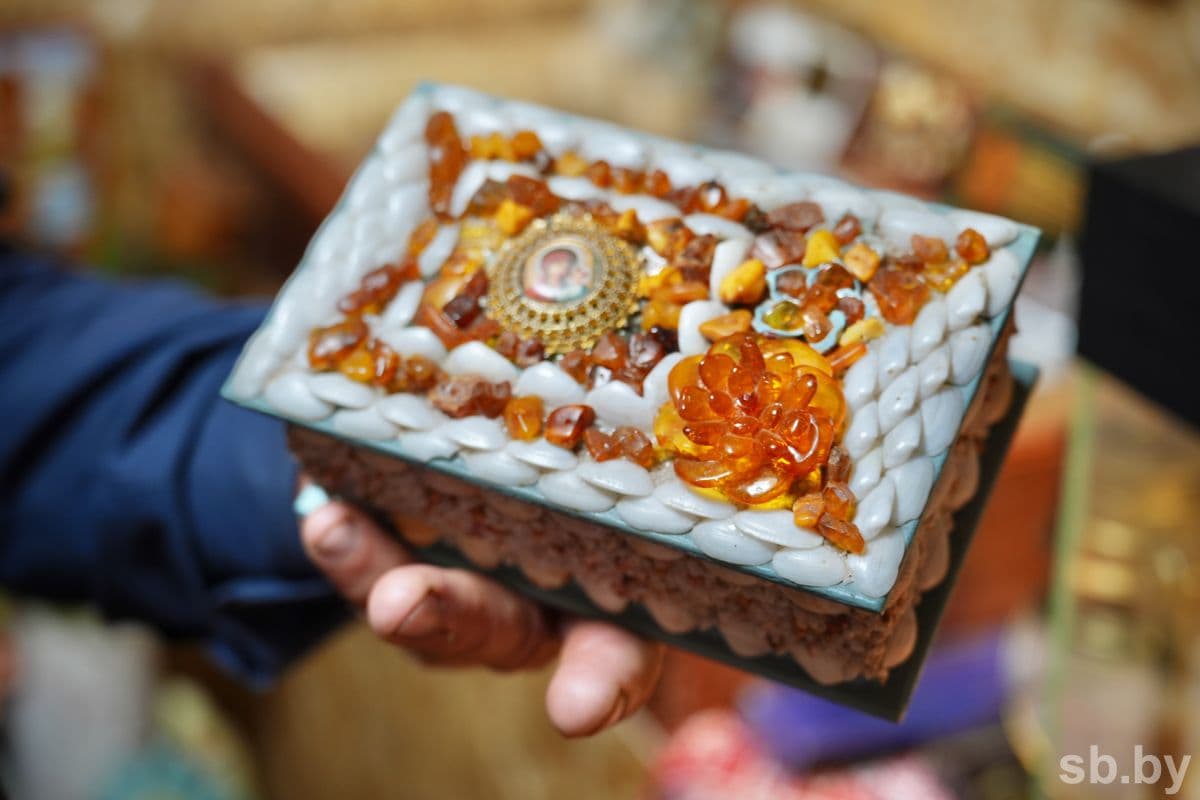
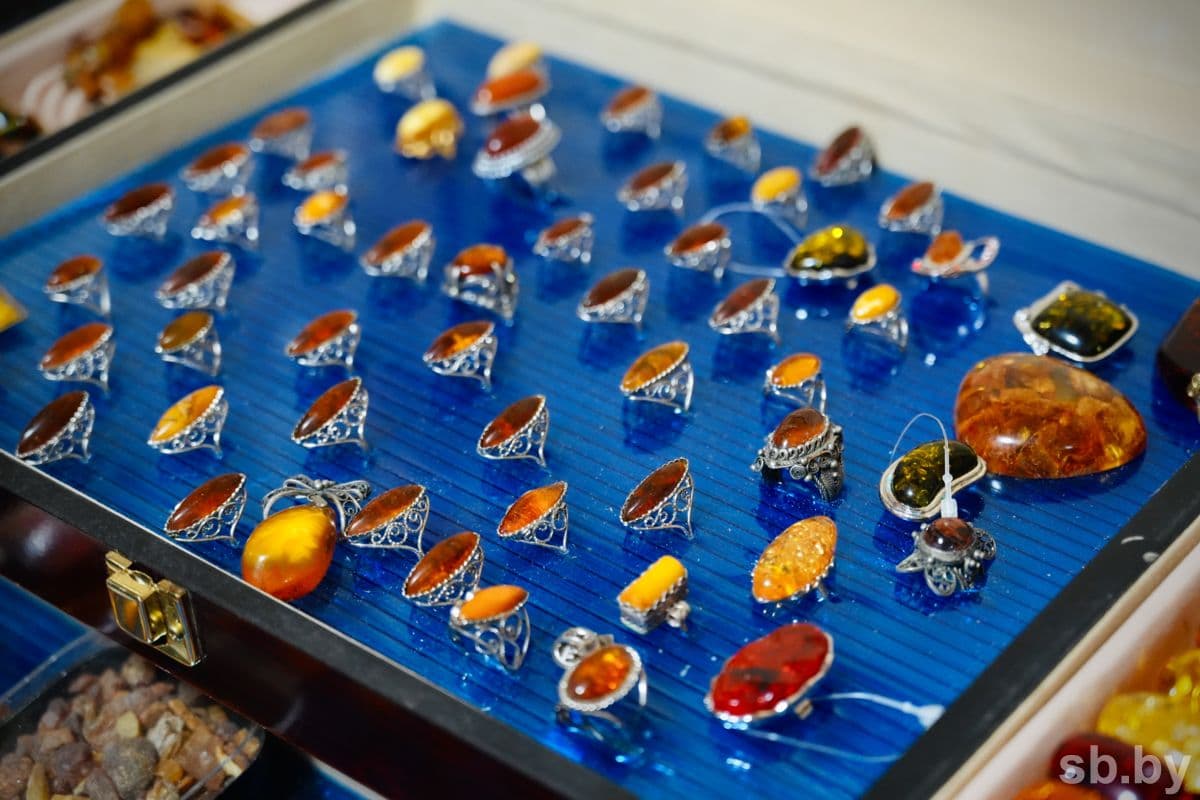
- My uncle died on the Baltic coast during the liberation of Kaliningrad. Friends who live there began to send me amber as a memory of it. They sent products, small panels, collected stones on the beach. So gradually there was a collection in which there are different types of amber: imperial, bloody, therapeutic yellow, as well as rare pieces with inclusions of insects and other species, he shares.
In addition to the cross, there are other works in the amber room that Stepan Burshtyn has been collecting for years. Among them is a large amber owl, a symbol of knowledge and teaching brought from Kaliningrad; a sailboat handed over by friends; dozens of brooches, rings and figurines, each object with its own history. There are rare pieces of amber with inclusions - insects, plant fragments, small particles frozen inside the stone. In a small chest with secret compartments, he keeps a collection of ancient rings and jewelry, and on the shelf there is an amber drink infused with stone. All these things create an atmosphere of warm light and silence - the same one that the owner himself calls the "healing air of the amber room.".
Stepan Burshtyn does not call himself a collector, and considers his museum a personal history. His main joy is brought by the astonished eyes of guests, especially children, who learn about how they lived here, what other generations dreamed of, who have done a lot for modern prosperous Belarus.
protasevich@sb.by