Former gang leader gets tough sentence for murder of legendary Tupac Shakur
Dwayne "Keefe Dee" Davis, a former California gang leader convicted of killing rapper Tupac Shakur in 1996, has been sentenced to 40 years to life in prison
For three years I’ve heard you repeat the same words in different variations... Yes, I was involved in it. But I'm different. I'm moving on. I left Compton. I'm a grandfather now, Judge Carly Kearney said Tuesday, announcing the verdict.
“You cannot take a man from his family. You can't take away his whole life, his whole future and just walk away from it.
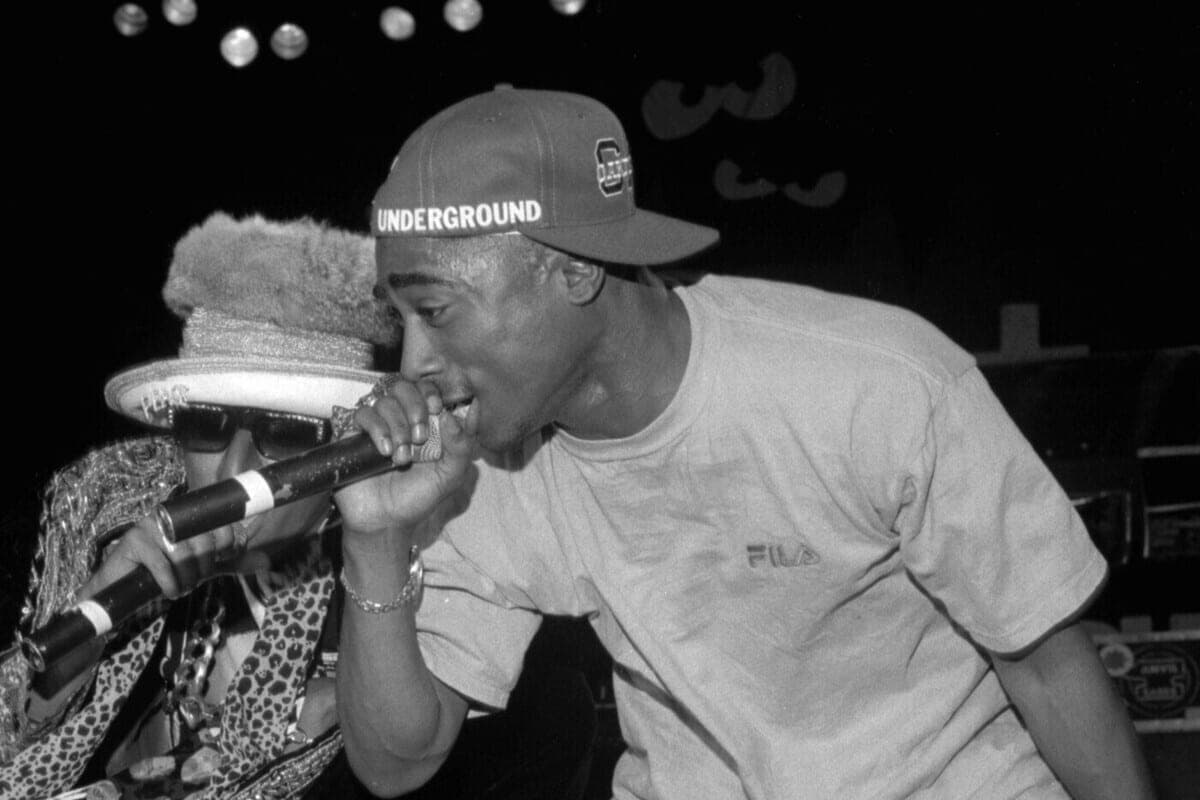
On September 7, 1996, rapper Tupac Shakur was shot near the Las Vegas Strip shortly after a boxing match with Mike Tyson. A few days later, he died of his injuries.
For decades, his murder went unsolved and remained one of hip-hop’s most enigmatic mysteries. Davis is the only person to have been convicted in connection with Shakur's murder.
“It was hard to sit and listen to someone over and over again, step by step, describe how they hunted Tupac Amara Shakur,” said the rapper’s sister, Sekiwa Shakur, minutes before the sentencing.
The grief caused by her brother's murder led to Sekiva Shakur being hospitalized several times with depression, suicidal thoughts and post-traumatic stress disorder, she said.
She and the rapper's half-brother Maurice Shakur urged Davis to suffer the maximum penalty.
“It’s time to sit down and think about what you’ve done to the world, not just me,” Shakur said.
Davis stared at him intently, but as his relatives spoke, he held firm. Earlier during the hearing, he vowed to appeal the case, recalls The Guardian.
The investigation was hampered by several factors. Due to the "code of silence" adopted in the street environment, some witnesses refused to cooperate with the police. Las Vegas police were skeptical of the findings of their Compton colleagues, given that Shakur's record label security chief was a former Compton cop.
Orlando Anderson, a gangster and nephew of Davis, has come under the radar of law enforcement as a possible shooter. On the night of Shakur's murder, the young rap star had a falling out with Anderson. Las Vegas police questioned Anderson, but he was never arrested. In 1998, Anderson died.
But then, in 2023, Davis was arrested on murder charges.
The breakthrough was led by Davis' own media tour, in which he touted his status as one of the last surviving witnesses, as well as a memoir published in 2019.
Davis felt braver after a secret deal he brokered with police in 2008. He spoke candidly about the shooting of Shakur to investigators who were actually looking for information about the death of Christopher Wallace, known as Biggie Smalls. Under the proposed settlement, Davis should not have been charged with any crimes he was involved in.
In his memoir, The Legend of Compton Street, Davis wrote that he and a group of others attacked Shakur and his entourage, seeking retribution for a fight with his nephew. Memoirs and interviews became central to the case. Prosecutors argued that the details were equated with a confession and that his public remarks annulled the transfer agreement. During Davis' murder trial, his defense team claimed those details were embellished. During the trial, they also argued that there was no physical evidence, such as the murder weapon, that linked Davis to the Las Vegas murder. In the end, the jury sided with the state, writes The Guardian.