
Director of RSPC: Belarus demonstrates high results in the field of pediatric oncohematology
Belarus demonstrates high results in the field of pediatric oncohematology and is ready to share experience with colleagues from other countries. This was stated by the Director ...
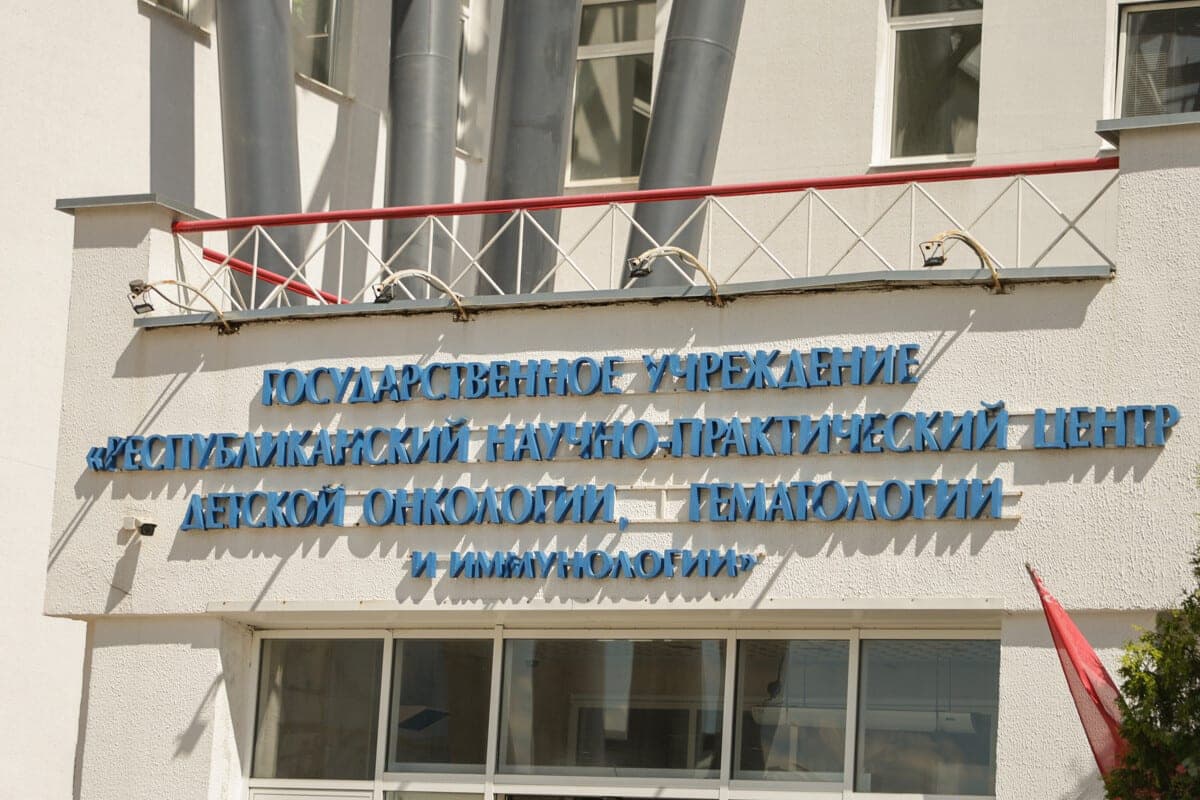
Belarus demonstrates high results in the field of pediatric oncohematology and is ready to share experience with colleagues from other countries. This was stated by Angelika Solntseva, Director of the Republican Scientific and Practical Center for Pediatric Oncology, Hematology and Immunology, on the sidelines of the world summit “Investing in the welfare of children: the path to sustainable and equitable development for the sake of future generations” in Samarkand (Uzbekistan).
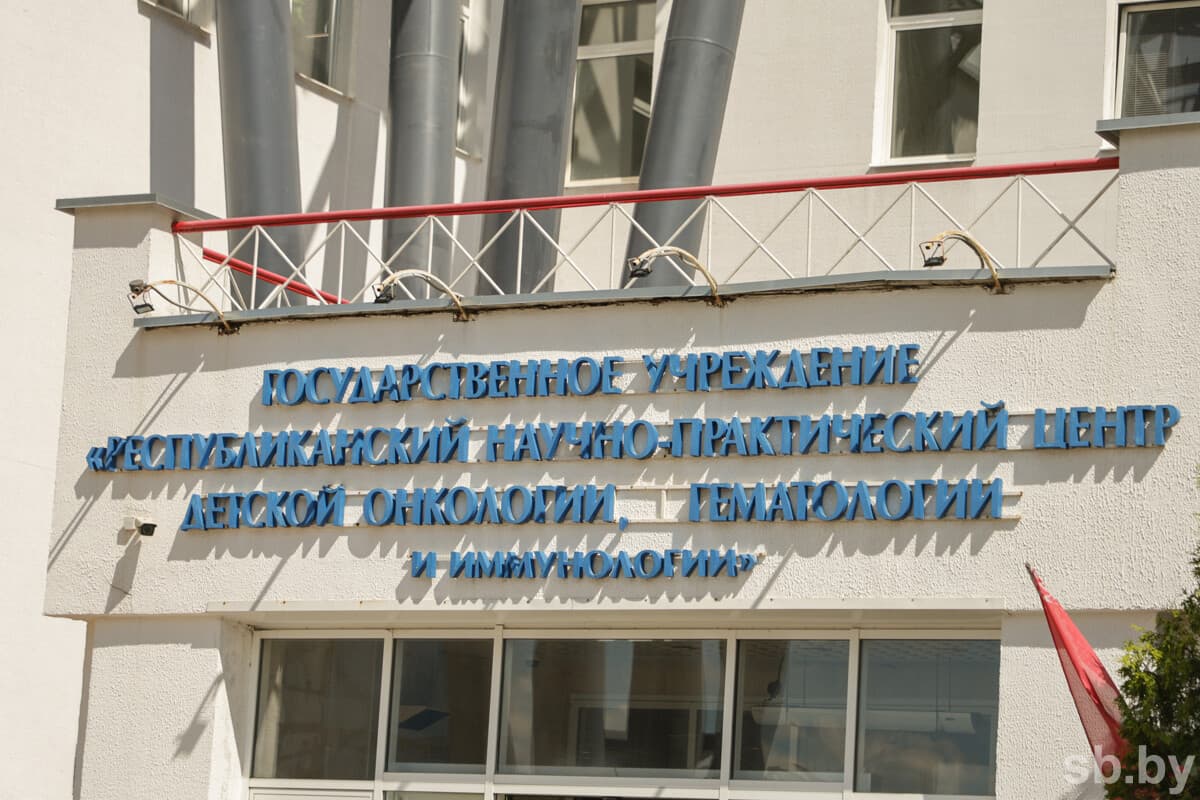
Angelica Solntseva noted:
Speaking about pediatric oncology, it is necessary to say that the actual relevance is due primarily to the fact that, returning the lives of children, we give our state and economy people with an active life position who will have more than 50 years of active life and benefit our state.
She also noted that the RSPC has something to tell and share with foreign colleagues.
The director of the center gave statistical data confirming the leading positions of Belarusian medicine. “To date, our center ranks seventh in the world ranking on the childhood cancer survival index of the most common childhood cancer – acute lymphoblastic leukemia,” she said.
According to Angelika Solntseva, the total five-year survival rate of children is more than 85%, and for a number of nosologies (for example, with acute lymphoblastic leukemia), this figure exceeds 90%.
The RSPC is actively developing new directions and innovative technologies. We are now actively implementing and developing the method of CAR-T therapy, DNA vaccination. We are working on the creation of various cell models for new types of CAR-T-therapy receptors. Moreover, these products can be used not only in the field of pediatric oncohematology, but also in other diseases, for example, systemic lupus erythematosus, the head of the center said.
She noted that she wants to see how the process of training doctors in Uzbekistan, as well as how hospital schools work. “We are now talking not only about the curability of patients, but also about quality of life. It implies any environment, including social, said Angelica Solntseva.
Ministry of Health: Belarus ready to share comprehensive technologies in maternal and child protection


