How is technology changing medicine? Discussed in the talk show “Alone with Borovik”
Belarusian surgeons conducted a unique remote operation: the doctor was in Minsk, and the patient was in Borovlyany, in the oncology center. The way high...
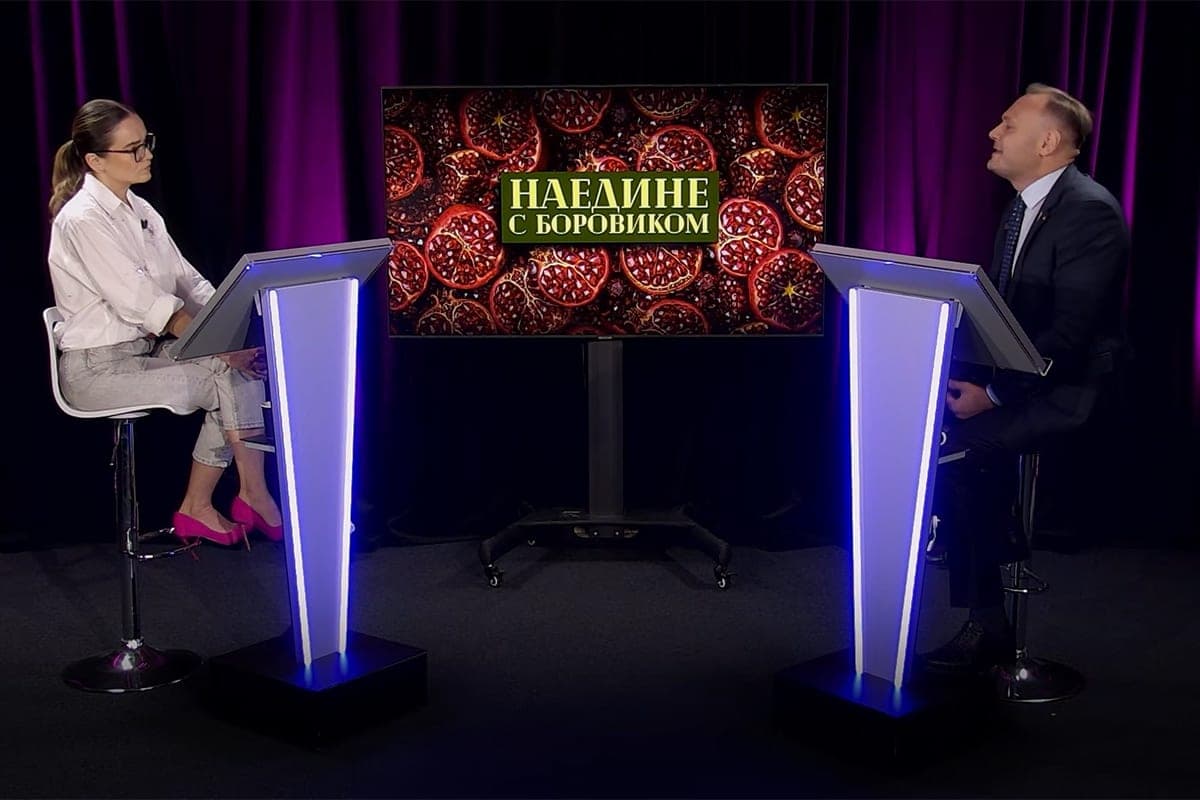
Belarusian surgeons conducted a unique remote operation: the doctor was in Minsk, and the patient was in Borovlyany, in the oncology center. How high technologies are changing medicine was discussed by Polina Konoga, a political columnist for SB Belarus Today, and political scientist Vadim Borovik on the air of the program “Alone with Borovik” on SBTV, writes sb.by.
Vadim Borovik stressed that we are talking about a specific practical sphere of application of high technologies:
The doctor is attached to a certain health care institution, he can not be constantly on business trips. If we implement remote operations—equipment, video surveillance, and a mechanical hand that can work precisely—we have very high-precision equipment of a new type that can perform operations to millimeter precision. Now there is information that the operation was successful, but oncology gives relapses. Let's believe that the person will be fine. This is important, among other things, so that even if there is a certain shortage of narrowly specialized specialists – and it exists all over the world, not only in Belarus – we can conduct these operations more often, more efficiently and in different regional centers. It is clear that such equipment will not be installed in every small settlement, but if each regional hospital or large medical center will have such equipment that will allow the use of highly specialized doctors, this is very important.
According to him, in China and a number of other countries already practice remote initial consultations:
- Especially when there are no acute symptoms. The person feels unwell, but so far there is no indication to urgently go to the doctor. By video, you can connect sensors to the computer, transmit data. It saves time and money. I think we'll come to that, too. Lines will be shortened. The clinic will go to someone who really hurts. Sometimes people are retired, they have more time, they just want to ask. Many questions can be asked remotely. Children can help adults learn how to connect to a computer.
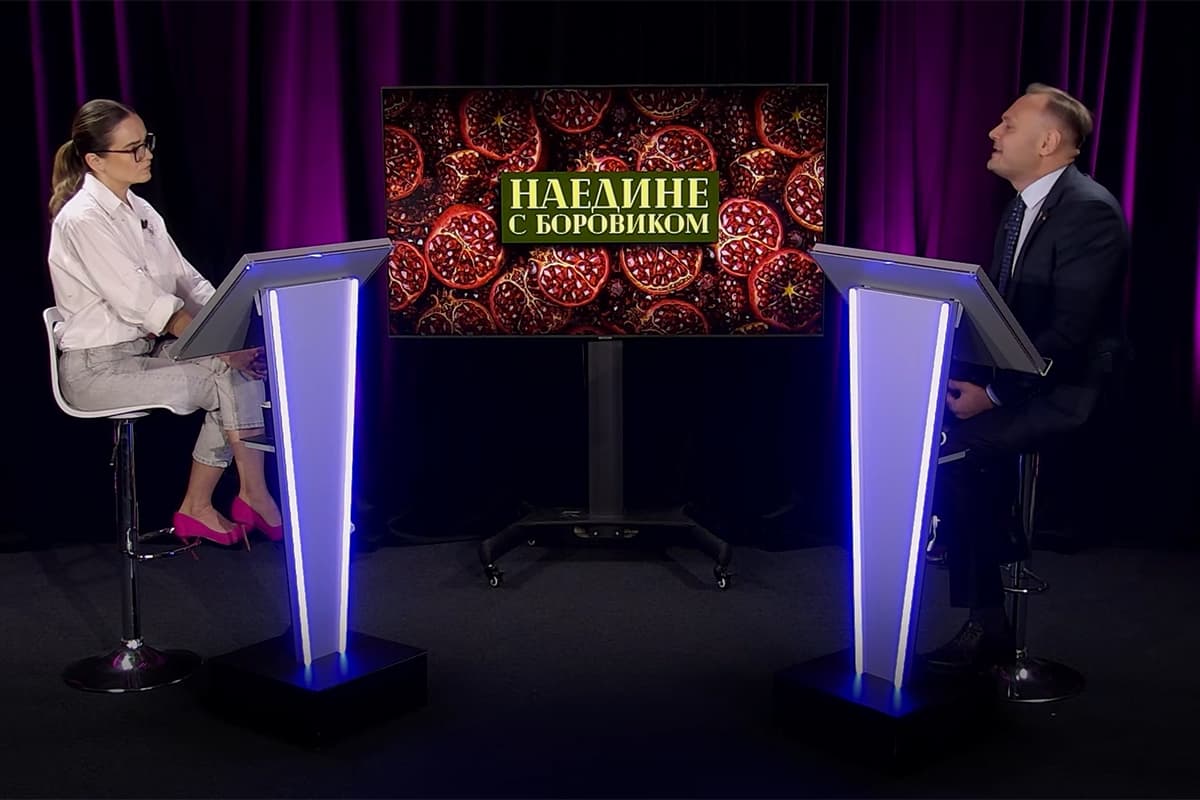
Polina Konoga added that the development of technology is rapid:
- I read that literally in a matter of seconds, without spending a lot of time in queues in the clinic, a drop of blood can get a complete biochemistry and pass tests. That's great. I want to live to see it. Therefore, take time for your health, lead a healthy lifestyle to see all this with your own eyes.
Vadim Borovik noted that modern people live much better than their ancestors:
- Some complain that life has become more difficult. But if some girls look at dresses in movies and say, "Oh, I wish I could live in the nineteenth century," they don't remember that they were treated with mercury. There was no penicillin, any infection could be fatal. Pushkin called his nanny, thirty-year-old, an old woman. Because there were no normal cosmetics, working conditions were tough. People are de facto living much better. There is an abundance of food. You just have to make the right choice. People have more free time. We live much better than our ancestors.