
On the Don, farmers are paid more, but raw materials are still sent to the factories through traders
The agricultural sector of southern Russia is experiencing one of the most difficult periods in recent years
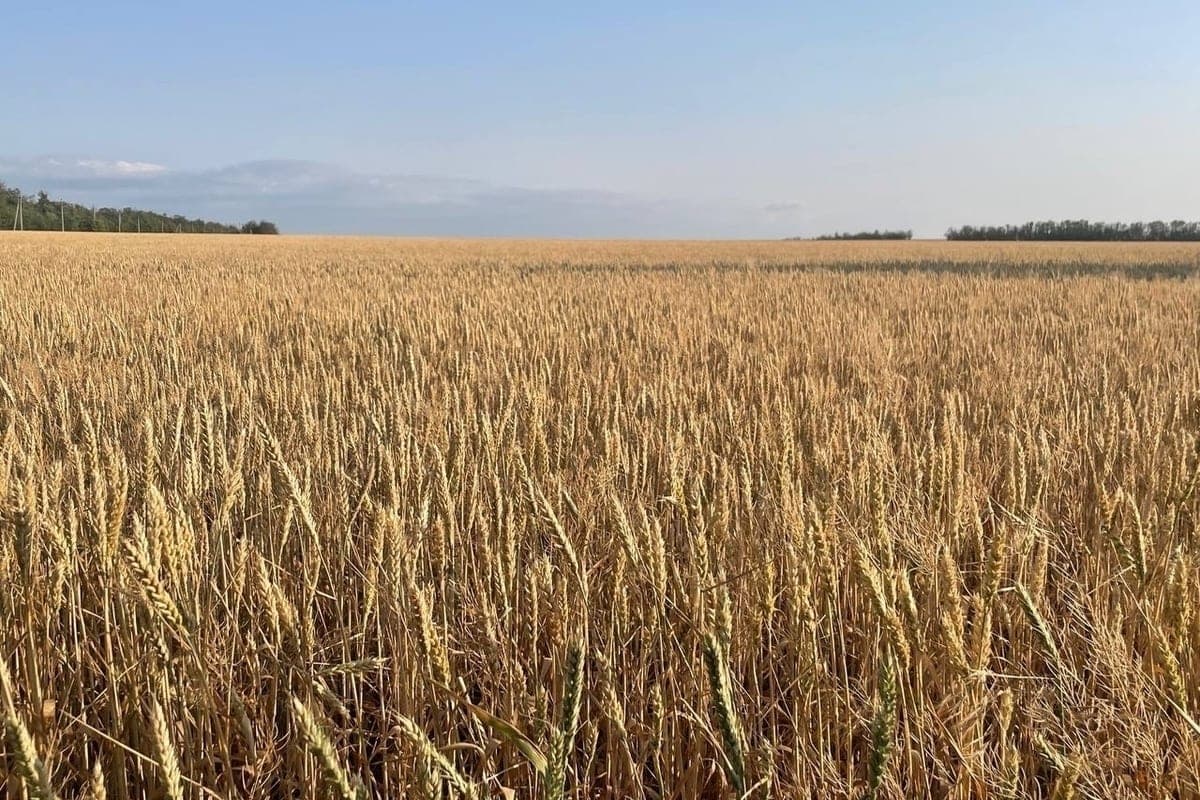
The agricultural sector of southern Russia is experiencing one of the most difficult periods in recent years. Drone attacks, logistical collapse and a collapse in grain prices have pushed farmers to the brink of bankruptcy. Against this background, the problem of difference in purchasing prices was particularly acute: oil refineries of the Rostov region are ready to pay farmers 500 rubles per ton more than traders.
It would seem that such a policy should push farmers to direct supplies to factories. However, according to Dmitry Safontsev, a buyer and wholesaler of grain from the Rostov region, about 80% of products are still processed through intermediaries.
The farmer loses money, the trader works with a lower purchase price, and the oil plant purchases the bulk of raw materials cheaper. The question arises: who is really supported by this pricing policy – producers or processors.
The situation is exacerbated by a record harvest of grain and legumes in the region - 13.6 million tons, which is 5 million tons more than in 2025. Rostov region took first place in Russia in terms of production, but the abundance turned into a problem of sales. The main export channel - the ports of the Azov-Black Sea basin - is blocked due to attacks on logistics infrastructure, and alternative routes through the Caspian and the Baltic are economically unprofitable due to high transport costs.


