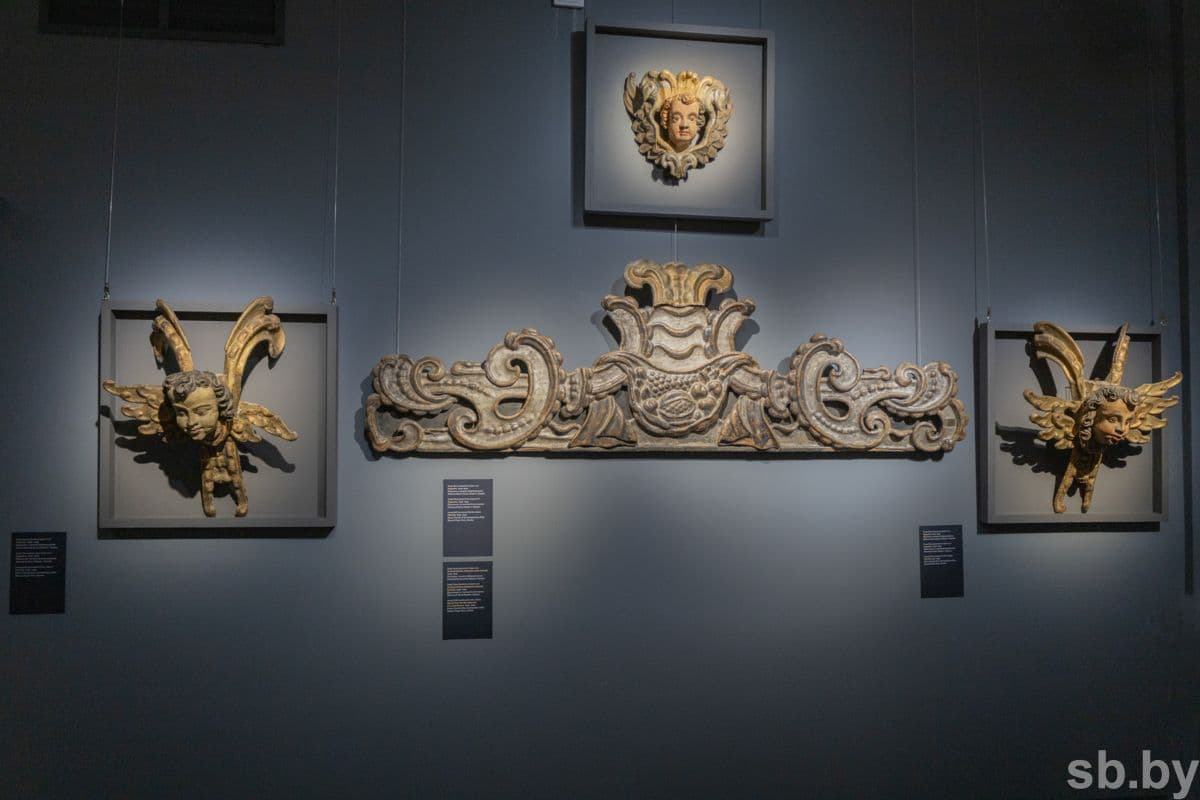
Monuments of Belarusian decorative carvings presented at the National Art Museum
The National Art Museum has opened a temporary exhibition “Belarusian decorative carvings of the XVII-XVIII centuries”. Exhibitions of this kind are held...
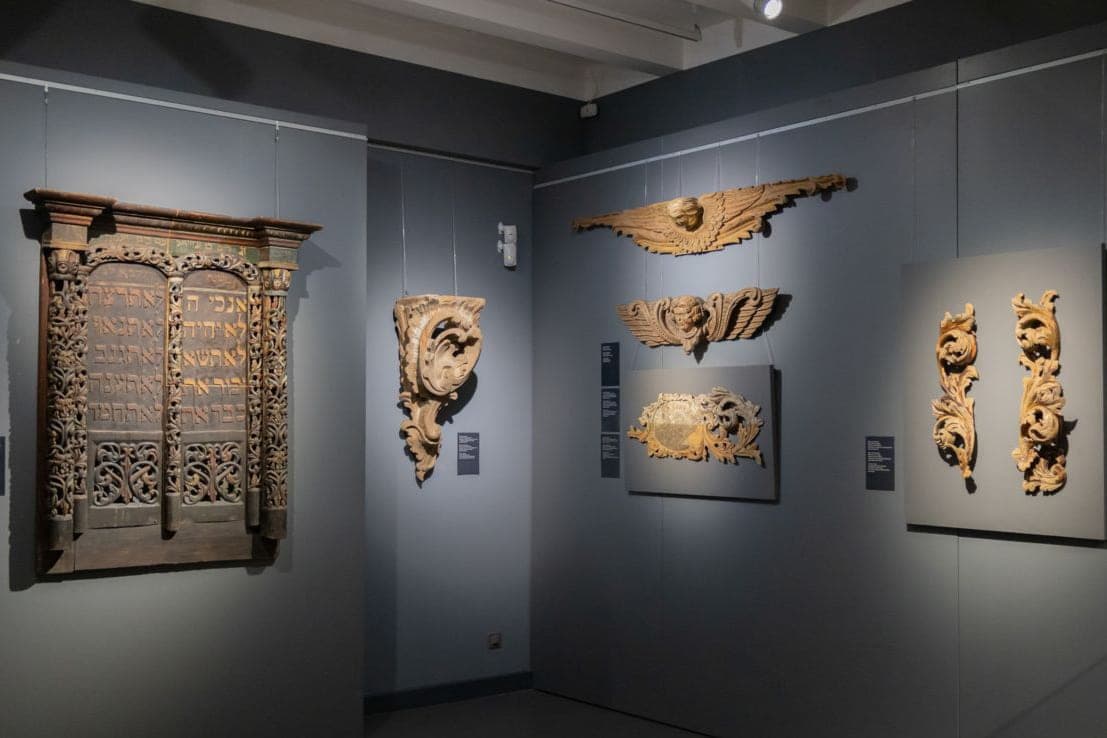
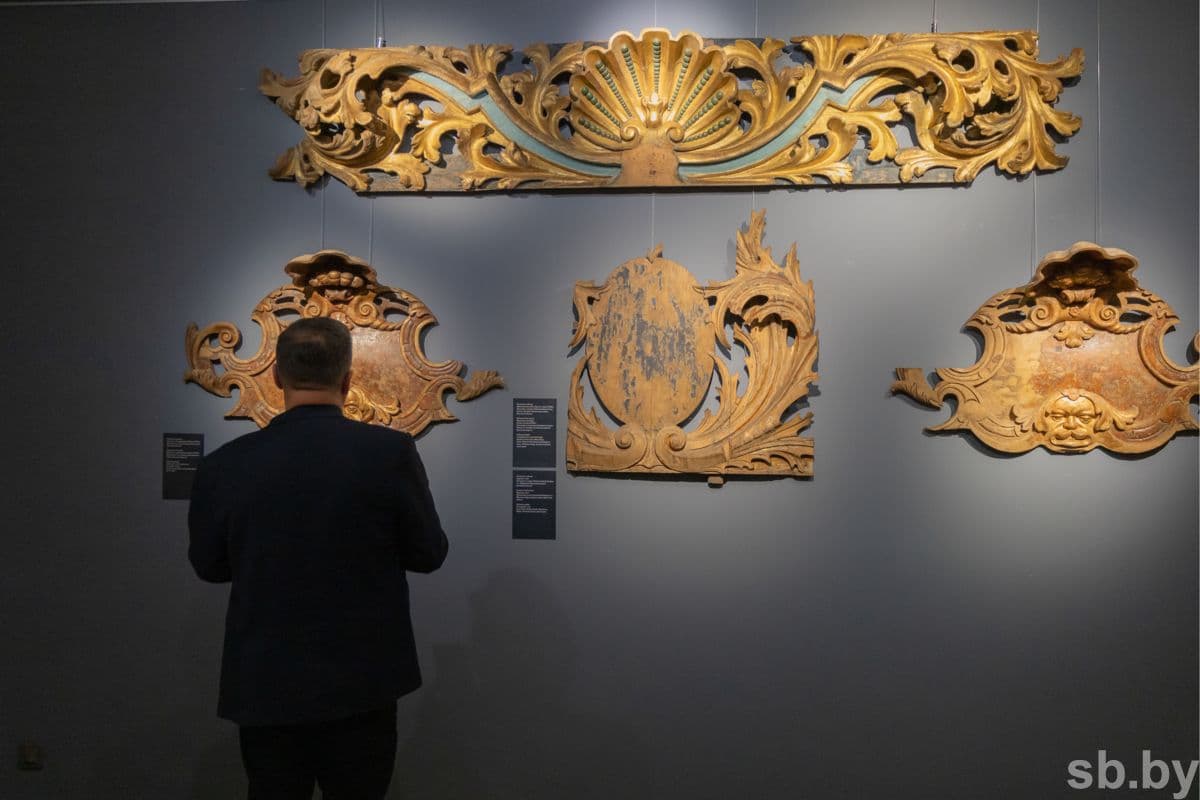
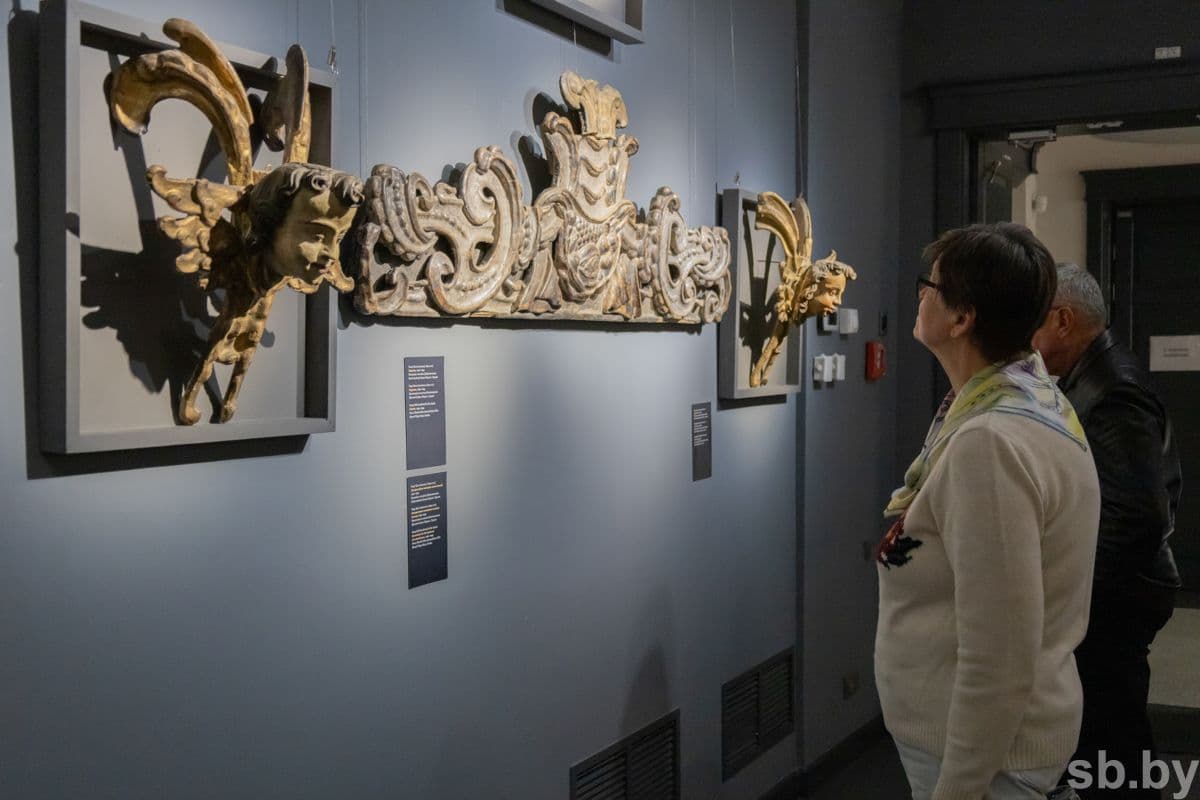
The National Art Museum has opened a temporary exhibition “Belarusian decorative carvings of the XVII-XVIII centuries”. Exhibitions of this kind are held infrequently. It is this, which presents monuments from the collection of the museum, created during the first half of the XVII – the end of the XVIII centuries, became a logical continuation of the exposition, held in 2024 and dedicated to altar sculpture, Orthodox carving. Specially for the new project restored a number of works that viewers will see for the first time, writes sb.by.
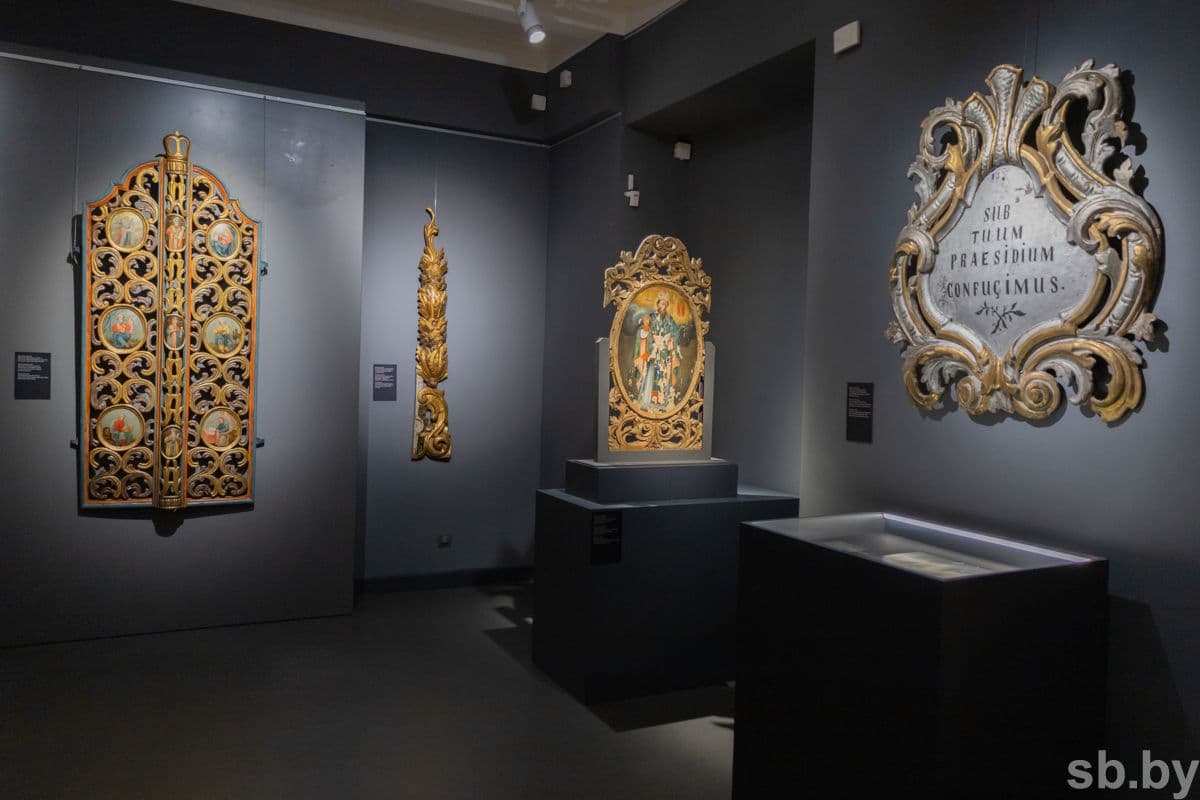
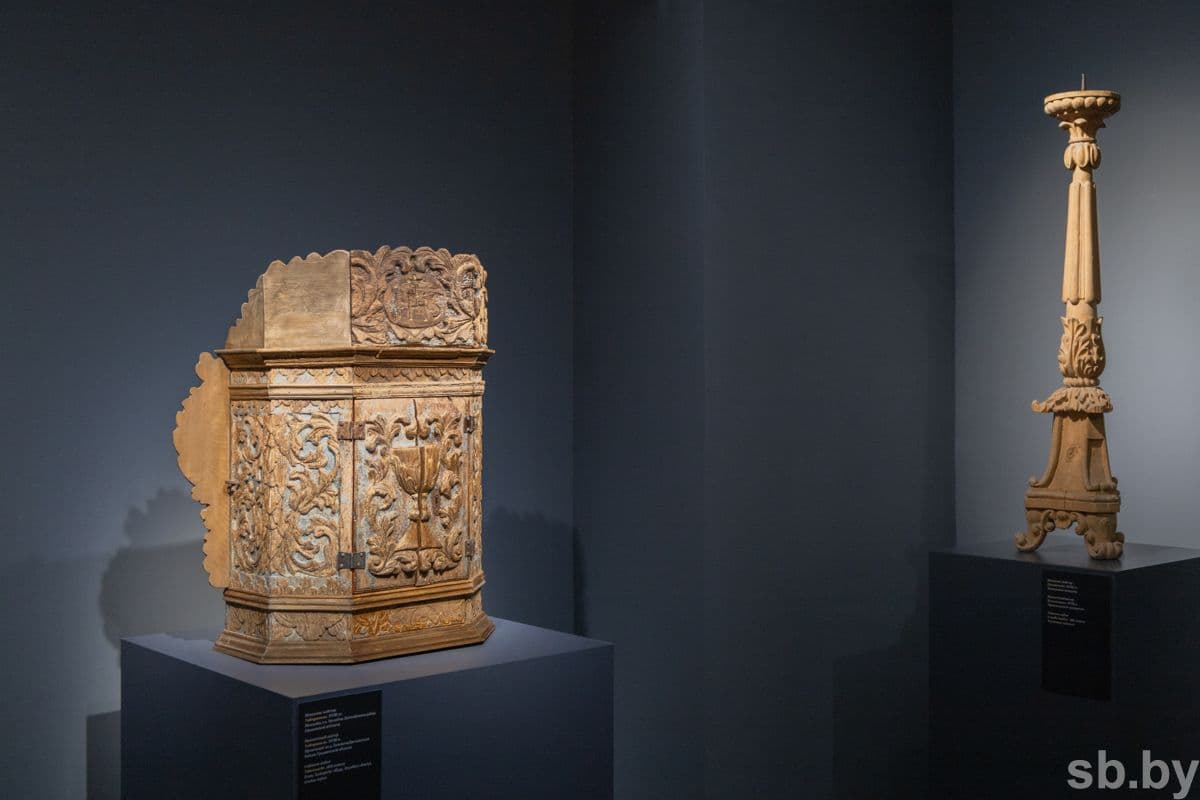
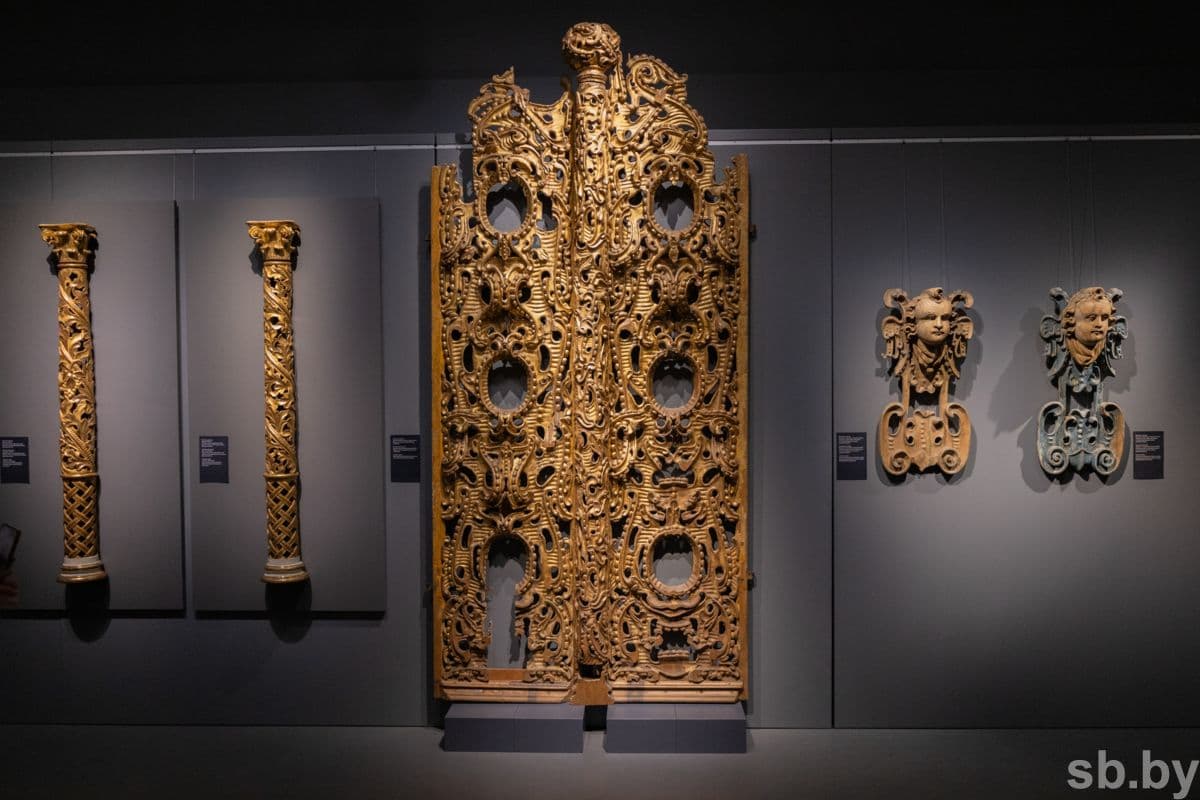
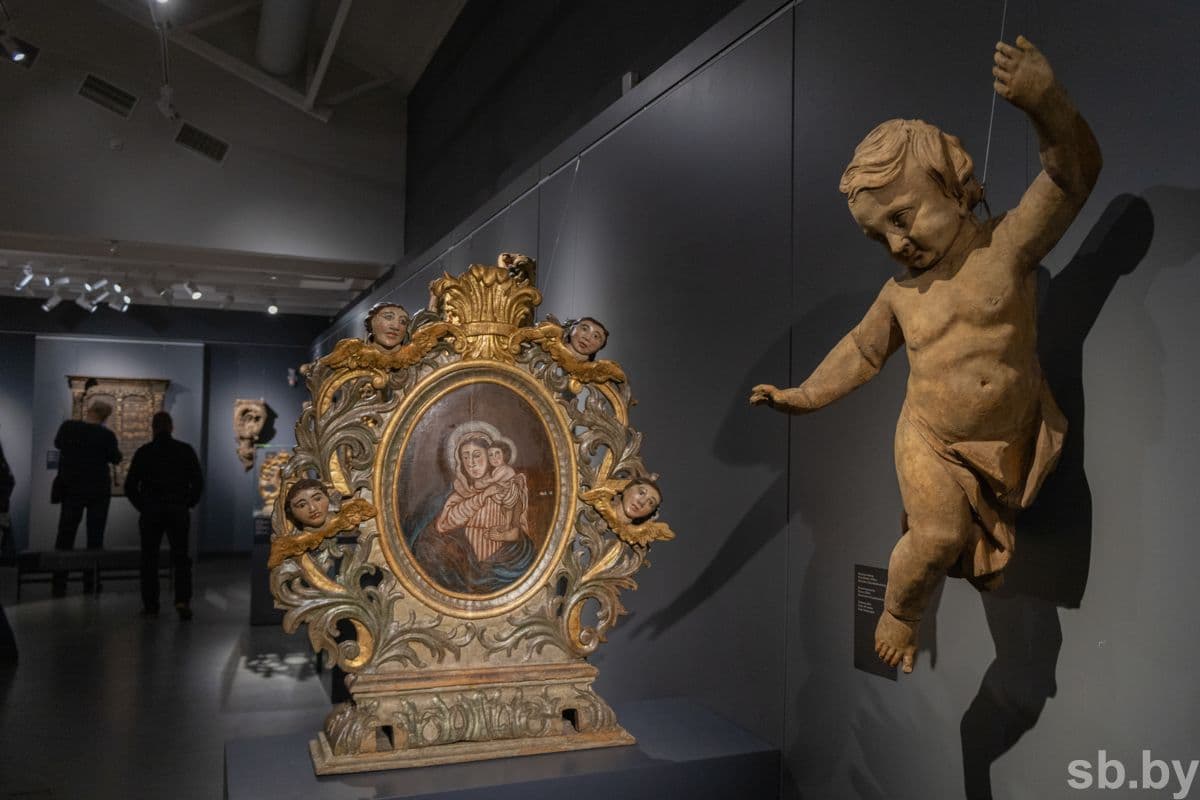
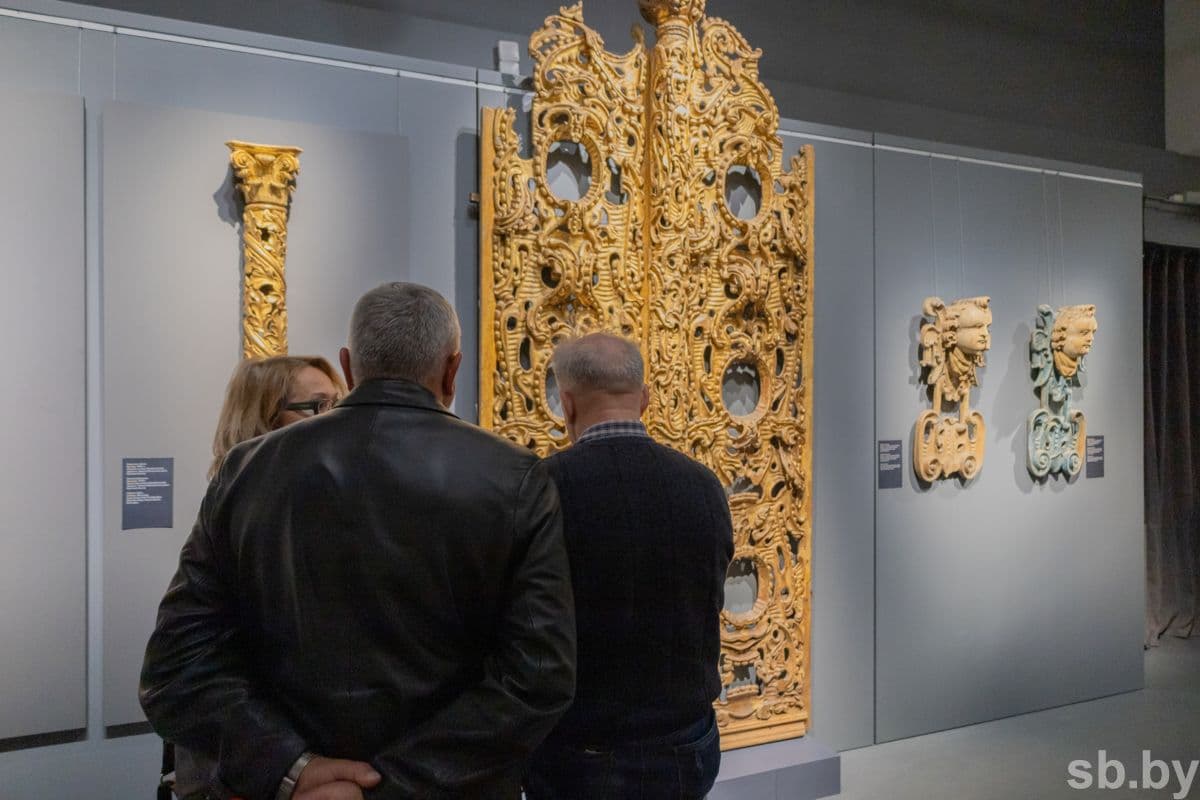
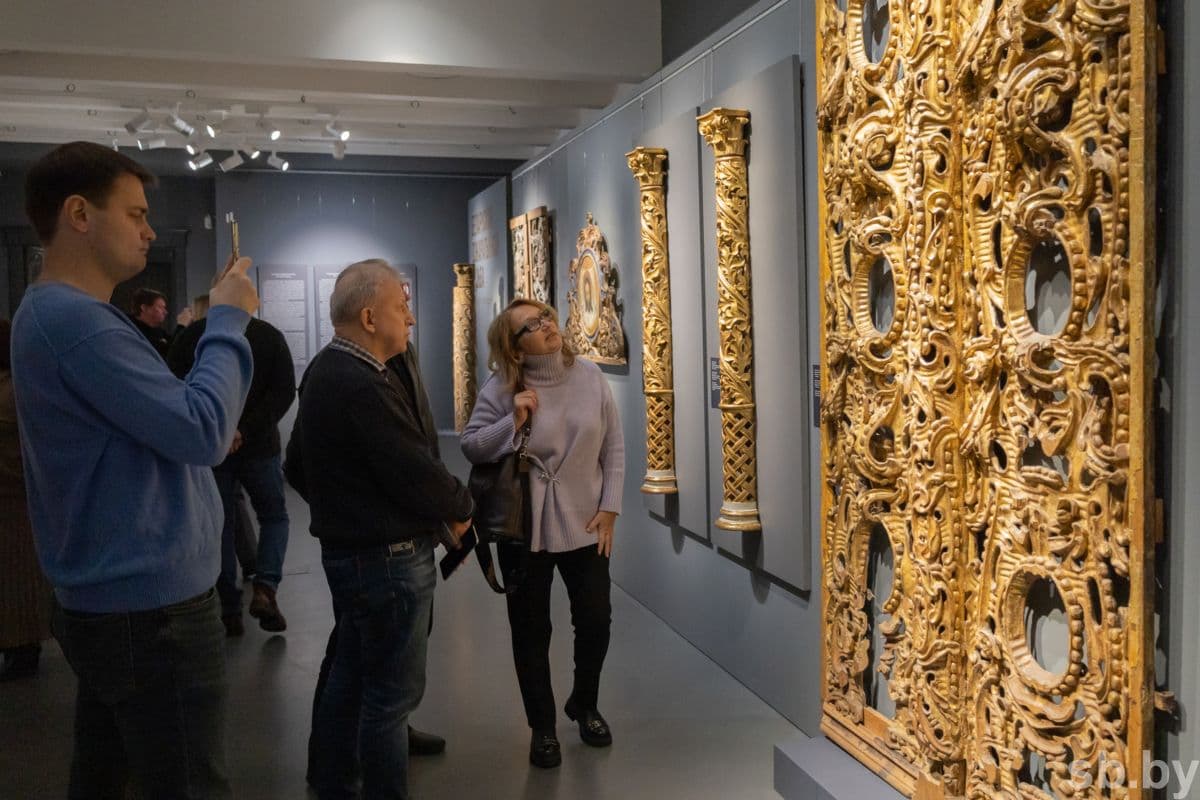
These are carving elements received by the museum from the Trinity Church in the village of Telyadovichi of the Kopyl district of the Minsk region; tabernacle (a small, richly carved locker for storing Eucharistic bread, which was put on the altar) from the church in the village of Zachepichi of the Dyatlovsky district of the Grodno region; frame of the feretron (procession altar) from the Pokrovskaya church in the village of Berezovichi of the Pinsky district of the Brest region, etc. Also well-known, iconic works for the history of Belarusian art are shown. The pearl among them is the Royal Gates of the iconostasis of Nikolskaya Mogilev Church, one of the most perfect monuments of Belarusian through carvings of the end of the XVII century. According to experts, it is quite rare, unfortunately, to establish the names of masters.
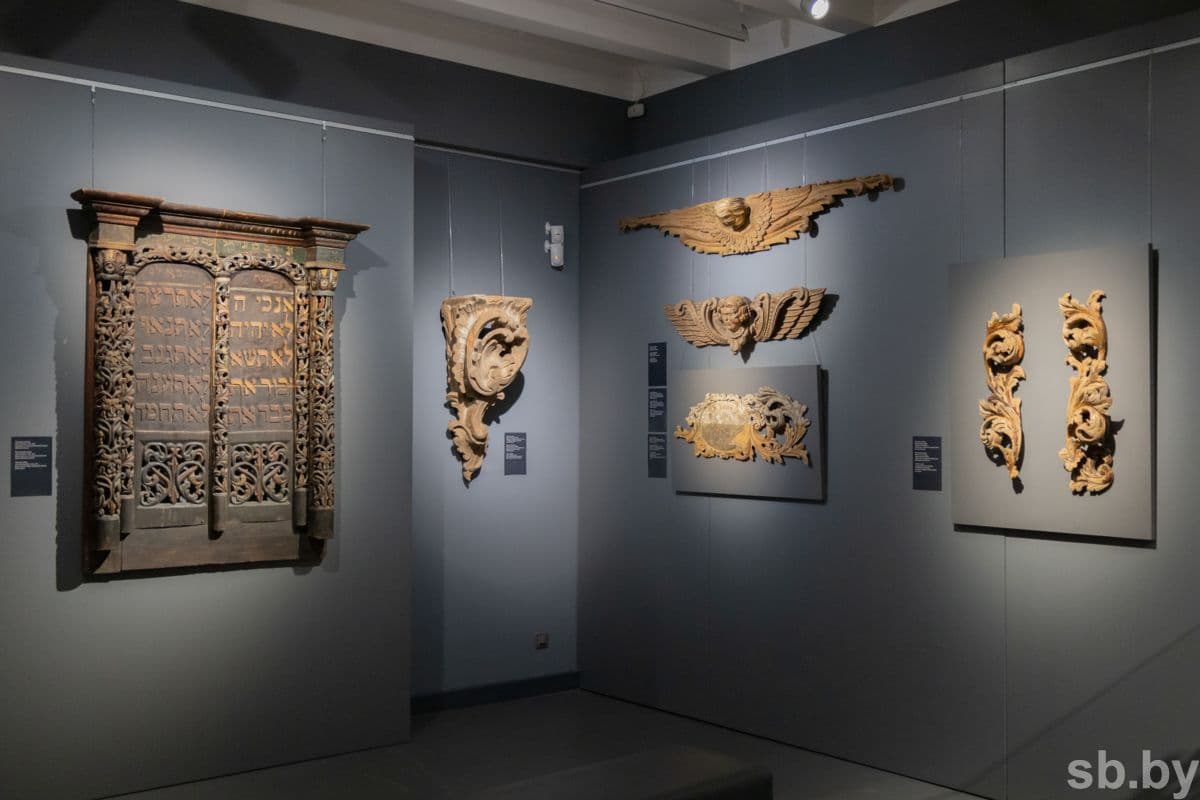
“The museum has the largest collection of ancient Belarusian sculpture,” said Irina Matyas, Director General of the National Art Museum of Belarus. Visitors from different countries stop near such exhibits in extraordinary admiration: is it possible to do this with their hands several centuries ago? And such specimens are preserved thanks to people who are unusually passionate about their work, who went on expeditions, collected, restored.
Decorative wood carving is a phenomenon that occupies an important place in the Belarusian art of the XVII-XVIII centuries. It developed on our lands in the general European context, but at the same time had characteristic regional features and signs of confessional affiliation. The adaptation of Western European ornamental motifs in the Eastern Christian church gave rise to original monuments of wooden plastic. Masters of Belarusian origin in the XVII century influenced the development of the art of carving of neighboring lands.
The temporary exhibition will run until January 25, 2027.