The singer who performed without a hijab was flogged with whips
Famous Iranian singer and four others were lashed after performing without a hijab
An Iranian singer and four members of her concert team each received 74 lashes after being sentenced for “disturbing public order by creating and publishing obscene and immoral content online,” an Iranian news site reported on Monday.
The sentences were carried out in the Penitentiary Department of the Qum Prosecutor’s Office against Ahmadi, concert organizer Mohsen Lashkari and musicians Sohail Fagih-Nasiri, Amin Taheri and Amir-Ali Pirnia.
Parasta Ahmadi and four others were also handed a two-year ban on artistic and musical activities and travel, lawyer Mostafa Neely said.
The case comes after a video appeared on YouTube in December 2024 showing Ahmadi performing without a compulsory hijab alongside male musicians in Qom, south of the capital Tehran, Norway-based human rights group Hengaw said.
Ahmadi’s Caravanserai Concerto, filmed in December 2024 in the historic Deir-e-Ghachin caravanserai near Qum, a sacred Shia city that hosts numerous Islamic seminaries and is considered a bastion of religious conservatism, was published online. (The Persian term caravanserai refers to ancient fortified sites used by travelers and traders.).
A video of the performance, which did not have a live audience, shows Ahmadi singing alongside male musicians. She wore a long black sleeveless dress and had her hair uncovered in violation of mandatory hijab rules in Iran.
Western governments and human rights groups have criticized flogging as torture and a violation of international law. Iran has denied allegations of human rights abuses, saying Western countries should focus on their own human rights concerns.
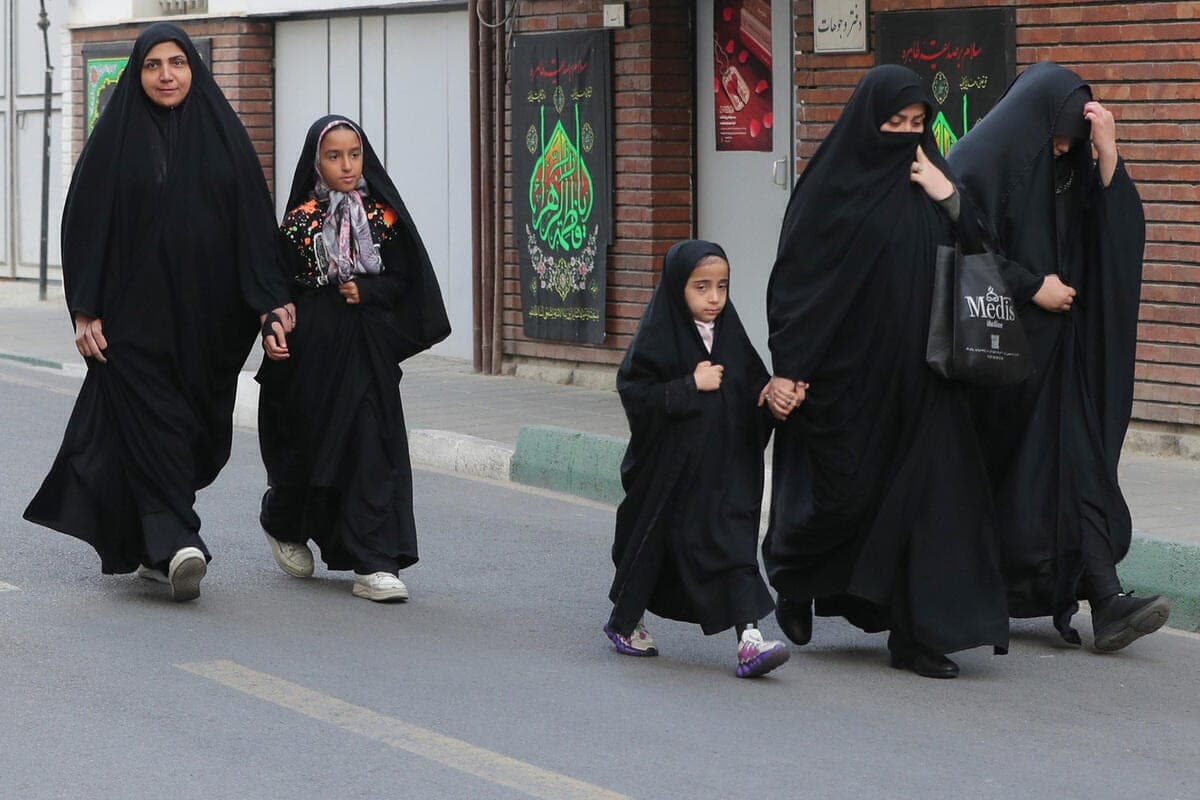
Rules requiring women in Iran to wear the hijab sparked protests in 2022 after the death in custody of Iranian Kurdish-born Mahsa Amini, who was arrested for alleged violation of the dress code.
Rules are increasingly being broken on the streets of Tehran and beyond, and their enforcement is also becoming more selective.
But, as CNN notes, pressure on performers continues in Iran. Singer Khiva Seyfizadeh was sentenced by a lower court to four years in prison for “encouraging corruption and prostitution” after performing traditional Iranian music in Tehran in February 2025. Seifizadeh said in a video posted on social media in August that she sang only a few poems by the famous 13th-century Persian poet Saadi Shirazi, and wondered how the performance could be interpreted as encouraging corruption or prostitution. She said she intends to appeal.