Hong Kong stock market showed the maximum decline since March 2026
Stocks in Hong Kong showed the highest decline since March. The largest sales were observed in the securities of the financial sector
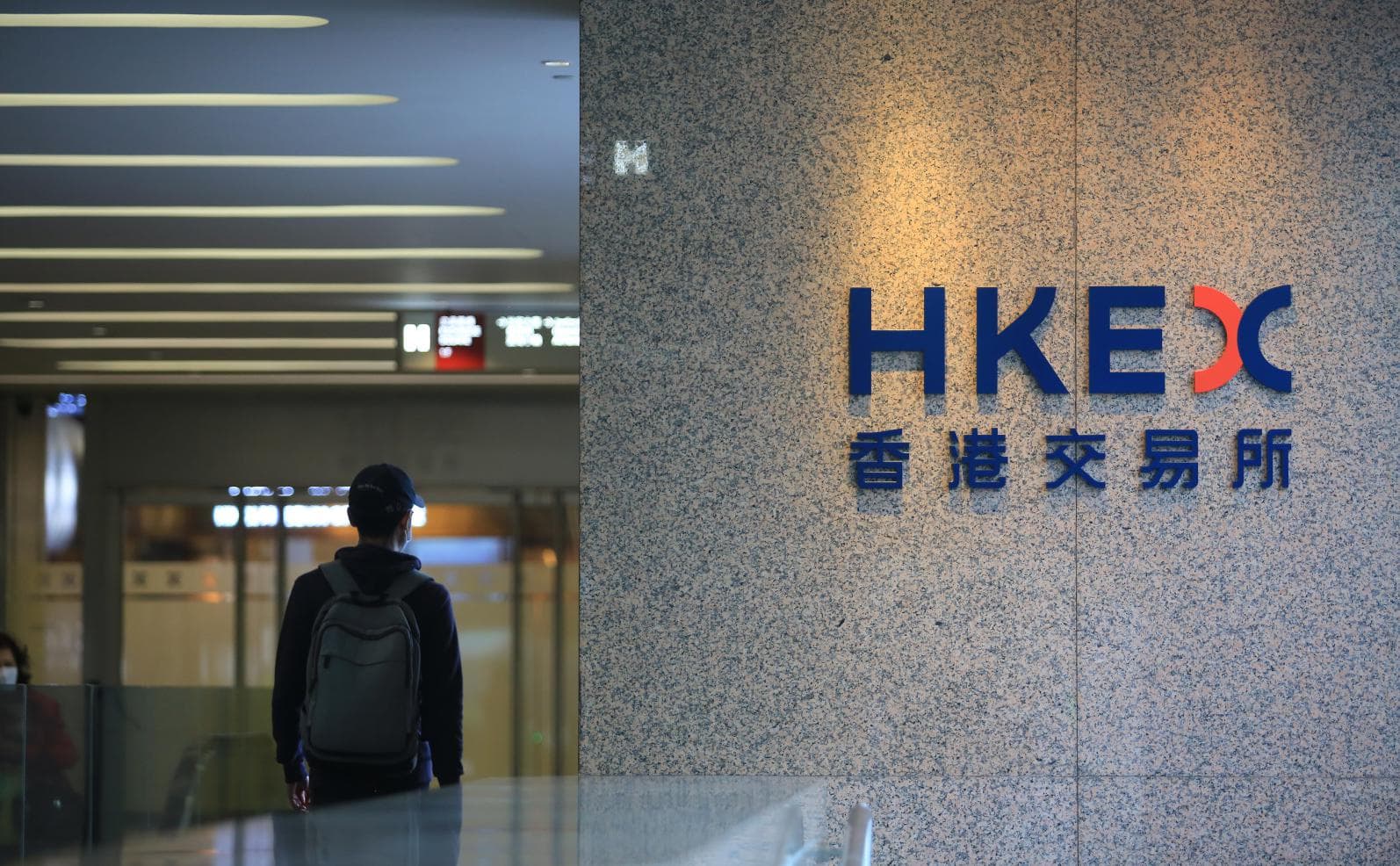
The Hong Kong stock market on Friday, October 2, showed the maximum decline since March, Bloomberg noted. The main stock index of the Hong Kong Stock Exchange Hang Seng (HSI) fell 2.6%, to 23,972.3 points. The Hang Seng China Enterprises Index (HSCE), an index of Chinese stocks listed in Hong Kong, fell more than 2% to 8,030.5 points.
The financial sector has been particularly hard hit. The greatest pressure on the Hang Seng index was exerted by the fall of securities of HSBC Holdings (-5.4%). Shares in China Construction Bank and Bank of China fell about 2.7 percent. Sales were also seen in the securities of tech giants Alibaba Group and Tencent.
Pressure on the market was exerted by the recent rise in US bond yields and investor disappointment with the latest Chinese stimulus measures.
On Thursday, October 1, the yield on 10-year US Treasury bonds reached its highest level since 2002. This forces investors to assess the impact of rising borrowing costs on banks.
The fall in financial sector quotes in Hong Kong was observed after similar dynamics of financial companies in the UK. British 30-year bond yields hit 6% on Thursday - the first time since 1998. According to the Bloomberg Bond Index, global government bonds posted their worst quarter since 2024.
“Rising bond yields and tightening financial conditions are putting strong pressure on financial stocks,” said Gerald Gana, chief investment officer at Reed Capital Partners. HSBC's case raises further concerns about the possible imposition of taxes on UK banks, he added. According to the expert, in the near future this will lead to more large-scale sales in the shares of major global financial companies.
Homin Li, senior macro strategist at Lombard Odier, believes that due to the lack of inflow of funds from the mainland markets and low liquidity during the Chinese holidays, price fluctuations in the market are somewhat amplified. From October 1 to 7, 2026, official weekends are held in China on the occasion of the PRC Education Day. Trading in mainland China will resume on October 8.
In addition, some investors may not have reacted too positively to Beijing’s measures to support economic growth announced earlier this week.
“The Hang Seng Index is also under additional pressure from factors related to the U.S. interest rate cycle, which manifests itself through the Hong Kong dollar’s peg to the U.S. dollar,” Homin Li added.