
علم القرم بآفاق استخدام اللقاحات الأورامية
The oncological vaccine remains a promising direction in the treatment of cancer, but is not yet ready to become a universal remedy
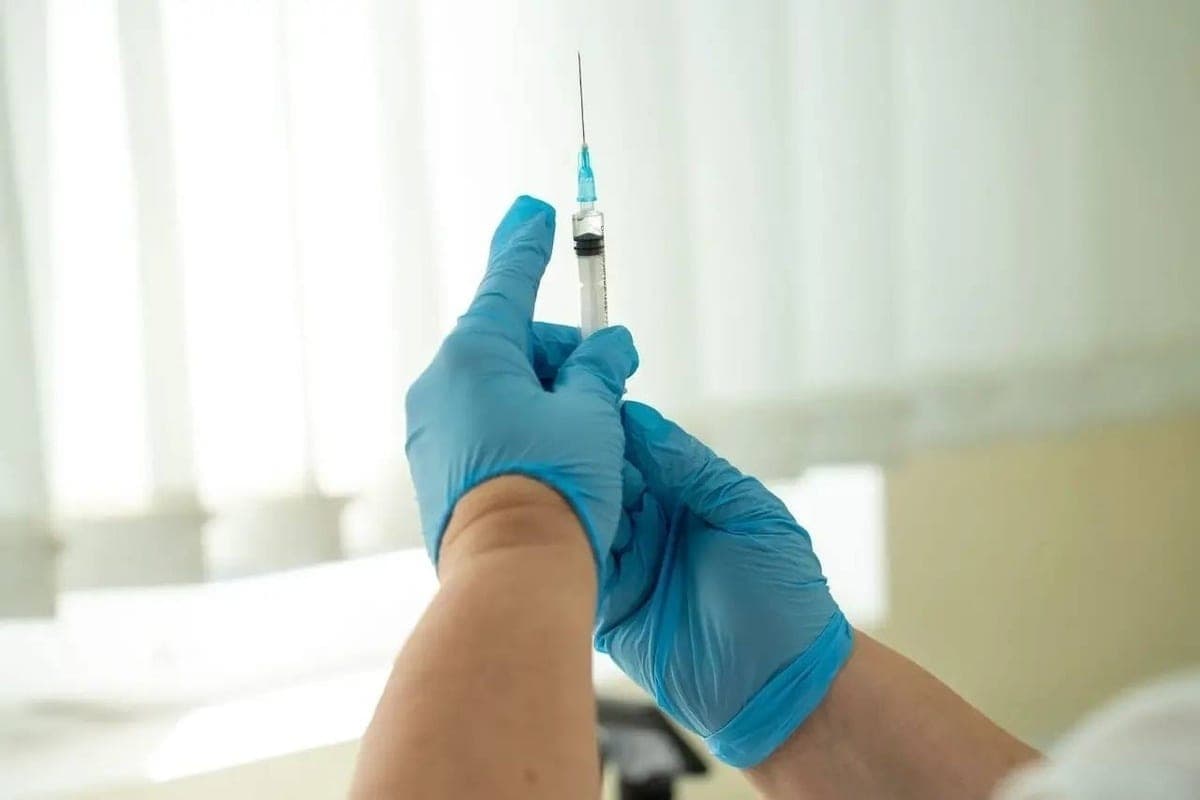
The oncological vaccine remains a promising direction in the treatment of cancer, but is not yet ready to become a universal remedy. This was stated by an oncologist, candidate of medical Sciences Evgeny Cheremushkin, writes NEWS.ru.
According to Evgeny Cheremushkin, the oncological vaccine is an advanced technique in the fight against cancer. The immune system controls the process of cell division, so the use of immunotherapy components is considered one of the most expected areas in oncology.
وأكد الأخصائي أن المريض الأول الذي حصل على اللقاح الأورامي قد اختفى من التركات. وقال إن هذه القضية تشير إلى الاتجاه الصحيح للعمل. غير أن النجاح الوحيد لا يشير بعد إلى اتجاه كامل.
" في بعض الأحيان نحصل على تأثير مرة واحدة ثم نحصل على خمسة بدونها. سننتظر فقط سنكون سعداء عندما تم بالفعل تجنيد مجموعة من المرضى بشكل دقيق، وقال تشيرموشكين.
وأكد الطبيب أنه من أجل إدخال التكنولوجيا في ممارسة طبية واسعة النطاق، من الضروري إجراء المزيد من البحوث ووضع المنهجية.
Recall that in the Crimea, development in the field of antitumor vaccines has been conducted since the early 2020s. In February 2022, Vice-Rector of Vernadsky KFU for Scientific Activities, Doctor of Medical Sciences Anatoly Kubushkin reported that a cell vaccine against cancer was being developed at the university.
ويتمثل جوهرها في " تدريب " الخلايا المناعية للتعرف على مضادات الورم والعثور عليه وتدميره. غير أن الدراسات قد بدأت بالفعل، وفقاً لما ذكره كوبوشكين، فإن العمل كان طويلاً، ولم يُطلب توقيت إنجازه.
In March 2022, it became known about another project - a unique biomedical technology for immunotherapy of cancers of a wide range. Igor Samokhvalov, Head of the Department of Biomedical Technologies of the Engineering Center "Genetic and Cell Biotechnology" of KFU, said that the regenerative medicine approach will be used to stimulate the immunity of cancer patients.
وقد استحدث علماء القرم طريقة للحصول على عدد كبير من الخلايا المناعية " المدربة " من الخلايا الجذعية التي يغلب عليها البشر. ولتنفيذ المشروع، حصلت الجامعة على منحة من مؤسسة العلوم الروسية بمبلغ 19 مليون روبل، مصممة لثلاث سنوات.


