The project “Obelisks of the great feat” Publishing House “Belarus Today” was presented in Smilovichi
There are many places in Belarus that remind of the trials that the Belarusian people experienced during the Great Patriotic War. One of the most famous is Khatyn.
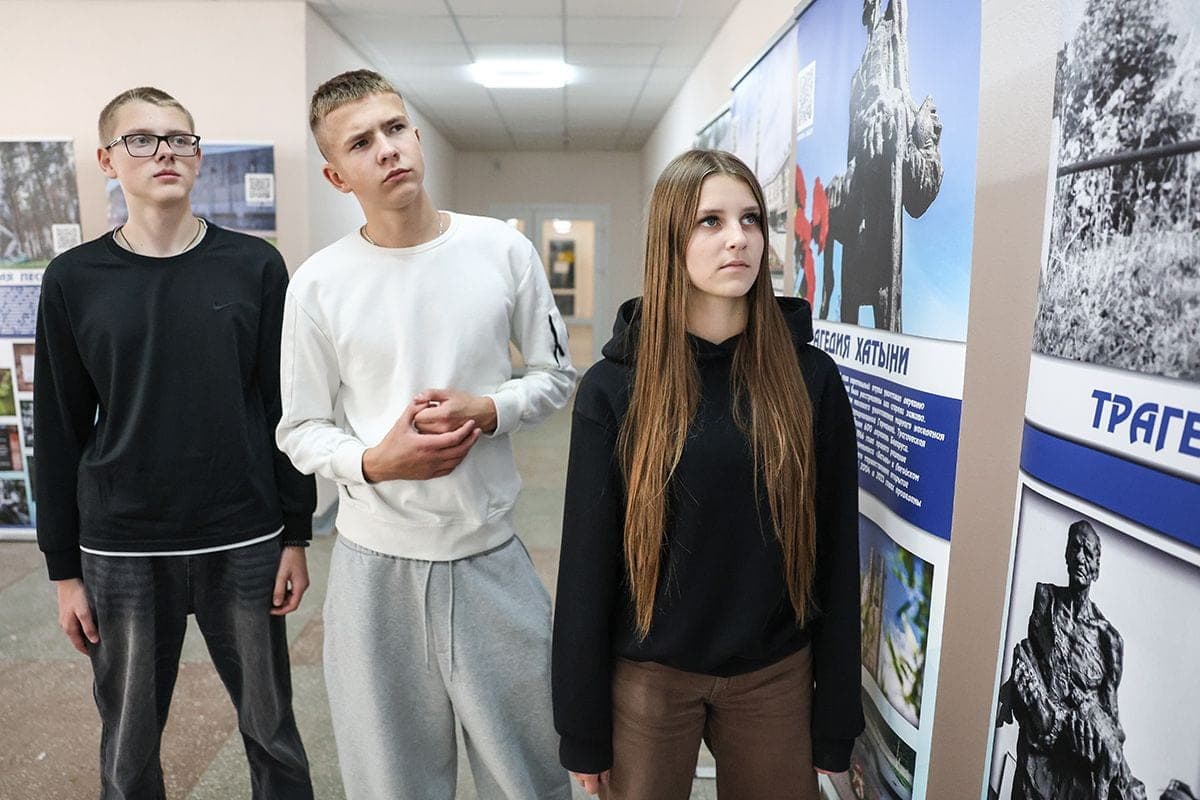
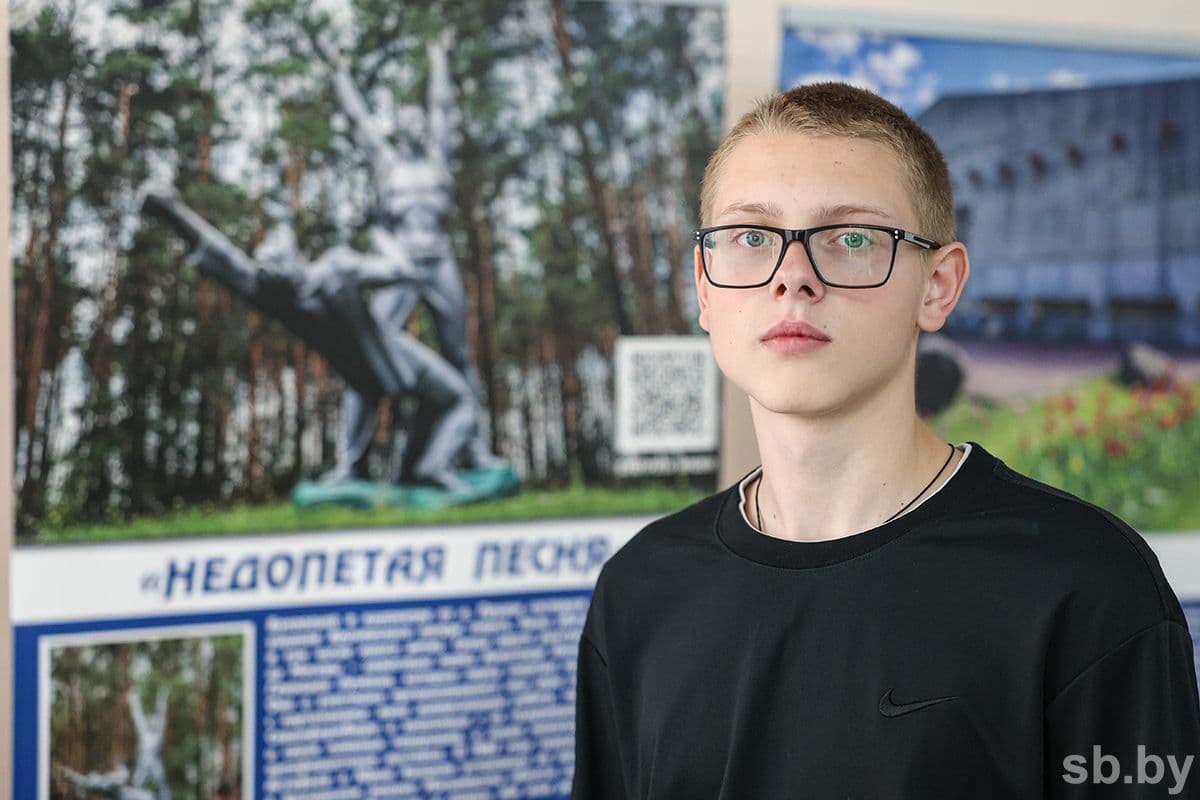
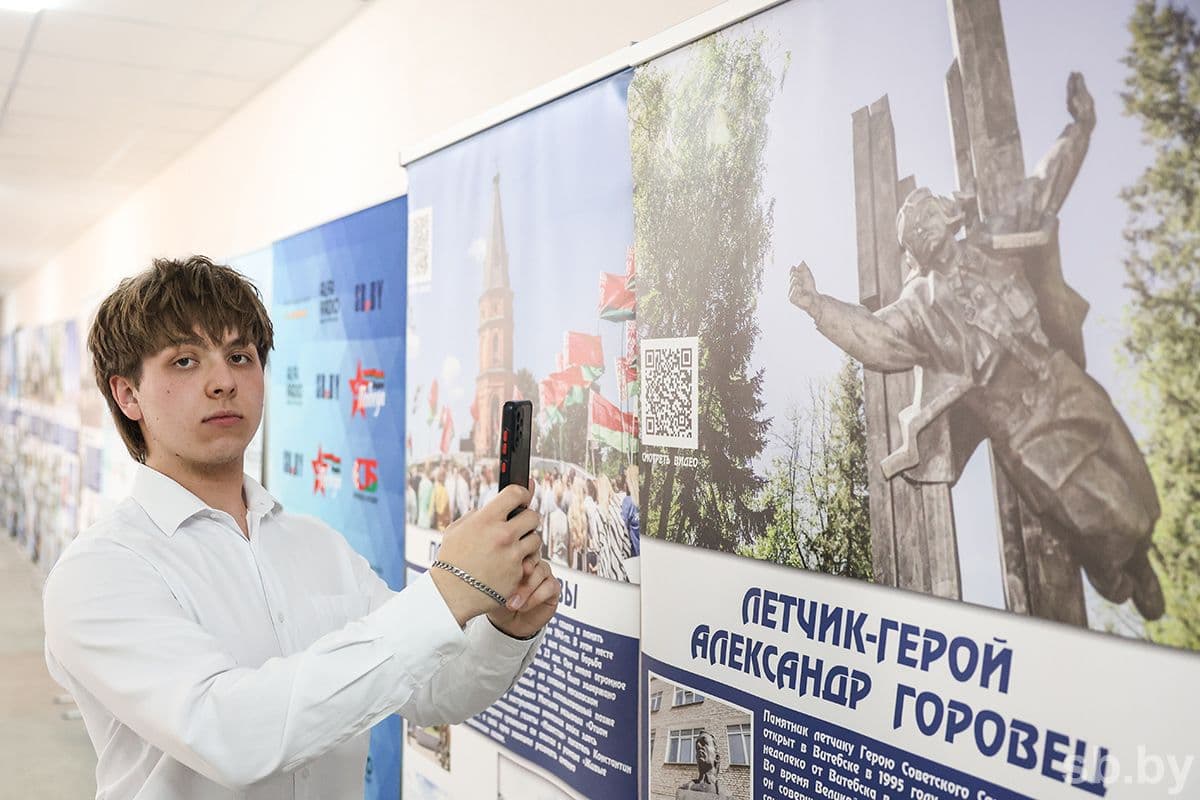
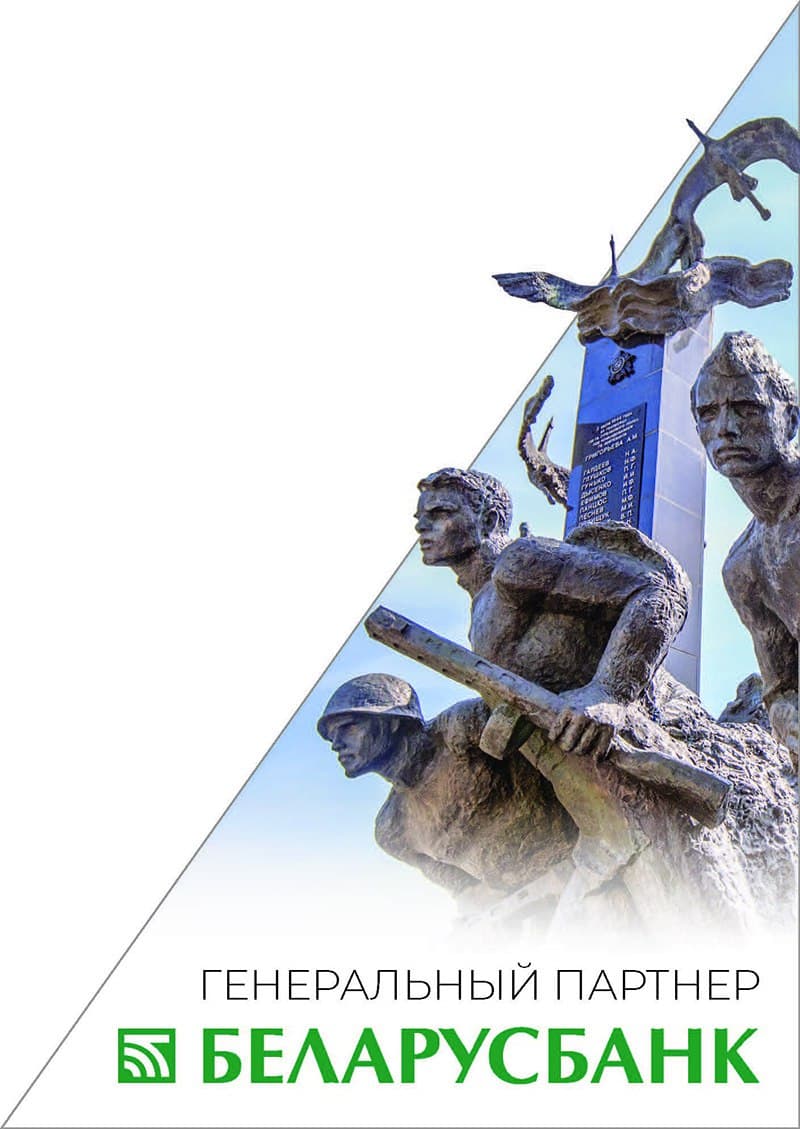
There are many places in Belarus that remind of the trials that the Belarusian people experienced during the Great Patriotic War. Among the most famous are Khatyn, Brest Fortress, Trostenets, Mound of Glory. However, there are other lesser-known memorials and war graves in all areas. They are introduced by the multi-format exhibition “Obeliskies of the Great Feat”, which was launched two years ago by the publishing house “Belarus Today” with the assistance of the Ministry of Education and the support of the general partner of Belarusbank. This year, the project is presented mainly in educational institutions - the exhibition has already visited about twenty colleges and universities. Today, on September 30, it was presented at the Smilovichi State Agrarian College.
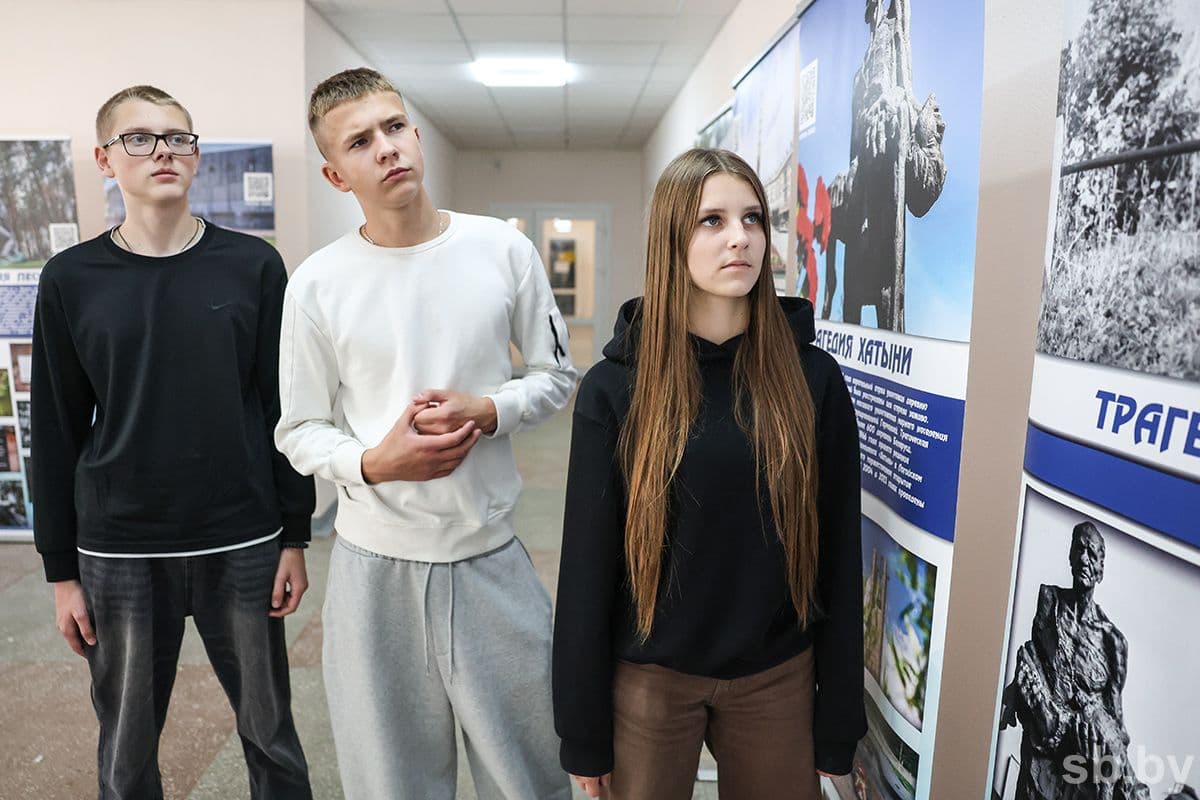
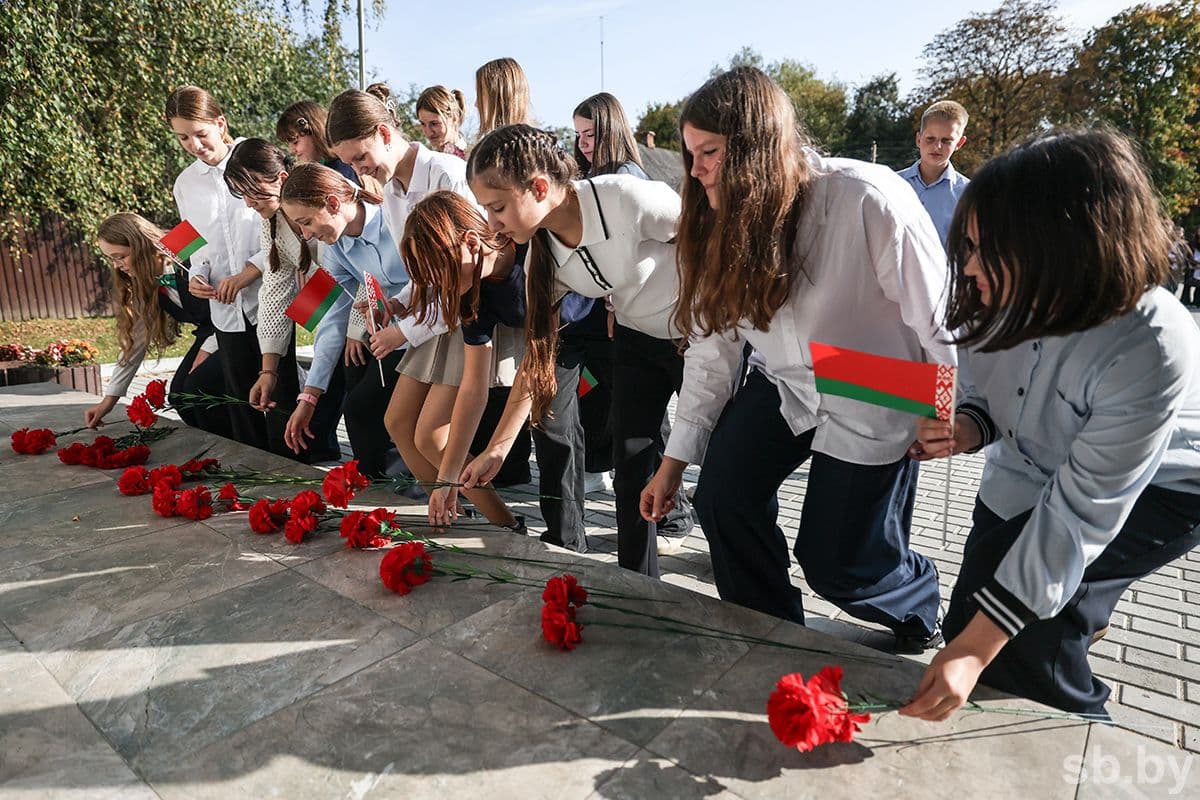
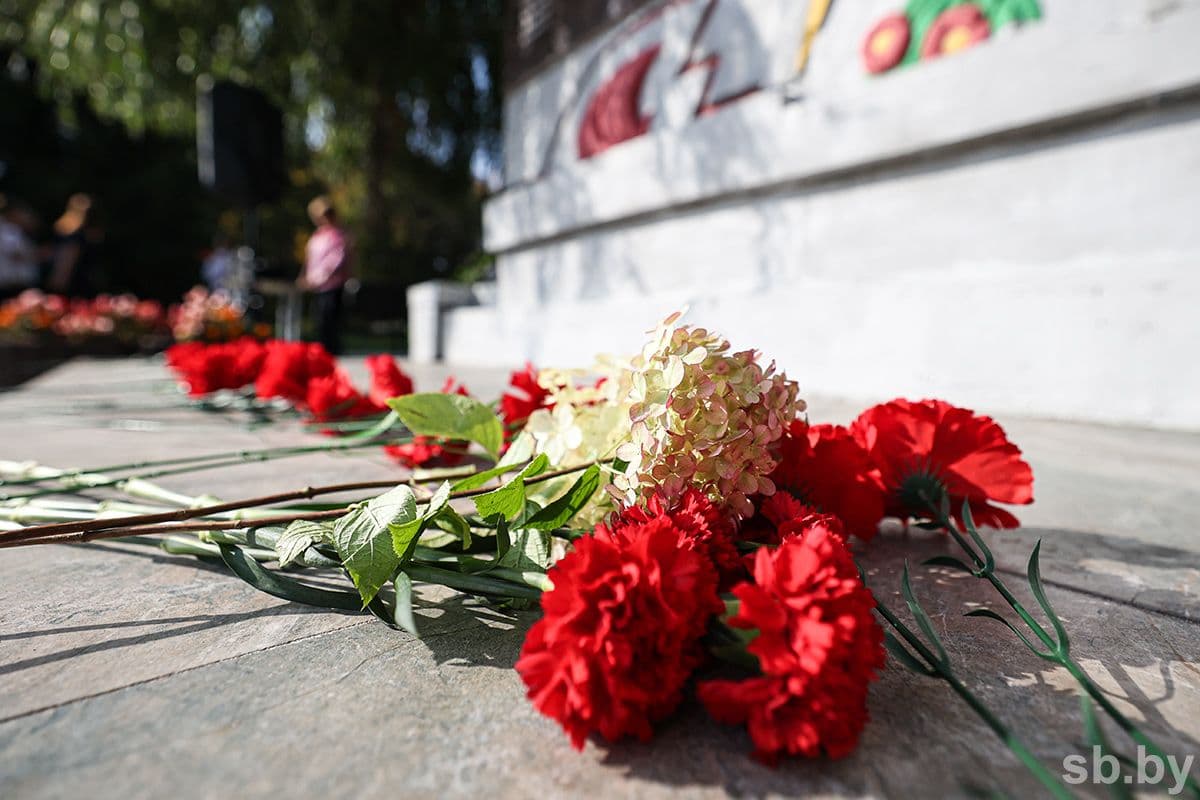
The village of Smilovichi, like thousands of other places in Belarus, suffered from the war. Two-thirds of its population were Jews. During the occupation, a ghetto was created here, where about two thousand people were shot. The memory of the tragic events is immortalized not only by a memorial sign in the center of the village, but also in the Holocaust Museum of Smilovichi Secondary School No. 1. On its territory there is another memorial - in memory of students and teachers who died during the Great Patriotic War. It was built in 1969 at the expense of students and teachers. It was to this memorable place before the opening of the exhibition that guests and students laid flowers.
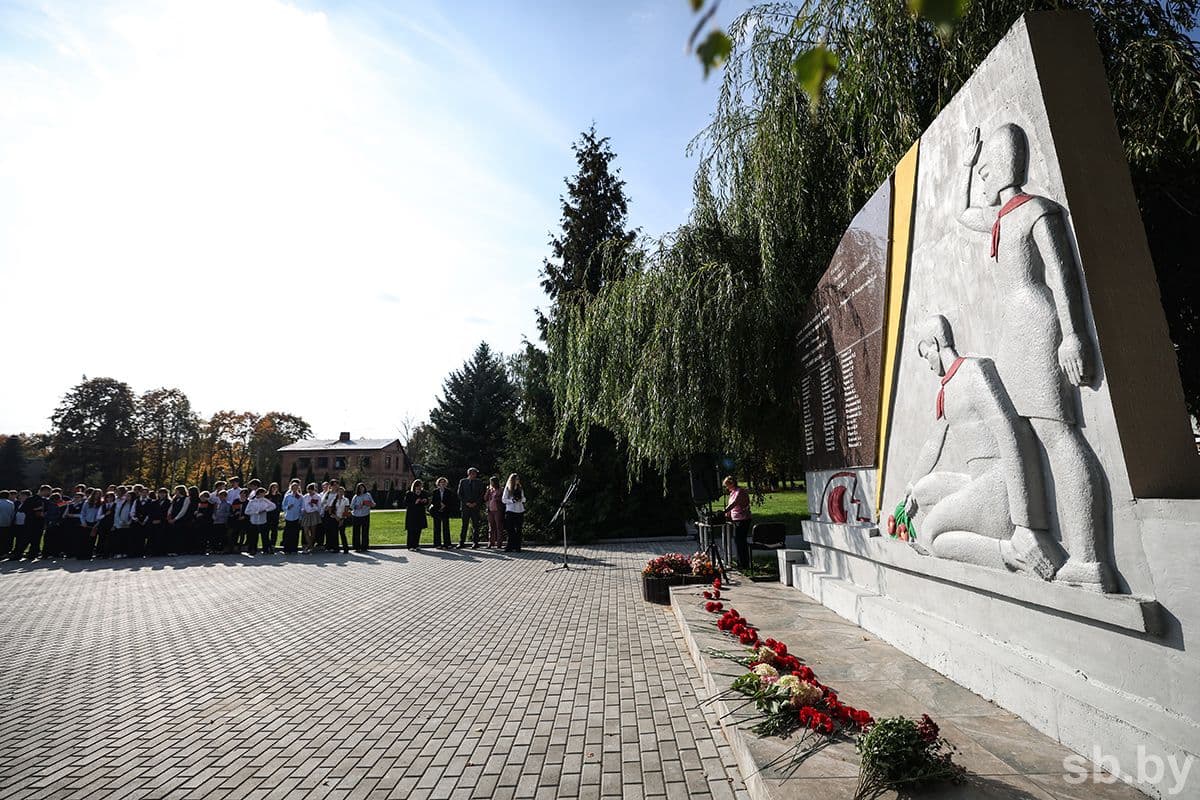
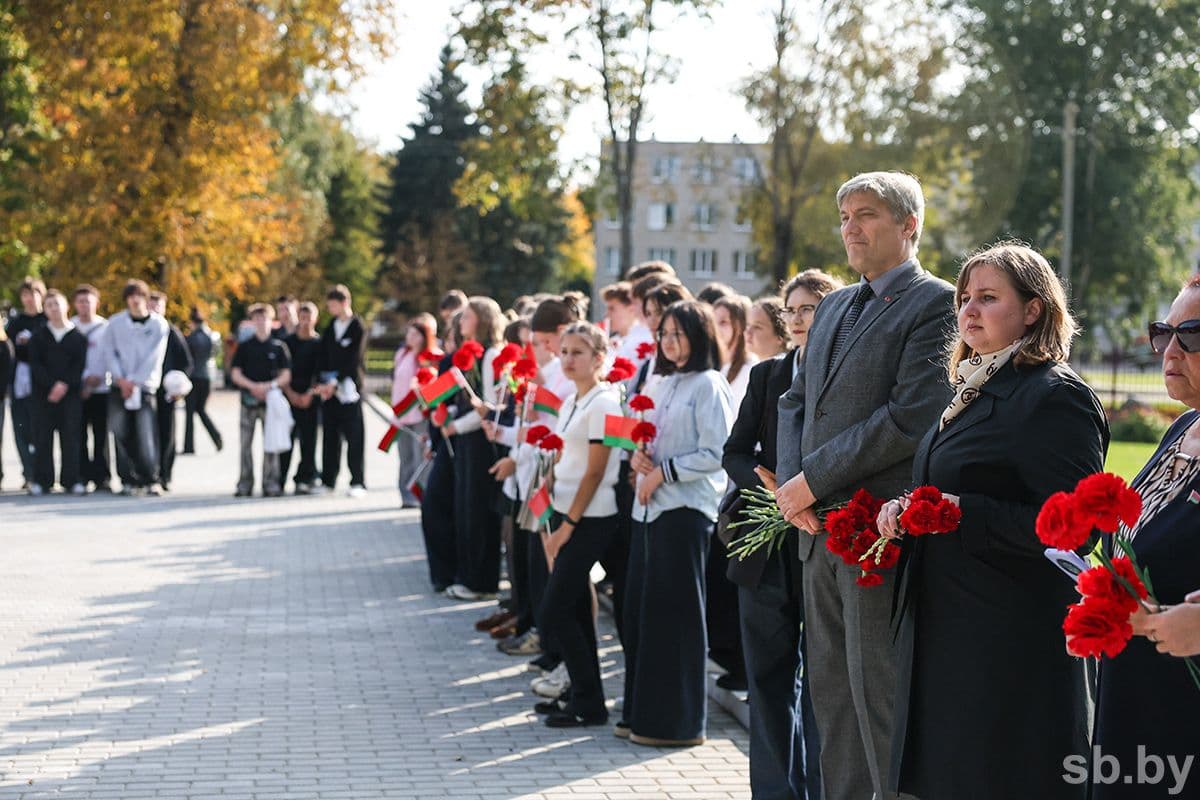
- There are thousands of monuments and obelisks in our country. And behind each of them is the history of specific people, their feat, said Pavel Sukhorukov, head of the advertising department of the publishing house Belarus Today. Fortunately, we have a very respectful attitude towards memorials in Belarus. For each fixed enterprises, educational institutions. They are kept in order, they carry flowers on memorable dates. It's been 80 years. Many of you have a question: why do we keep talking about this, because time has changed and new challenges have emerged? We see what happens when we forget our history. The memory of those who gave their lives for us is an anti-war vaccine.
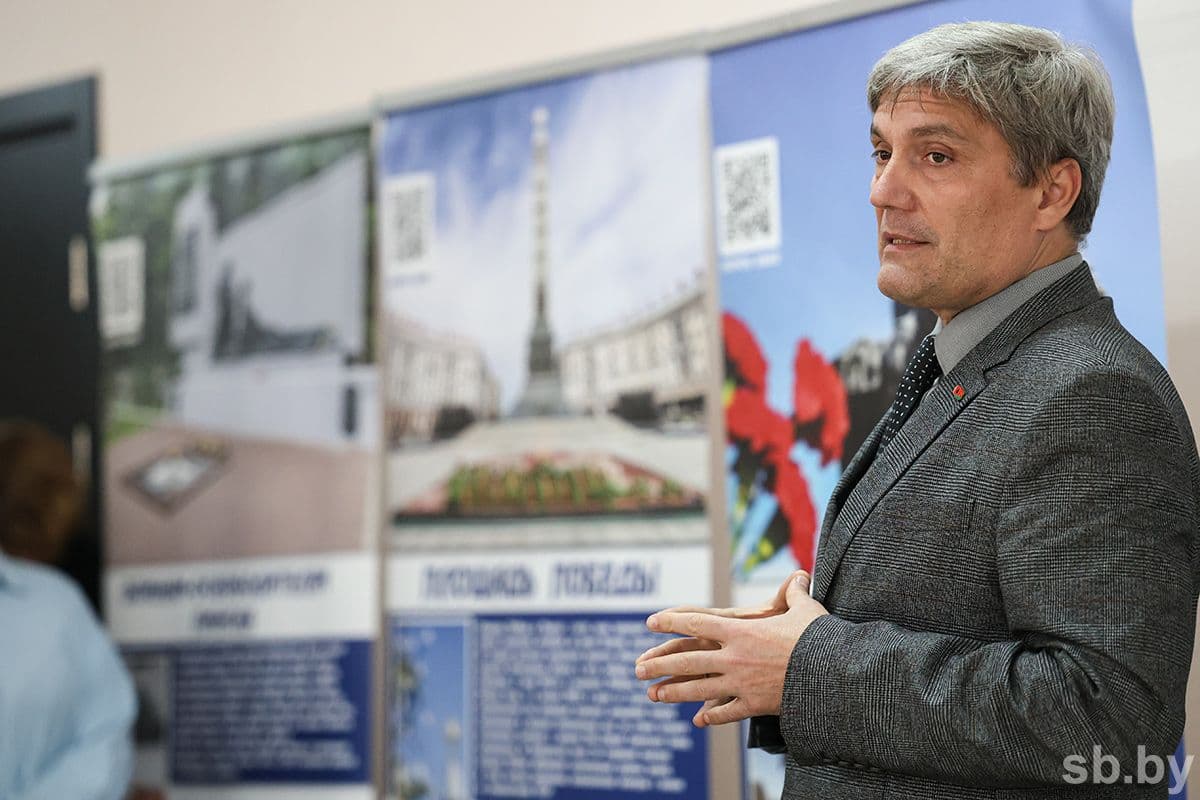
- This is Solomyanka, where about two thousand Jews were shot, and a monument at the site of the execution of residents of the former village of Zhuravkovichi. Our kids clean up there every week. We also actively travel with them on excursions: we visit Khatyn, the Museum of the Great Patriotic War, take children to the Holocaust Museum in the first school. The Cherven Museum brings its exhibitions to us.
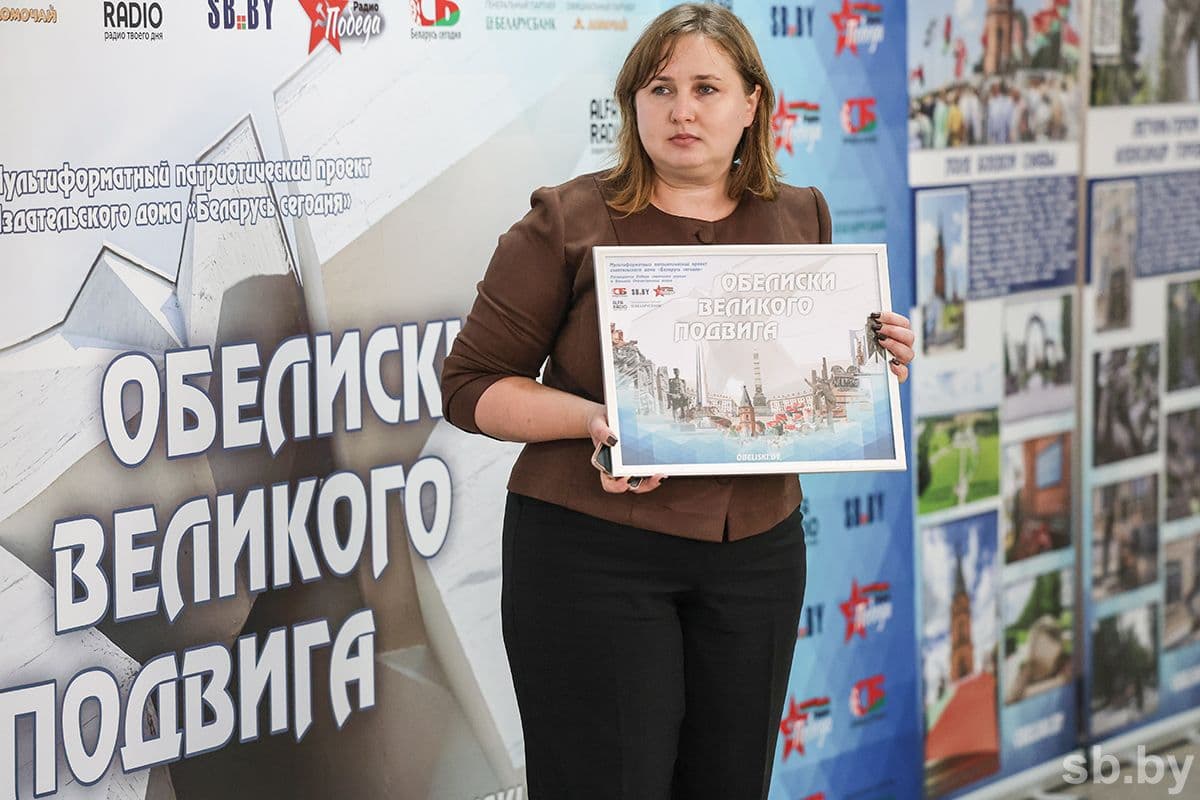
In the families of many students of the college carefully keep memories of relatives who fought at the front and in partisan detachments. Third-year Anastasia Lekareva from junior grades made reports about her great-grandfather-guerrilla. As she got older, she began to search for information about him in the archives, regularly browsed websites with data on front-line soldiers and found several photos of him.
- Great-grandfather Ivan Semenovich Lekarev fought in the detachment "Petrel". From what I learned, he once ventured out to a railway crossing while the Germans were there and shot them. For the exploits he performed during the war, he had seven medals, including several “For Courage”, – says the girl. His great-grandfather went through the war, although he was missing for a while.
The hero is in the family of Albina Mikhailova.
- My great-grandfather comes from the village of Gantsevichi, Logoi district. She was burned during the war, she said. He came to Berlin and survived, received many awards. Despite the fact that his grandfather had serious health problems, he did not miss a single parade. He always took his children with him and then his grandchildren.
- We were taught to be patriots. In addition to training and classes, we went on excursions to the Museum of the Great Patriotic War, Khatyn, to the Mound of Glory. Knowing the real stories of your country and the exploits of your ancestors causes a sense of pride. Therefore, in my opinion, it is great that we do not forget about this and are looking for different forms to tell children about the war and the exploits of their ancestors in an accessible language.