
In Novosibirsk for 160 thousand sell gold chervonets of the last royal issue
On the popular portal of ads put up for sale a gold ten-ruble during the reign of Emperor Nicholas II
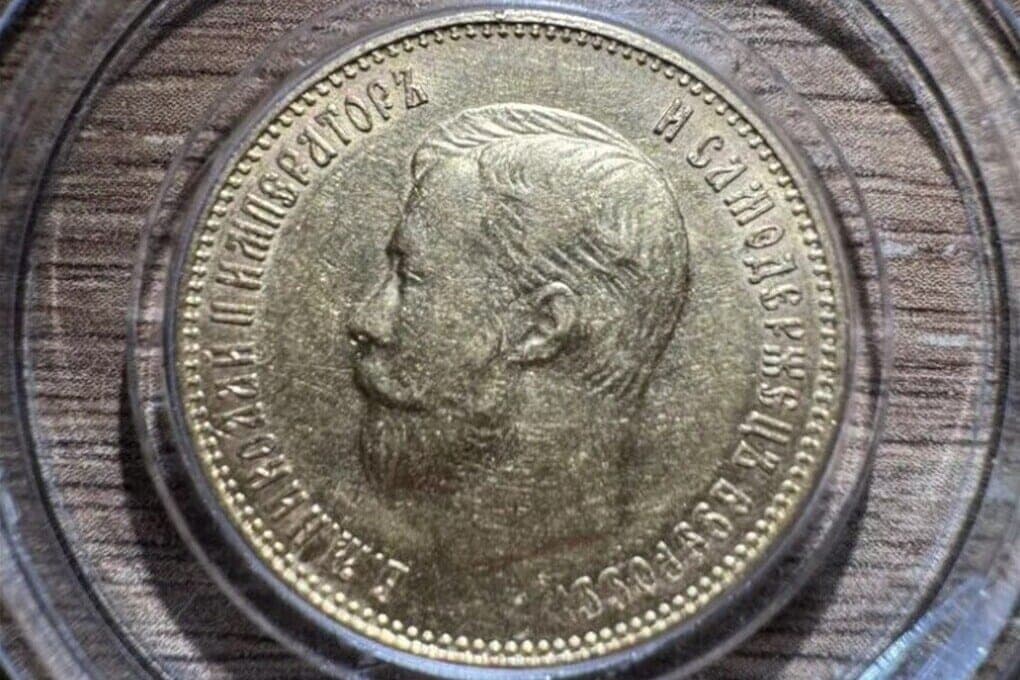
The rarity with a diameter of 22.5 mm and a thickness of 1.7 mm was minted from gold of the 900th sample at the St. Petersburg Mint. The total weight of the specimen is 8.6 grams, of which 7.74 grams is the precious metal. On the edge of the coin, the initials "EB" are struck - the personal sign of mintmaster Elikum Babayanets, who headed the coin redistribution at that time.
The announcement indicates that the copy was in circulation, but the owner is ready to provide it to the buyer for any examinations and inspections. In addition to the direct sale, the author of the offer agrees to barter with a surcharge in any direction: he is interested in jewelry, other coins, Swiss watches or a car.
Reference
The presented coin refers not to the anniversary issues, but to the regular monetary circulation of the Russian Empire, which appeared as a result of the famous financial reform of Sergei Witte in 1895-1897, which fixed the gold standard in the country. It was 1911 that became the final year in the history of the royal gold coinage: after this date, the issue of such coins stopped first due to a glut of the market, and then due to the outbreak of the First World War.
The official circulation of the decibels of 1911 was relatively modest – only 50,011 copies. However, this issue has a curious historical mystery. In 1923-1926, the young Soviet government resumed the minting of tsarist coins with old stamps with the date "1911" for settlements on the foreign market, since foreign partners were more willing to accept the usual imperial gold than the new Soviet chervonets.
In pre-revolutionary Russia, one such ten could rent a good room for a month, buy a pair of good boots or buy more than fifty kilograms of pork.
Earlier, "MK in Novosibirsk" reported that in Berdsk sell the Soviet half-penny 1928 for 5 thousand rubles.


