
Breaking the Smoky Deadlock
The Civic Chamber of the region considered the civil initiative of the need to regulate the procedure for burning straw after harvesting rice Every year about a million tons of waste remain in the fields of the Kuban, and the smoke from their burning is felt by residents of cities and villages, especially people suffering from respiratory diseases
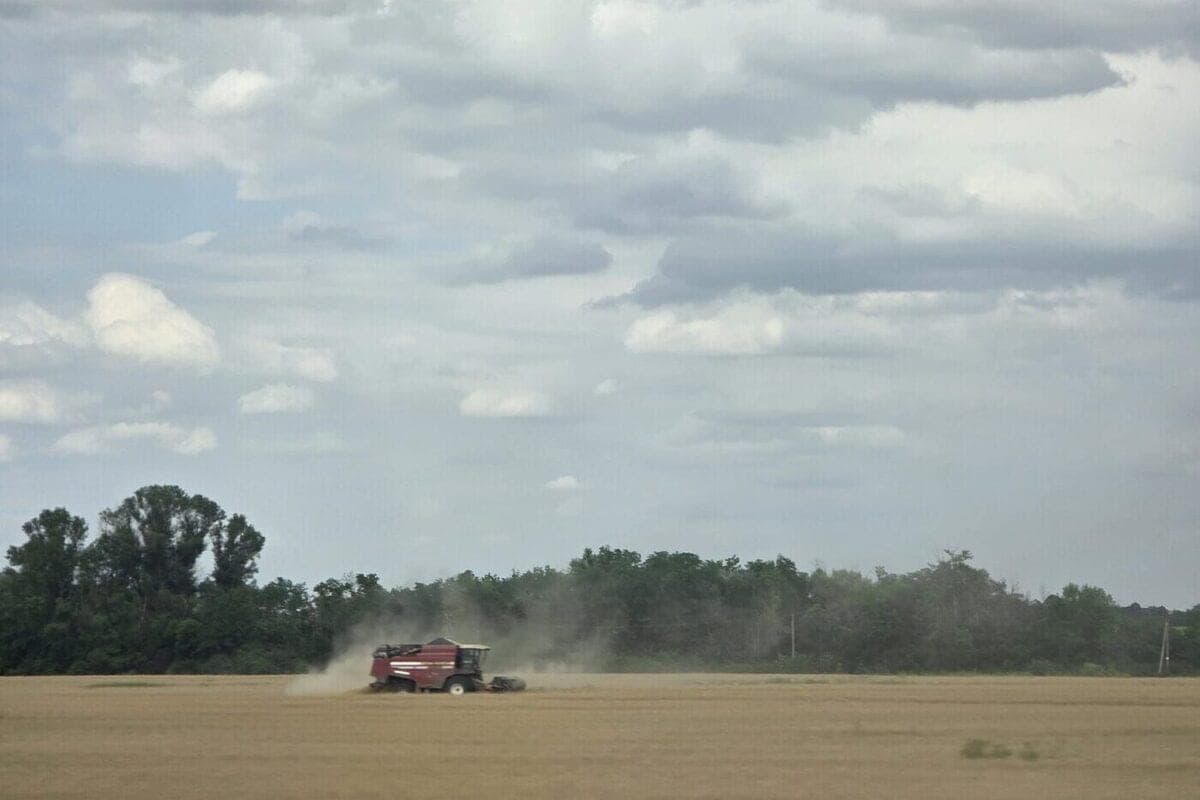
Every year, about a million tons of waste remain on the fields of the Kuban, and the smoke from their burning is felt by residents of cities and villages, especially people suffering from respiratory diseases. Moreover, according to experts, the process leads to the degradation of the fertile soil layer.
Banning the burning of rice straw without alternative solutions can harm the economy of the region, but the problem cannot be ignored: it is acute for decades.
Alternative methods, such as ground grinding, composting, biohumus production or even high-tech processing into bioglass and biofuels, require huge investments. Such costs are unaffordable for small farms.
However, there is already progress towards recycling. Thus, in the Krasnoarmeysky district, with the support of the Regional Development Fund and the Federal Research Center for Rice, the first large-scale environmental project in Russia was successfully tested. On one hundred hectares, rice straw was not burned, but crushed with special agricultural techniques, treated with biobacteria and sealed into the soil with double discarding. This method, among other things, returns trace elements to the earth, increasing its fertility.
The pros and cons of recycling rice straw were discussed by the meeting participants in the Public Chamber of the Krasnodar Territory. Opening the discussion, the Chairman of the Public Chamber of Kuban Lyubov Popova noted that the legal status of burning rice straw in the region has undergone cardinal changes: from a complete ban to permission with subsequent tightening of control. A key turnaround occurred in 2017, when the regional authorities went to meet farmers, allowing burning in strict compliance with safety requirements.
In 2023-2025, after numerous complaints from residents about smog, Russian Deputy Prime Minister Victoria Abramchenko instructed to prepare a draft resolution on the complete ban on burning rice straw. However, according to the data for the autumn of 2025, the document was stuck in approvals: the Ministry of Natural Resources, Rosprirodnadzor and Rospotrebnadzor supported it, and the Ministry of Agriculture and the Ministry of Economic Development opposed it.
Meanwhile, in 2025, 829,000 tons of rice were harvested in the Kuban – almost seventy percent of the total Russian crop. After cleaning, about a million tons of straw remained in the fields. As noted by the Chairman of the Commission of the Public Chamber of Kuban on ecology, land use and housing and communal services Honored ecologist of Kuban Marina Sergeeva, a strict ban on burning will damage the efficiency of rice farming. To solve the issue, a comprehensive approach of relevant authorities, farmers and society is needed.
The opinion of the environmentalist was supported by representatives of the agricultural sector. Member of the Kuban Public Chamber, Director of the plant "Krasnoarmeysky" named after A. I. Maistrenko Hero of Labor of Kuban Sergey Kizinek stressed that the burning of rice straw is a forced measure in conditions of rigid agricultural terms.
According to him, after harvesting rice, farmers have about thirty days to remove water, mow, let dry, thresh, remove straw, tarnish and sow. It is technically possible to grind or remove about ten percent of the straw - another eighty percent remains. Some are used for bedding livestock, but livestock does not consume such volumes. What can farmers do in such a situation?
The participants of the discussion focused on the need for a comprehensive solution to the problem. First, farmers need modern technical means of grinding and processing straw, which requires state support for the development and implementation of such equipment in farms. Secondly, it is important to strengthen the control of compliance with regulations and at the same time stimulate farmers to alternative methods of disposal.
According to Lubovi Popova, the search for a solution to the problem should take into account both the opinion of the scientific community and the interests of farmers. At the same time, it is impossible to put aside the environmental component of the issue, and especially concern for the health of residents. The Civic Chamber of the region is ready to consider this problem from different sides.


