Tuesday, November 3, 2026Moscow
Climate

US veterans have greater levels of Pfas in their blood than civilians, new study finds

Soil and water around military bases show elevated levels of Pfas pollution due to chemicals used in firefighting foam

Published
US veterans have greater levels of Pfas in their blood than civilians, new study finds

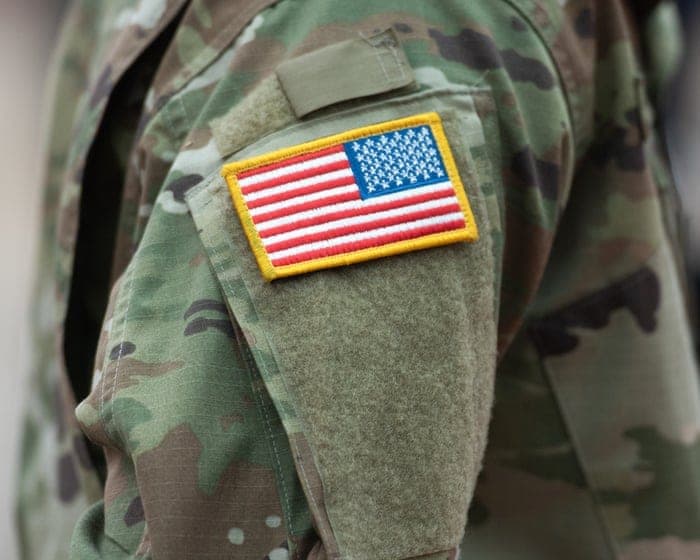
Many US military veterans have much higher levels of Pfas “forever chemicals” in their blood than non-veterans, new peer-reviewed research finds, raising more questions about health risks the nation’s service members face after serving at polluted bases.

Ground water, surface water and soil around military bases show among the highest levels of Pfas pollution in the US because the chemicals are used in firefighting foam deployed during training and emergencies. While the problem has been clear for over a decade, the new Brown University-led study is the first to compare levels in veterans’ blood with those in civilians.
Source: The Guardian ↗

Share

More on This Story

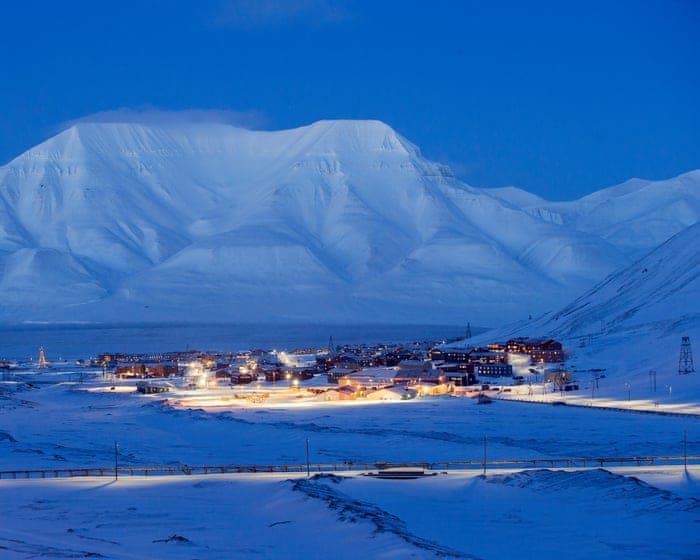
Tap water no longer drinkable in Norwegian town as climate-related thawing releases heavy metals
ClimateTap water no longer drinkable in Norwegian town as climate-related thawing releases heavy metals

Warning for other Arctic communities as residents told not to use water in Longyearbyen in Svalbard, one of the fastest-warming places in the world

Karen McVeigh
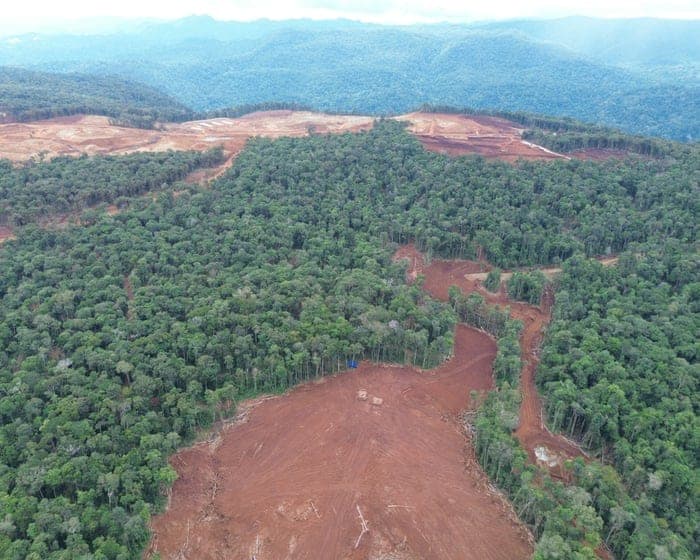
Revealed: VW, Ford and Tesla batteries linked to destructive deforestation of indigenous lands
ClimateRevealed: VW, Ford and Tesla batteries linked to destructive deforestation of indigenous lands

Mines in supply chains of western carmakers linked to widespread deforestation of primary rainforest in nickel-rich lands inhabited by Tolaki people in Indonesia

Stefano Valentino in Sulawesi and Ajit Niranjan
New tool directly links carbon emissions to amount of environmental and economic damage caused
ClimateNew tool directly links carbon emissions to amount of environmental and economic damage caused

Carbon Impacts Tracer can be used to estimate climate impact from emissions across eight different factors, including lost food production

Graham Readfearn Environment and climate correspondent
The EIA Briefing

Keep reading, every morning.

The stories that matter, chosen by our editors and in your inbox before 7 a.m. — every weekday.

No spam. Unsubscribe anytime.