“Life just ended”: “Kuban 24” told the stories of teenagers who got into the drug business
The creative team of Kuban 24 has released a documentary film “Spendable material” about the fate of young people who began to distribute drugs as minors
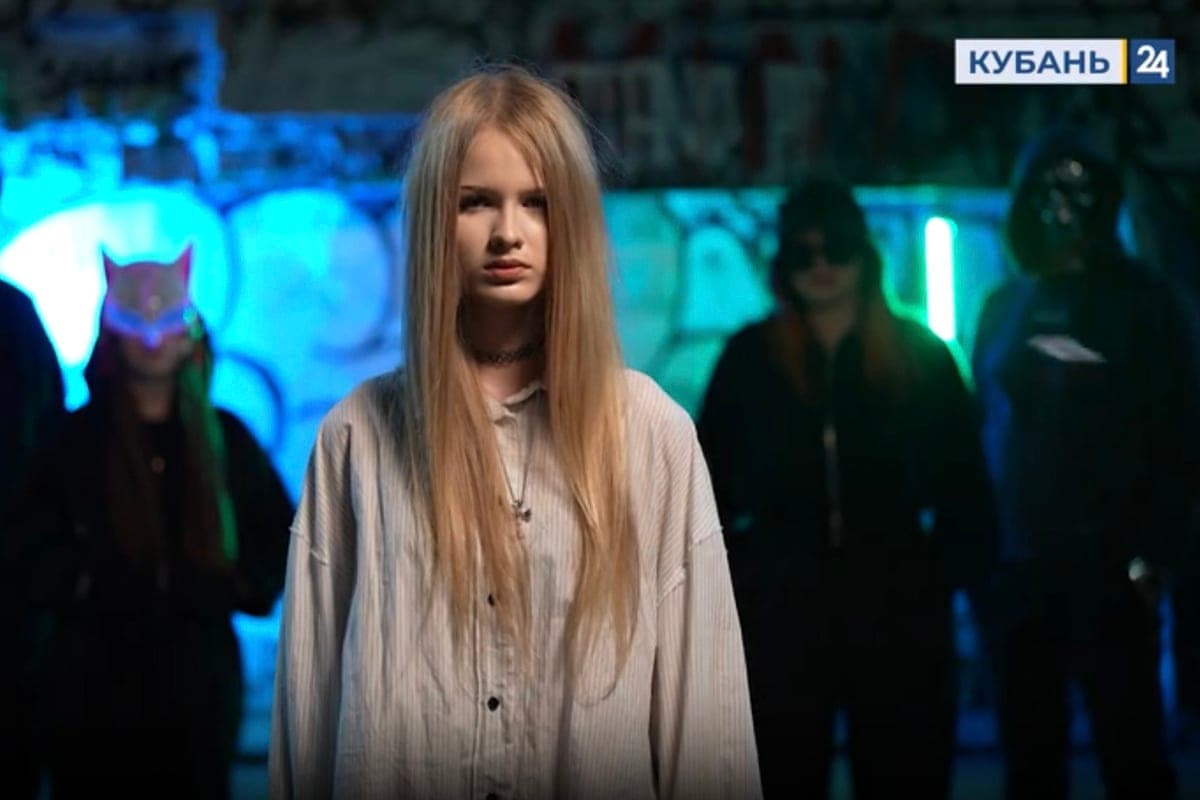
The creative team of Kuban 24 has released a documentary “Spendable material” about the fate of young people who began to distribute drugs as minors. In the film, the characters tell why they agreed to such work, and investigators and specialists explain how criminals involve teenagers in illegal business and keep them in it.
One of the heroines of the film is Marina Efimtseva, born in May 2006. She was arrested at 17. The girl recalls that after moving to Krasnodar, she wanted to make new acquaintances and become more independent.
“I fell into the wrong circle. I moved to Krasnodar, I had to meet someone. I wanted to be more independent, says Marina.
Now her days pass according to a strict schedule: rising at six in the morning, exercising, breakfast, work until the evening. In her free time, she reads and draws. According to her, being in a closed institution is morally difficult: years of life pass here.
Senior investigator of the first department for the investigation of especially important cases of the Investigative Directorate of the Investigative Committee of Russia in the Krasnodar Territory Georgy Kashoida notes that Marina’s family was safe. The girl has two younger, and her parents were not on preventive records.
Another hero of the film is Nikita Samoilov, born in June 2008. He was arrested at 17. According to the young man, the offer of earnings came to him in the mailing list from an unfamiliar contact. The money was needed for daily expenses and study.
Nikita’s mother said that her son wanted to enter Ushakovka, but did not pass the exam in physics. His parents promised to pay him for full-time education, but he decided to earn money on his own. In the film, the teenager's mother recalls his detention with the words: "Life just ended." That's it.
Head of the Department for Drug Control of the Ministry of Internal Affairs of Russia for the Krasnodar Territory Oleg Shulzhenko explains that the motives of young people differ. Some want to earn, others seek to assert themselves among peers or agree to the offer of friends. At the same time, rely on big money, according to the expert, is not necessary: earnings can be enough for a phone or walk with friends, but not for large purchases.
The film also tells how the drug distribution system works and why the organizers try to keep the performers. Roman Sinelnikov, an investigator for especially important cases of the Main Investigation Department of the Ministry of Internal Affairs of Russia in the Krasnodar Territory, explains that in this structure there are curators associated with laboratories, retail organizers and mortgagers.
According to Shulzhenko, recruiters collect detailed information about teenagers: passport data, address, habits and information about the family. If the performer tries to stop working, this information is used for pressure. Sinelnikov says the threats can also affect relatives: teenagers are threatened, asked for an apology, used violence and resorted to frightening demonstrations near the house.
The authors of the film note that the drug business is getting younger, including because it is easier for teenagers to get used to the digital environment. For the first contact with recruiters, it is enough to go online and respond to the offer of easy earnings.
The documentary “Expendables” tells the real stories of young people and shows the consequences of accepting such work. The authors urge viewers to pay attention to the risks and help loved ones to prevent irreparable mistakes.