
The EU announced the crisis in the energy sector and urged to prepare for the winter
The EU gas storage facilities are 70% full and the price of gas has reached the level of the crisis of 2022. European Commissioner Jorgensen suggests EU countries limit heating of public buildings and turn off excess night lighting
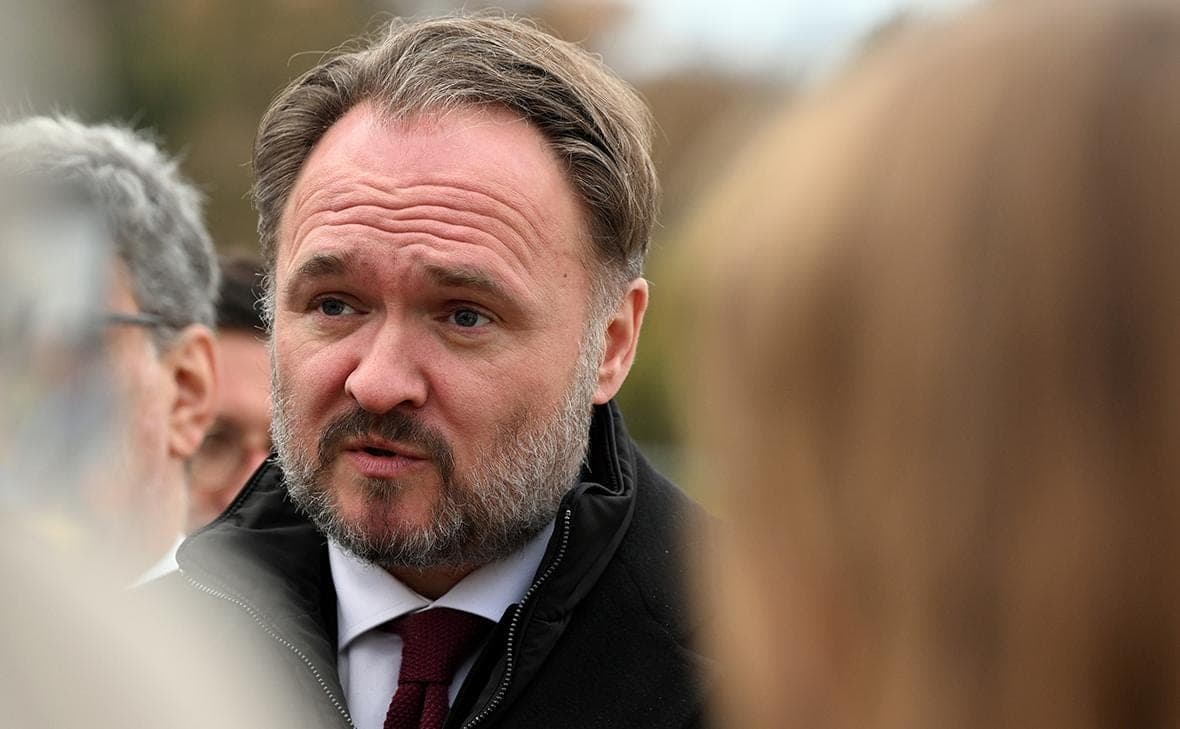
The energy crisis in the European Union has begun, which is why countries are recommended to reduce energy consumption. This is stated in a letter from the European Commissioner for Energy Dan Jorgensen to the energy ministers of the countries of the Union, Euractiv and Reuters report.
"We are facing a price crisis related to a supply crisis," he wrote in the letter. The commissioner called on governments to step up preparations for the winter and consider measures that will allow for further gas injection into storage facilities or reduce gas and electricity consumption.
EU vaults are about 70% full – 12 p.p. less than a year ago, according to Gas Infrastructure Europe data cited by Reuters. Prices at the Dutch TTF hub have been above €70 per 1 MWh for several weeks, reaching levels of the 2022 energy crisis, the agency said.
The situation Jorgensen associated with the tension in the global LNG market and the actual blockade of the Strait of Hormuz, through which before the war of the United States and Israel with Iran passed about a fifth of the world’s sea supply of oil and liquefied gas. An additional burden on the energy systems of a number of countries created a hot and dry summer, the European Commissioner said.
He proposed limiting the temperature in public buildings, eliminating street heating and turning off unnecessary outdoor lighting at night. Households can also encourage a reduction in electricity consumption during peak hours. EU energy ministers will discuss these measures at an informal meeting in Ireland on September 29.
At the same time, there is no immediate threat to supply security now, Jorgensen stressed. According to him, the EU is better prepared for disruptions than in 2021, thanks to increased capacity for LNG reception, the development of renewable energy and reduced gas demand.
Back in August, the European Commission estimated the occupancy of EU gas storage facilities at 62% and argued that there was no cause for concern. However, the pace of injection lagged behind normal, and LNG imports decreased due to supply disruptions from the Middle East.
At the end of August, the cost of gas per TTF reached €69.4 per 1 MWh, the highest since the beginning of spring. On September 9, October futures rose to nearly €81 amid renewed tensions with Iran and concerns over energy supplies.
In April, Jorgensen warned that Europe was preparing for a “protracted energy shock” and allowed a return to the crisis measures of 2022. Then the EU countries agreed to voluntarily reduce gas consumption by 15%, and also introduced a price ceiling and a tax on superprofits of energy companies.
European Commission President Ursula von der Leyen said on September 16 that after the start of the crisis around the Strait of Hormuz, the EU additionally spent €90 billion on fuel imports, without receiving additional volumes of energy resources. She urged to accelerate the development of its own energy and reduce dependence on imports.
At the same time, the EU continues to phase out Russian energy. Imports of Russian LNG will be completely banned from January 2027, and pipeline gas from September 30 of the same year. In the Kremlin, the EU’s rejection of Russian energy is called wrong. Presidential spokesman Dmitry Peskov said that the purchase of more expensive gas in other markets harms the European economy and consumers.
