FAO Reports World Food Prices Rise in September
Global food prices rose in September amid logistical disruptions and unfavorable weather conditions, the Food and Agriculture Organization of the United Nations (FAO) said.
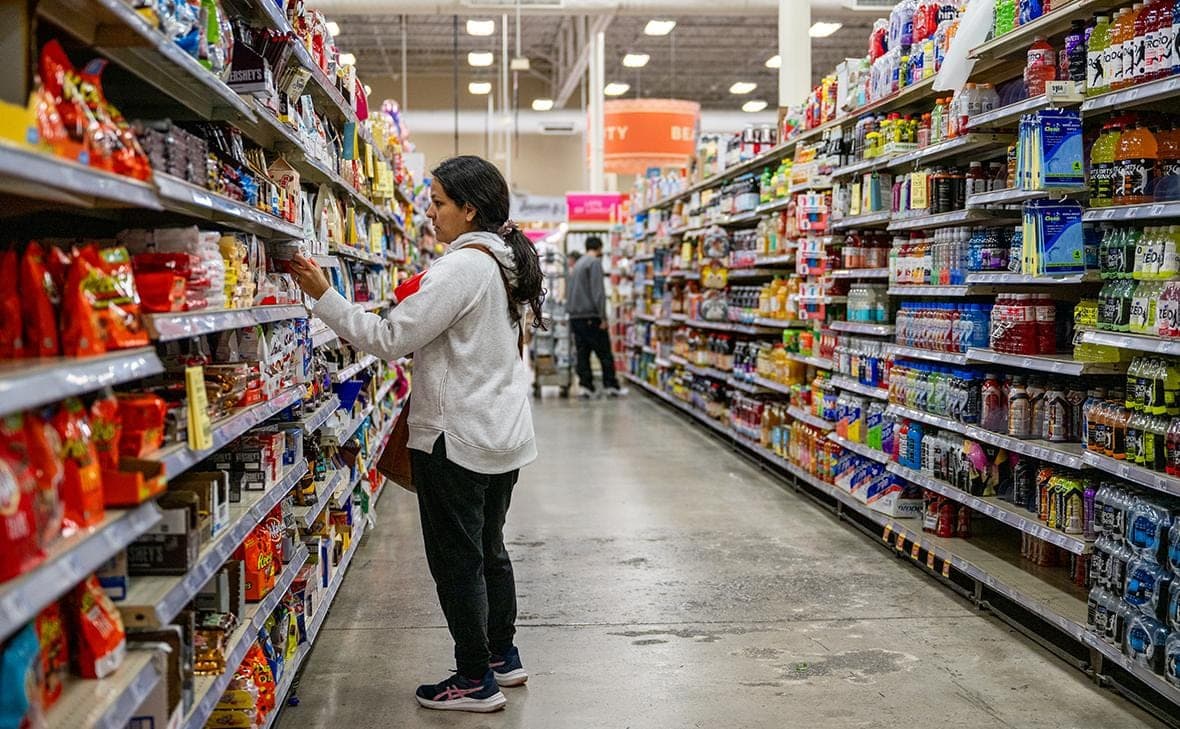
Global food prices rose in September amid logistical disruptions and unfavorable weather conditions, the Food and Agriculture Organization of the United Nations (FAO) said.
The FAO Food Price Index reached 136 points, up 1.5% from August and 5.8% from September last year.
Sugar prices rose by 6.1% amid expectations of a reduction in global supply in the 2026/27 season, and for cereals by 5.1%. Wheat rose 6.3 percent due to logistical constraints and dry weather in parts of North America, and maize by 5.6 percent amid concerns about U.S. yields, Brazil’s declining export supply and Black Sea shipping disruptions.
Vegetable oils rose by 0.9%, meat fell by 1.1%, dairy products by 0.1%.
World cereal production in 2026 is projected at 2.979 billion tons, which is 2.1% less than last year's record. The harvest will be the second largest in history.
FAO forecasts a 3.5% decline in global cereal trade from the record level of the 2025/26 season to 505.8 million tonnes. Wheat and maize exports are expected to decline more than previously estimated, mainly due to shipping restrictions in the Black Sea and a lack of alternative shipping routes.
Earlier, wheat prices hit a nearly three-year high. Analysts at Oxford Economics predicted an increase in world food prices of 11.8% in 2026 and 4.8% in 2027.