
The head of Gazprom predicted a difficult autumn-winter season for Europe
EU countries are entering the heating season with historically low gas reserves in the Inchukalsky UGS, follows from the message of Gazprom. Alexey Miller called the upcoming autumn-winter season difficult for Europe
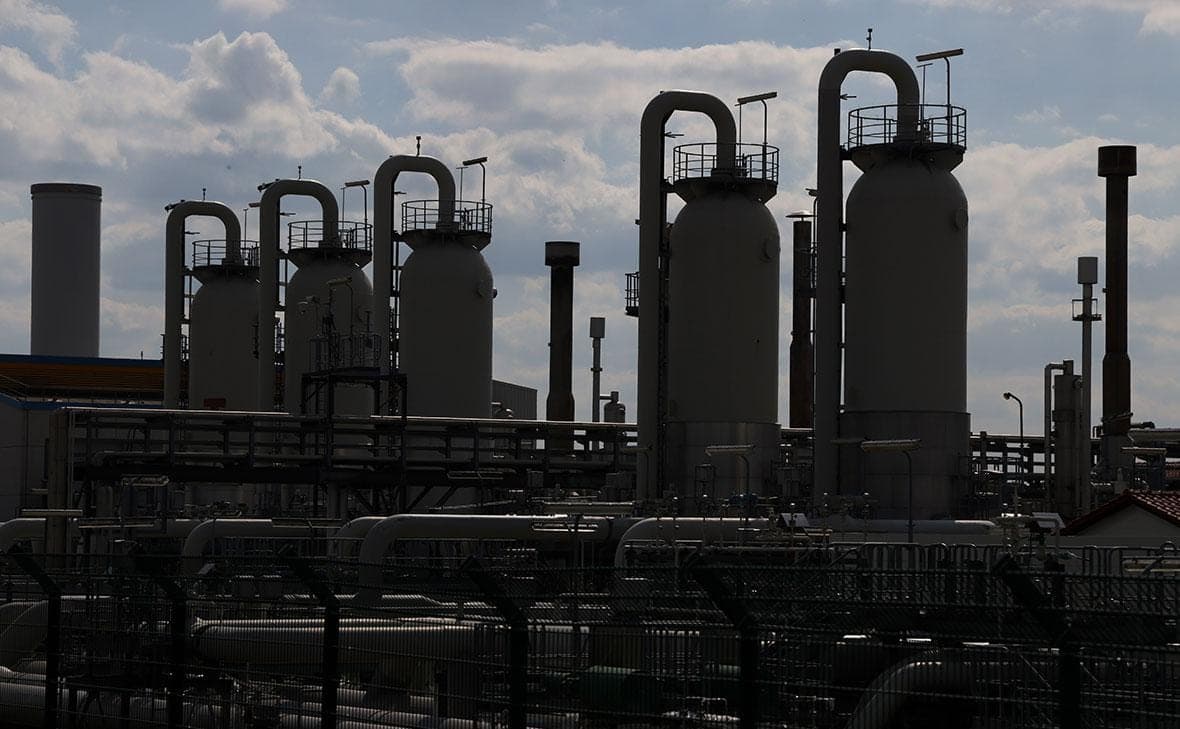
The countries of Europe will have a difficult autumn-winter season, said the Chairman of the Board of Gazprom Alexey Miller, the press service of the holding.
“The countries of the European Union continue to confidently set historical anti-records in the gas sector on the eve of the difficult autumn-winter season,” the report said.
Gas reserves in the only underground storage of the Baltic States — Inchukal — are at a minimum level, the press service of Gazprom notes.
Inchukalnsky UGS is an underground storage of natural gas in Latvia, the only operating UGS in the Baltic States. It was commissioned in 1968 and is used for seasonal gas storage and supply during the heating period.
The storage facility provides gas to Latvia and is used to supply other countries in the region, including Estonia, Lithuania and Finland.
According to Gas Infrastructure Europe, as of October 1, the occupancy of the Inchukaln underground gas storage (UGS) is only 49% and is historically the lowest on this date. “We note that the net injection of gas into the storage facility in the third quarter was the lowest for this period for all the years of observations,” Gazprom representatives added.
The level of gas reserves in UGS facilities in Europe on the eve of the heating season remains below the previous significant lows. As of October 1, European storage facilities are filled by 72%, and the volume of active gas in them is 11.3 billion cubic meters less than a year ago, Gazprom noted.
At the end of September, Bloomberg wrote that gas reserves in European storage facilities fell to the lowest level for this time of year since the beginning of observations in 2009 and were filled by about 71% with a seasonal average of about 87%. According to the agency, the occupancy rate in Germany was 57%.
The previous model, under which companies bought cheaper gas in the summer and sold it in the winter, stopped working for the second year in a row due to a reduction in supplies of Russian pipeline gas and the transition of Europe to LNG. In 2026, the situation was complicated by disruptions in Middle Eastern supplies due to the conflict with Iran.
In the event of a cold winter or new disruptions, Europe will have to buy LNG at high prices, which could increase inflation and increase energy bills. Germany and the Netherlands are exploring creating state reserves and compensating traders for storage costs.
Nine EU countries have strategic reserves. Their total volume is about 12 billion cubic meters, or 12% of the storage capacity of the EU, which corresponds to about 13 days of average consumption. Germany plans to start forming a reserve in 2027.
Against this background, the EU continues to phase out Russian gas. In June, a ban on pipeline supplies for short-term contracts came into force. Imports of Russian LNG are planned to stop from January 1, 2027, pipeline gas from September 30 of the same year.
