CNBC reported record imports of Russian gold by Hong Kong
The share of Russian gold in bars accounted for almost 15% of non-monetary gold imports to Hong Kong in the first seven months of this year, while in 2021 this figure was only 0.6%, reports CNBC
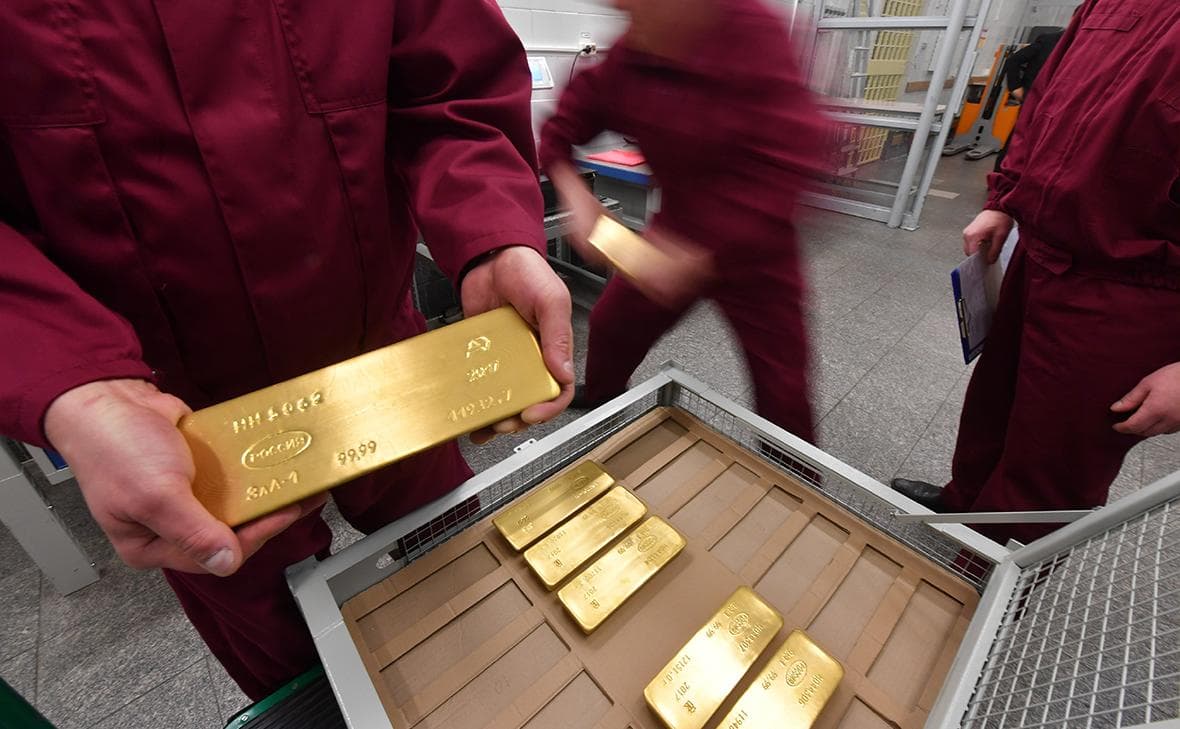
Hong Kong imported a record 112.7 tons of Russian gold in the first seven months of 2026, CNBC reported, citing an analysis of data from the Hong Kong Census and Statistics Department conducted by BullionVault, an investment company specializing in precious metals.
The volume of imports exceeded a record figure of 92.1 tons for the whole of 2025. For comparison: in 2021, imports amounted to 3.3 tons of gold.
Russian gold bullion accounted for nearly 15% of Hong Kong’s non-monetary gold imports in the first seven months of this year, up from just 0.6% in 2021.
Analysts attribute this to the redirection of Russian supplies of precious metals to Hong Kong and other Asian markets in connection with Western sanctions.
Vita Spivak, senior consultant at Gatehouse Advisory Partners, noted that since the outbreak of hostilities in Ukraine, Hong Kong has become an “important hub in trade between Russia and China.” "Most of the gold is going to mainland China as it has not imposed sanctions on Russian gold," she told CNBC. Hong Kong provides direct access to the world’s largest gold consumption market.
Rona O’Connell, Head of Market Analysis at EMEA (Europe, Middle East and Africa) and StoneX Asia, said Hong Kong has always been an important transit point for gold entering China. Although Shanghai has recaptured some of the market in recent years, Hong Kong is now “rivalling with Singapore for its status as a major hub and ahead of it by about six months in terms of infrastructure development,” she said.
In the spring of 2022, the London Precious Metals Market Association (LBMA), which keeps records of internationally recognized gold suppliers, suspended the Good Delivery status for Russian refineries. Then London, the main hub for the sale of gold, imposed blocking restrictions against five Russian banks, two of which - Gazprombank and Rosselkhozbank - held leading positions in physical gold transactions. Other major sellers of gold from Russia — Sberbank, VTB, Sovcombank and PSB — also fell under British sanctions, which as a result lost the ability to conduct any operations and settlements in London. The United States and the European Union banned the import of Russian gold.
Russia considers Western sanctions illegal. Press Secretary of the President Dmitry Peskov said that they “have a negative effect”, but Moscow “already has a fair experience in minimizing the consequences of sanctions and a huge experience on how not to interrupt work in various areas, despite these restrictions.”.