
Trump announces 'one of the biggest LNG deals' with Taiwan
According to Trump, Taiwan has agreed to buy 30% of the Alaska LNG gas project over 20 years and invest $4.4 billion in it. The project is designed to supply up to 20 million tons of LNG per year. Earlier, the Taiwanese state company expressed interest in the project
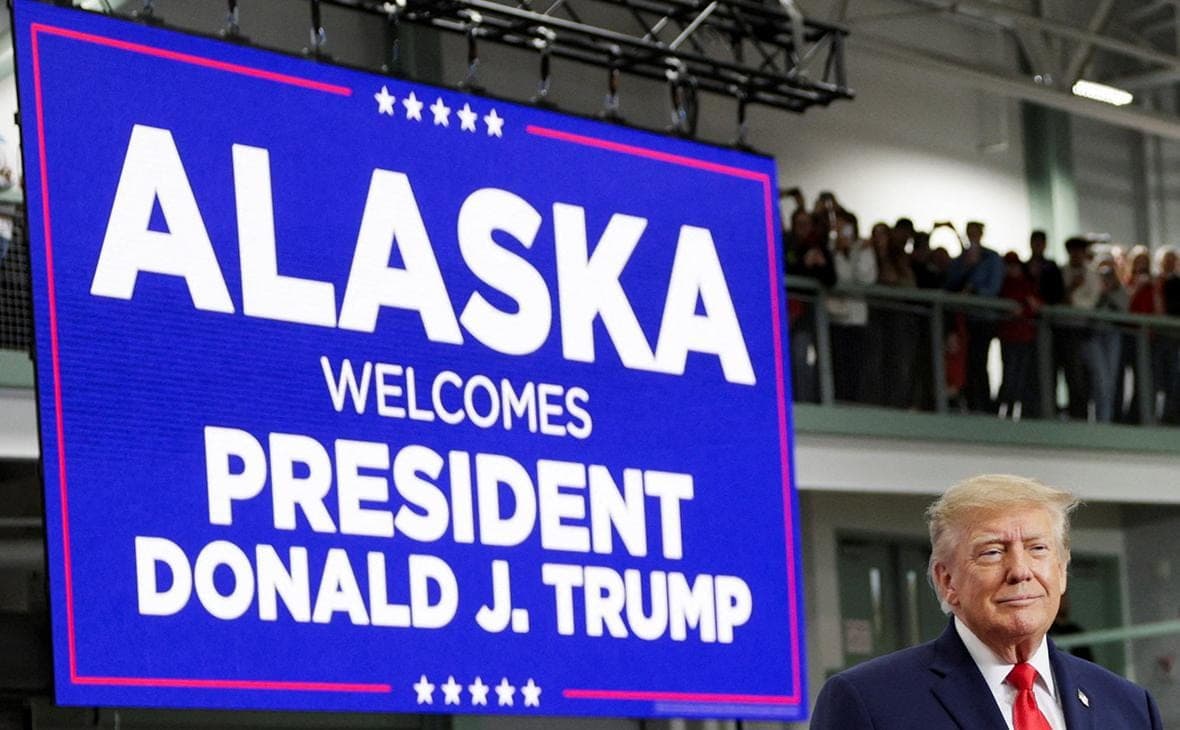
Taiwan has agreed to buy 30% of the gas that will flow through the Alaska LNG gas pipeline over the next 20 years, U.S. President Donald Trump said at a campaign rally in Wasilla, Alaska.
Taiwan has just agreed to buy 30% of the gas coming through the pipeline over the next 20 years. It guarantees success. This is one of the greatest commitments in history in any field. This is one of the largest deals ever made, Trump said.
He said Taiwan would also invest $4.4 billion in the project, in addition to the $50 billion South Korea has already pledged to provide. U.S. Commerce Secretary Howard Latnick, speaking at the same rally, also reported a $4.4 billion investment in Taiwan.
Alaska LNG will transport gas from northern Alaska to southern Alaska, where it will be liquefied for export. The project is designed to supply up to 20 million tons of LNG per year, Reuters writes. In March 2025, Taiwan’s state-owned CPC signed a letter of intent to buy gas and invest in the project, Taiwan’s Ministry of Economy reported.
Reuters also recalled that in February 2026, the Taiwanese authorities announced their intention to increase purchases of American gas to about a third of all imported volume and reduce supplies from other countries. Taiwanese President Lai Qingde has linked participation in Alaska LNG to ensuring the island's energy security.
The United States maintains unofficial relations with Taiwan and supplies it with weapons, while recognizing the Chinese government as the only legitimate government in China. Washington does not support independence and remains uncertain about its military intervention in the event of a conflict. After talks with Xi Jinping in May 2026, Trump said American policy on Taiwan had not changed.
Washington’s military cooperation with Taipei remains a source of disagreement with Beijing. In December 2025, the United States approved the sale of approximately $11 billion worth of weapons and equipment to Taiwan, including HIMARS, ATACMS missiles and drones. China, which considers the island part of its territory, in response imposed sanctions against 20 American military-industrial companies.
In May 2026, Xi Jinping called the Taiwan issue the most important issue in relations between China and the United States and warned of the risk of conflict if the wrong approach to it. At the same time, Washington and Beijing are negotiating on trade issues. In February, U.S. officials told The New York Times that the Trump administration had delayed announcing a new arms package to Taiwan in preparation for the U.S. president's visit to China.
