Lifetime for the organizer. How the murder of Tupac Shakur was solved
The organizer of the murder of rapper Tupac Shakur in 1996 was sentenced to life imprisonment. Revealing how the Las Vegas high-profile murder investigation progressed and how it was influenced by the Netflix series and the memoir of a former gangster
1996
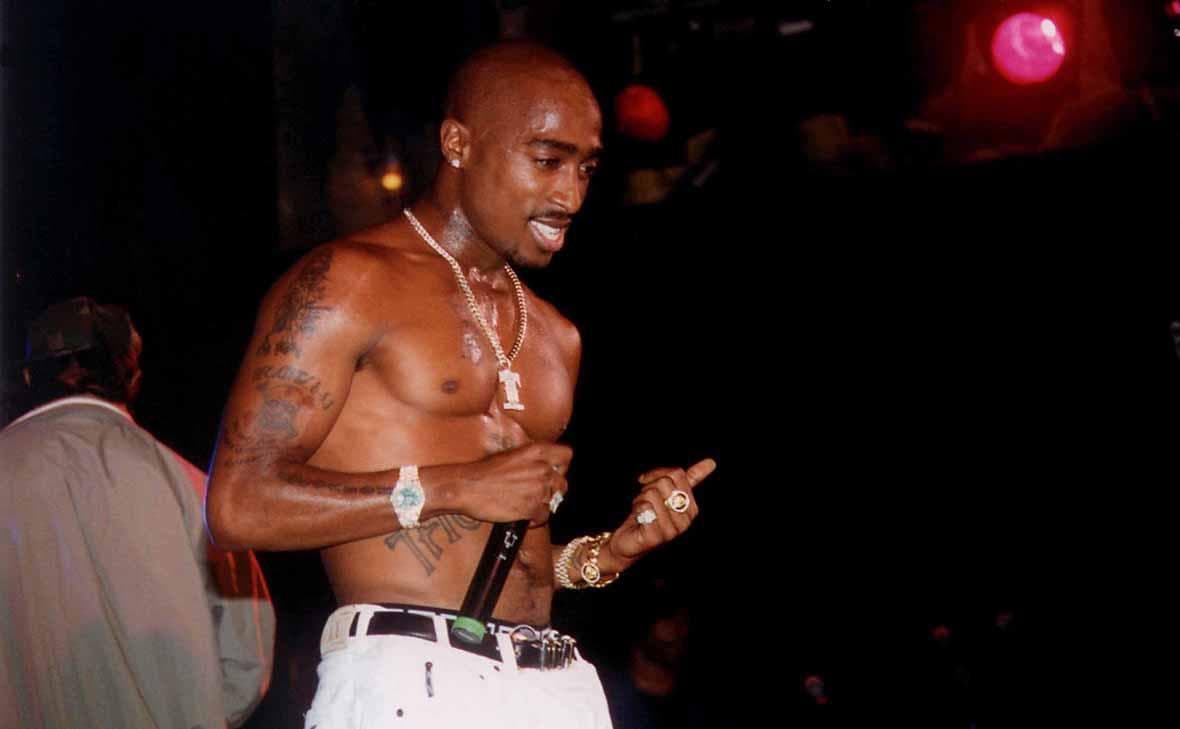
On September 7, 1996, Tupac Shakur and his associates associated with the Mob Piru Bloods came into conflict with Orlando Baby Lane Anderson, a member of the South Side Compton Crips. It happened after a boxing match between Mike Tyson and Bruce Seldon in Las Vegas.
The skirmish in the lobby of the MGM Grand Hotel was sparked by Mob Piru Bloods contestant Trevon Tre Lane recognizing in Anderson one of the attackers who had previously beaten him at a shopping mall in Lakewood. Shakur asked Anderson if he belonged to the South Side Compton Crips, then punched him in the face, later separated by hotel security.
Three hours after the fight, Tupac Shakur went to a club on Flamingo Road in a black BMW, driven by Death Row Records head Marion Sugh Knight. At 23:15 on the right side of the BMW stopped white Cadillac, from which there was gunfire. Shakur was wounded by four bullets: two in the chest, one of which hit the right lung, arm and thigh. Driver Knight was shot in the head by a shrapnel.
At the time of the shooting, Shakur's bodyguard was in another car, which the rapper insisted on - in case additional transport is needed to return to the hotel.
On September 13, 1996, Tupac Shakur died in hospital from his injuries at the age of 25. Sug Knight survived but refused to cooperate.
1997
On March 9, 1997, East Coast rapper The Notorious B.I.G. (Christopher Wallace, also known as Biggie Smalls and Biggie), who was considered Tupac Shakur's main rival, representing West Coast hip-hop, was shot dead in Los Angeles.
In September 1997, Anderson filed a lawsuit against the relatives of Tupac Shakur, seeking damages for beatings he received in a fight with the rapper in MGM Grand. The mother of the artist Afeni Shakur filed a counterclaim against Anderson, claiming that he fatally wounded her son. Anderson denied involvement in the crime.
1998
On May 29, 1998, Orlando Anderson died in a shootout in Los Angeles unrelated to Shakur's death. The rapper Anderson was not charged with murder, and police questioned him only once.
2009
During the investigation into the death of The Notorious B.I.G., police questioned Orlando Anderson's uncle - South Side Compton Crips gang leader Dwayne Keffe Dee Davis, who was with the rapper at a party shortly before the murder. During interrogation, Davis denied any involvement in the death of the musician, but in exchange for a promise not to press charges against him admitted that he was in a white Cadillac at the time of the shooting at the BMW with Tupac Shakur.
2018
In February 2018, the streaming platform Netflix released the series “Unsolved Case”, dedicated to the murders of The Notorious B.I.G. and Tupac Shakur. The project drew public attention to the unsolved cases and, according to an ABC News law enforcement source, gave additional impetus to the investigation.
In the same year, the BET television channel released the documentary “The Death Row Chronicles”, where Dwayne Davis said that Tupac Shakur was shot by a man who was in the back seat of a Cadillac, and he was in the front seat. Davis declined to give the gunman's name, citing "street code," but claimed Cadillac was run by Terrence T-Brown Brown, and behind were his nephew Anderson and DeAndre Big Dre Smith, all members of the South Side Compton Crips gang. Of the four, only Davis survived, Smith died in 2004 and Brown in 2015.
2019
In April 2019, Dwayne Davis, in collaboration with writer Yusuf Jha, released a memoir called Compton Street Legend, in which he spoke about his membership in the South Side Compton Crips gang. In this book, he stated that shortly before the murder of Tupac, Shakur took a Glock gun, sat down in Cadillac with three associates and went in search of the rapper. In his memoirs, Davis also said he had "thrown" a gun into the back seat of a Cadillac before the shooting. Davis did not say he opened fire on Shakur, the BBC reported.
“Tupac made a rash move by reaching for the bottom of the seat. He pulled out his belt, and that's when the shootout started. One of my guys from the back seat grabbed the Glock and started shooting back, Davis wrote. After the shooting, he said, they left the scene and then abandoned the rented Cadillac.
2023
In July 2023, Las Vegas police raided Davis' home on a warrant in the Shakur murder case. On September 29, Davis was arrested on charges of orchestrating the murder. According to the prosecution, he planned the shooting to avenge the beating of his nephew Anderson. Davis pleaded not guilty.
2025
Dwayne Davis during the testimony stated that the customer of the murder of Tupac Shakur and Sug Knight was rapper Sean Combs, known under the pseudonym P. Diddy, allegedly appointed a reward of $ 1 million for their murder. Combs was not charged in connection with the death of Shakur, he has repeatedly denied his involvement in this incident.
2026
On August 17, 2026, the trial of Dwayne Davis for the murder of Tupac Shakur began in Las Vegas. Key evidence of the prosecution was the memoir of the former head of the South Side Compton Crips. Davis and his defense stated that the book was not written by him alone, and some of the events in it were invented. Another surviving witness to the murder, Sug Knight, who is serving time in prison, refused to appear in court in the Davis case.
On August 31, 2026, a jury in Clark County, Nevada, found Davis guilty of orchestrating Shakur's 1996 murder. Under Nevada criminal law, a defendant is not required to pull the trigger directly to find guilty of murder.
On October 13, 2026, a Las Vegas court sentenced Davis, 63, to life imprisonment with the possibility of parole after 40 years. At the verdict, Judge Carly Kearney counted the 731 days Davis had already served in custody. After the verdict, Davis and his defense announced their intention to appeal.