
Bloomberg reported that India began to choose oil from Russia
Indian refineries are increasingly choosing Persian Gulf oil because of discounts and expensive delivery from Russia, writes Bloomberg. Peskov said that India, as a sovereign state, buys energy resources where it is beneficial for it
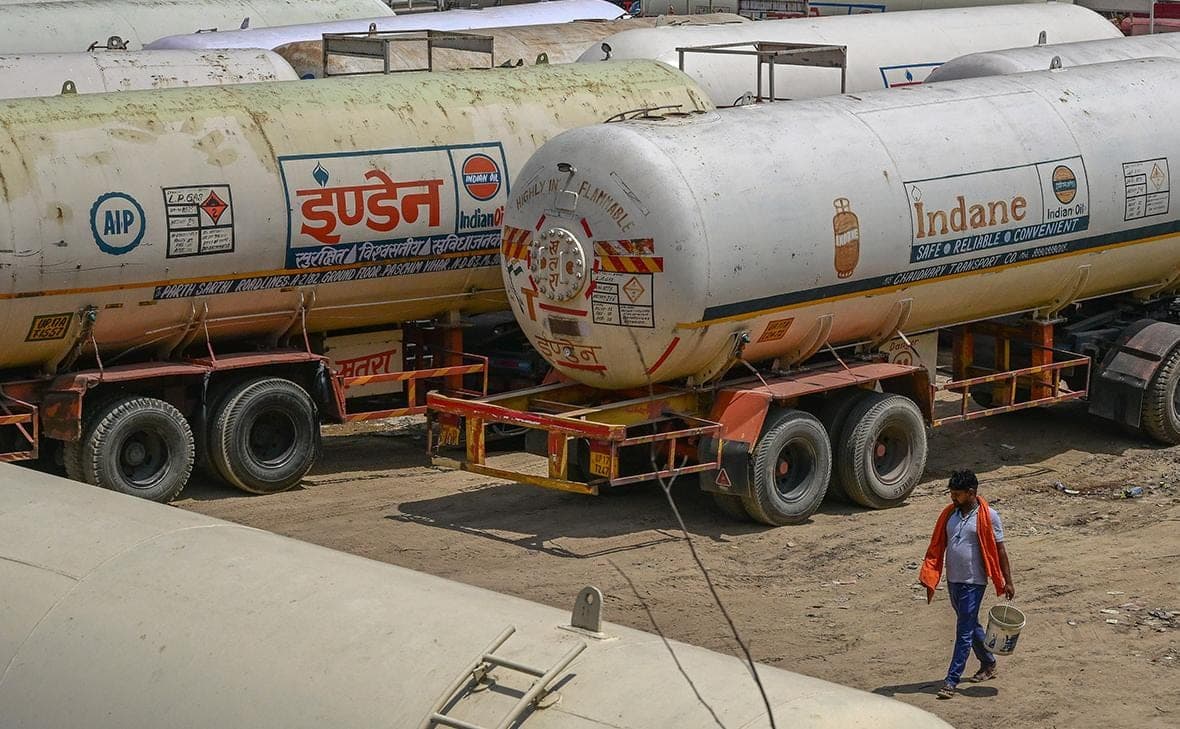
Indian refiners increasingly prefer oil from the Persian Gulf countries to Russian raw materials due to the rising cost of sea transportation and discounts provided by Middle Eastern countries. This is reported by Bloomberg, citing traders participating in the negotiations and statements of the heads of Indian oil companies.
According to traders, individual batches of Iraqi oil offer at a discount of more than $ 25 per barrel to the benchmark grade of oil Dubai Crude excluding delivery. Russian oil, for comparison, offered with a premium of about $ 2 to this standard, which reduces the attractiveness of purchases, said the Agency interlocutors.
“Due to the growth [price] of freight, we do not receive profitable offers from Russia,” said Vetsa Ramakrishna Gupta, CFO of the Indian state oil company Bharat Petroleum.
Discounts are offered by other manufacturers in the Middle East region. The trading division of Saudi Aramco recently sold individual batches of the Khafji variety at a discount of up to $10 per barrel to Dubai Crude. Oil company Abu Dhabi ADNOC earlier in October also sold batches of raw materials with a small discount, writes Bloomberg.
Hindustan Petroleum Chairman Vikas Kaushal explained that Gulf producers who have difficulty exporting oil offer discounts to offset the “astronomical” cost of freight.
In late September, Reuters reported on fears of Indian refineries due to competition with China for Russian oil. According to sources, Chinese buyers were willing to book lots in advance and offer higher prices. Against this background, Indian processors turned to alternative suppliers, including those from the UAE and Iraq.
Moscow said it was ready to continue energy cooperation with New Delhi. In September, Russian Ambassador to India Denis Alipov confirmed his readiness to meet the country’s oil needs. "Unfortunately, those who impose sanctions and tariffs have chosen the path of pressure instead of honest cooperation," the diplomat said, criticizing restrictions on Russian oil.
In August 2025, the US imposed an additional duty of 25% on Indian goods due to the purchase of Russian oil by New Delhi. On February 7, 2026, Washington abolished this surcharge: US President Donald Trump said that India had pledged to stop direct or indirect imports of oil from Russia.
In September 2026, Washington adopted new sanctions against Russia under the law named after the late Senator Lindsey Graham, providing duties for the largest buyers of Russian energy resources (including India). However, on October 16, Trump suspended the application of some of these measures. According to Secretary of State Marco Rubio, the pause is associated with negotiations on the settlement of the conflict in Ukraine.
Moscow called Washington’s demands to stop trading in Russian oil illegal. “We hear a lot of statements that are actually threats. Attempts to force countries to end trade relations with Russia. We do not consider such statements legitimate, said presidential spokesman Dmitry Peskov. In February 2026, he also noted that India had not notified Russia of its refusal to purchase oil.
Peskov stressed that India independently chooses energy suppliers. “India, as a sovereign state, buys energy where it is beneficial for India,” he said in December 2025. Moscow understands New Delhi’s desire to be guided by its own economic interests.
