WP spoke about the new “mysterious oil king of Venezuela”
Venezuelan billionaire Alejandro Betancourt has become a key oil partner of the Trump administration. Under the 50-year agreement, the US will receive 35% of his company and will be able to buy some of the oil produced at $30 per barrel
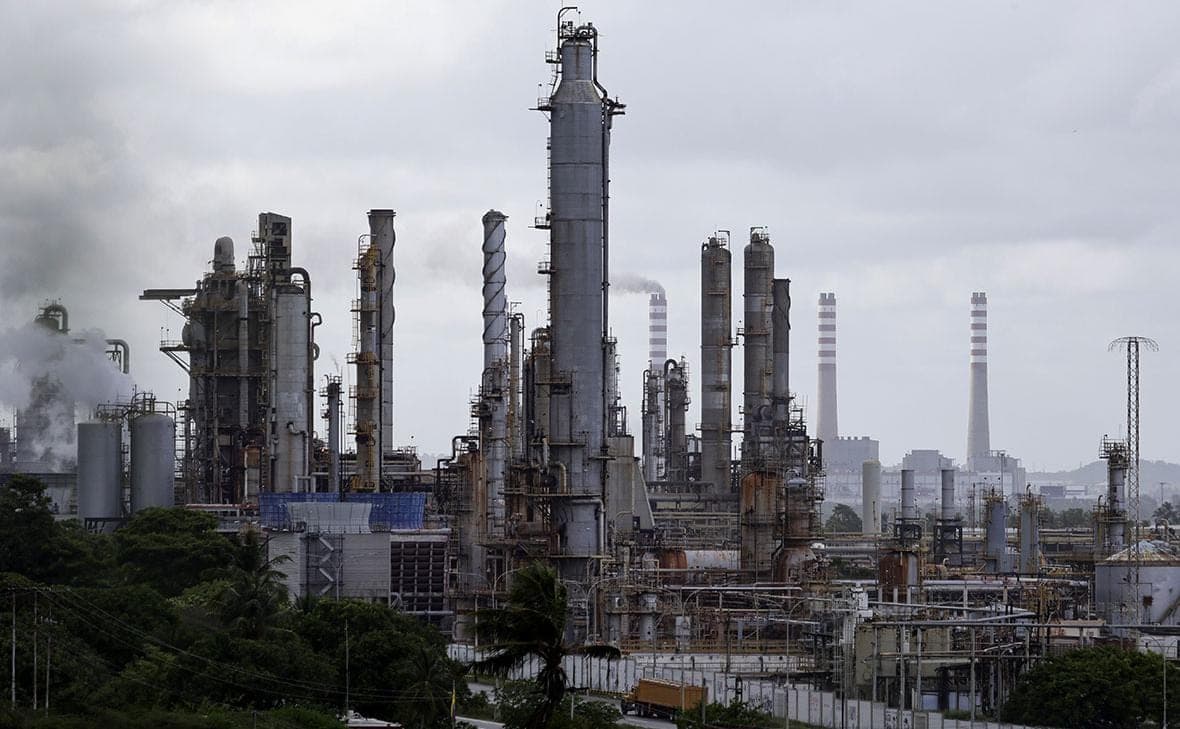
Venezuelan billionaire Alejandro Betancourt has become a key partner of the Donald Trump administration in the country's oil industry. With Washington’s backing, he’s building an oil empire with 63.7 billion barrels of reserves. In return, the United States will have a stake in his company and the ability to buy some of the oil produced at a reduced price. About the new “mysterious oil king” of Venezuela and his agreement with the American authorities writes The Washington Post.
Under the 50-year deal, the U.S. will receive 35 percent of Bettencourt’s North American Blue Energy Partners (NABEP) company “virtually free.” The entrepreneur also pledged to sell to Washington 20% of the oil produced at $30 per barrel - less than a third of the current market value. Venezuela will receive from 16 to 40% of production in the form of royalties, the specific figure depends on the location and type of field.
Betancourt is a controversial figure in Venezuelan business. In the past, he worked with the government of supporters of Hugo Chavez and was involved in the case of alleged embezzlement of public funds. He is also being investigated in Switzerland and Spain on suspicion of money laundering. The billionaire denies wrongdoing.
Mauricio Claver-Carone, a former Trump administration official in charge of liaising with Venezuela’s new government, attributed Betancourt’s choice to his efficiency and experience in successful oil projects.
Since returning to Venezuela in late 2023, Betancourt has increased production from 18,000 to about 223,000 bpd. By the end of the year, he expects to bring it to 275,000 barrels, and next year to 350,000. To develop the business, the billionaire intends to direct almost all the cash flow, which in 2026 will exceed $ 5 billion, for new projects.
The prospects of the agreement raise doubts among experts: the development of new fields in the Orinoco oil belt will require large investments and several years of work. Venezuelan opposition leader Maria Corina Machado also criticized the agreement, calling it not transparent enough, and allowed them to be revised if they come to power. Interim President Delcy Rodriguez, by contrast, supports the deal, calling it one of the pillars of his interim government.
At the same time, in early September, Bloomberg reported that the US-Venezuela deal to increase oil production by $100 billion was in question due to uncertainty about financing: Washington did not explain who would invest these funds in restoring the destroyed oil infrastructure of the republic and on what terms.
US President Donald Trump said on August 29 that Washington had agreed to control more than 65 billion barrels of Venezuelan oil through a partnership with private businesses.
Trump said the deal with Venezuela would more than double U.S. oil reserves, boost oil supply and lower gasoline prices in the long run.
Bloomberg, noting that the main private operator of the project was NABEP, also wrote that the company does not have enough resources to independently finance such a scale. In addition, some of the declared oil reserves are not reliably confirmed, and the restoration of infrastructure will require large investments and many years of work. To implement the project in full before the end of Trump’s presidential term in January 2029 can be difficult.
Later, the Financial Times wrote that Venezuela faced a shortage of skilled workers needed to restore the oil industry and increase production, despite the plans of the Trump administration and Caracas.