
Reshetnikov assessed the consequences of the refusal of Europe from hydrocarbons from Russia
The cost of electricity in Europe has become twice as expensive as in the United States, after the rejection of Russian imports, said Reshetnikov. The EU plans to stop oil and gas supplies from Russia by 2028. Moscow condemns Western sanctions
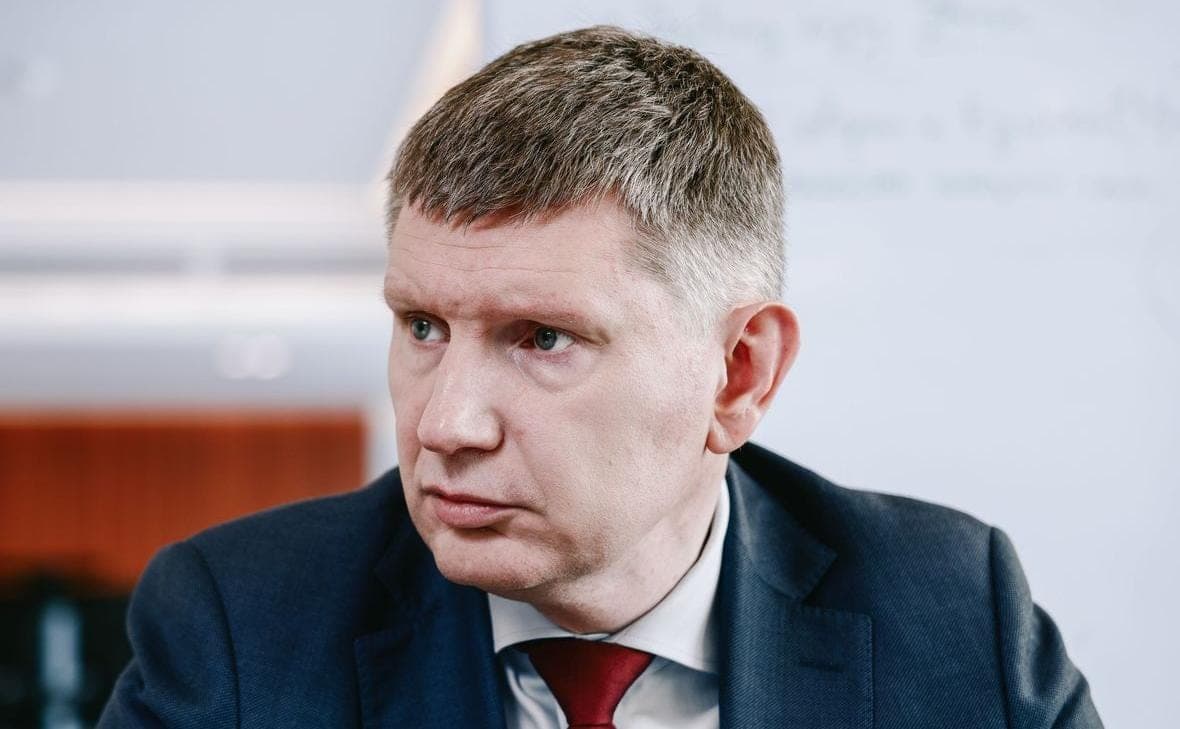
Europe’s rejection of Russian energy carriers and switching to American supplies led to a significant increase in the cost of electricity in the region, Russian Economic Development Minister Maxim Reshetnikov said in an interview with RBC TV channel following the APEC summit.
“As a result, the cost of electricity there in Europe is twice as expensive as in the United States. It has grown multiple times in recent years and continues to grow, he said.
Among the consequences of abandoning Russian hydrocarbons, the head of the Ministry of Economic Development also called the loss of industry and competitiveness in foreign markets by Europeans, including in China.
“The automotive industry missed the investment cycle, they missed the cycle of production of electric vehicles, and now they cannot catch up, reduce gas, chemicals and so on,” the minister explained.
Reshetnikov added that Europe is reacting to this with the introduction of duties, including under the slogan of climate. And now, unfortunately, many partners are forced to introduce carbon regulations at home in one way or another, as well as erect some barriers. That is, such a chain reaction, he said, noting that the European market is quite large.
The EU declares its intention to completely abandon Russian energy in the coming years. At a closed meeting, EU ambassadors supported a plan to stop importing Russian oil and gas by 2028. In March, European Energy Commissioner Dan Jorgensen called the idea of resuming energy imports from Russia a mistake.
The New York Times wrote that European defense and energy companies fear that Europe, by completely abandoning Russian gas, would give the US the opportunity to exert excessive influence over its domestic energy policy.
Russia considers sanctions against it illegal and ineffective. Deputy Chairman of the Security Council Dmitry Medvedev noted that the ban on imports of Russian gas will push Europe to critical dependence on gas from the United States. Kirill Dmitriev, the head of RDIF, the special representative of the President of Russia for investment and economic cooperation with foreign countries, believes that Europe needs Russian gas for “survival and hope.”.
