Karanik: the decisions made at the first WNC, largely allow us to discuss the record loaf
The All-Belarusian People’s Assembly was one of the key factors that ensured the further development of the country. The development continues, and the real...
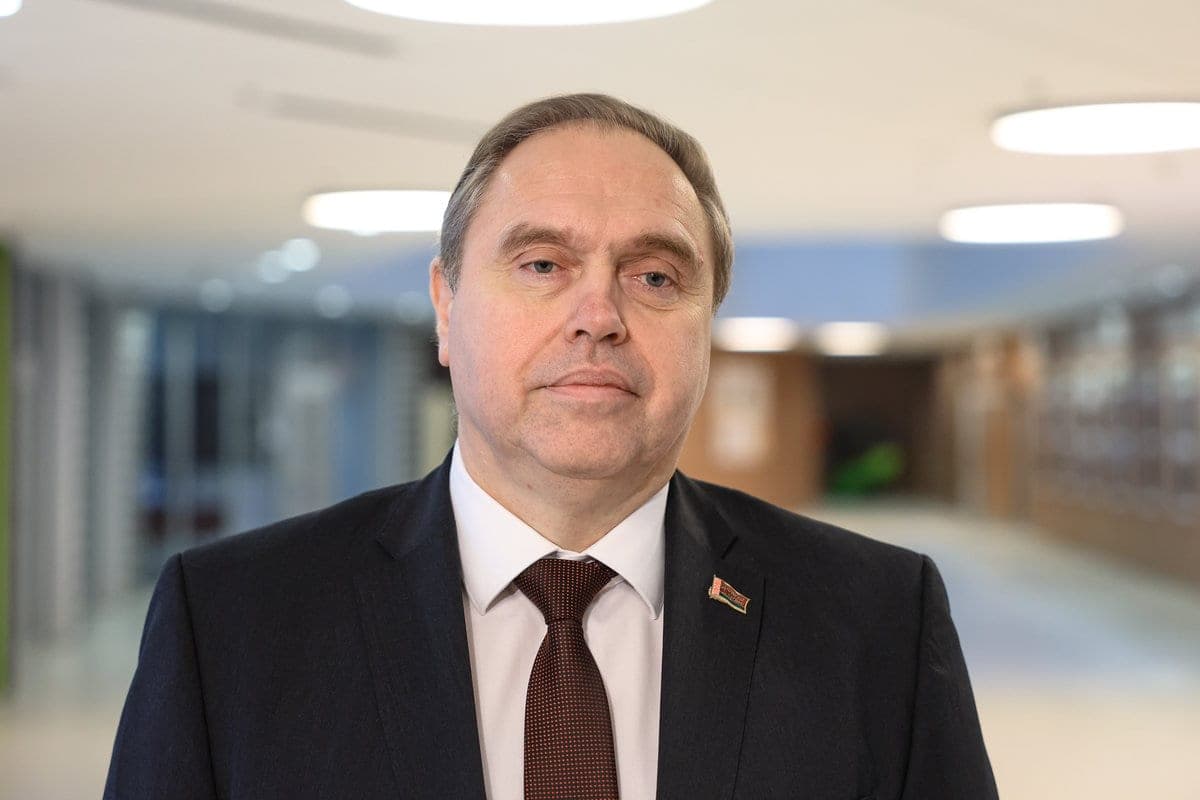
The All-Belarusian People’s Assembly was one of the key factors that ensured the further development of the country. At the same time, development continues, and the real sector of the economy should invest as much as possible in practice-oriented research and development. Before the meeting with the staff of the Development Bank of Belarus during a single day of informing, Chairman of the Presidium of the National Academy of Sciences of Belarus Vladimir Karanik told reporters today, November 19, the correspondent of sb.by reports.
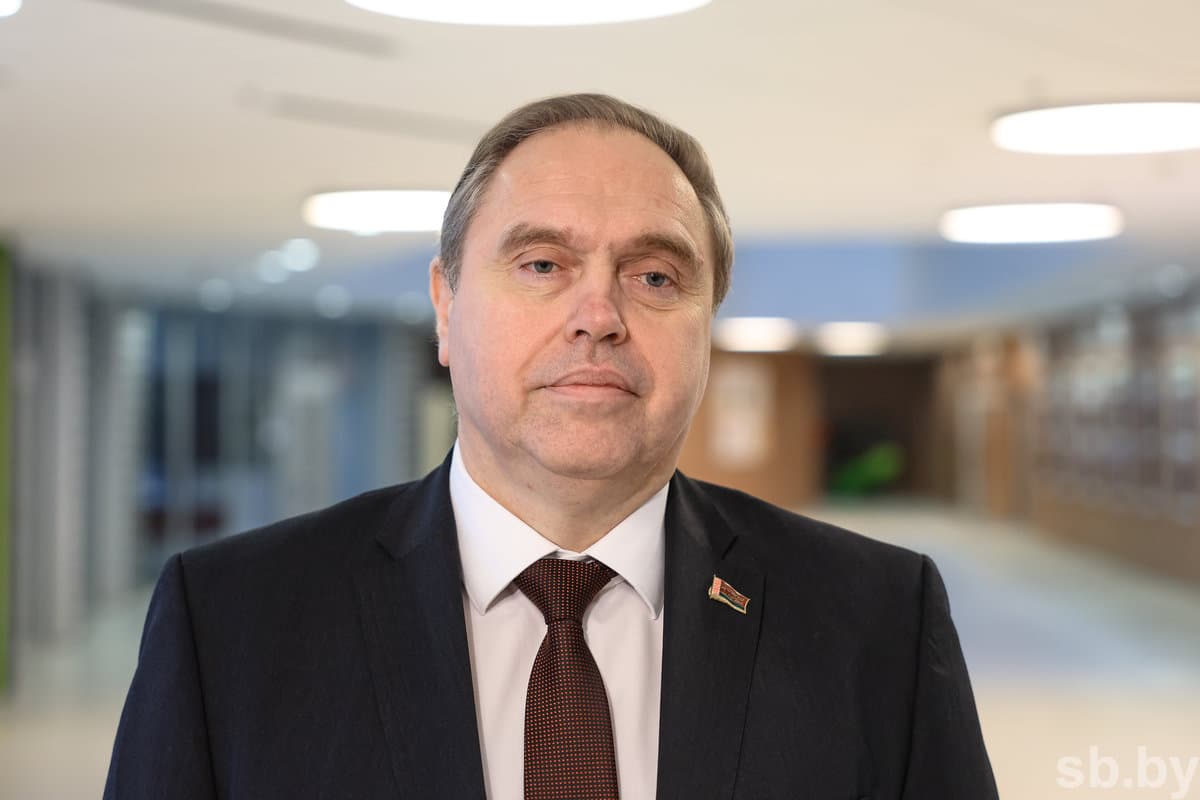
Vladimir Karanik suggested recalling the history – the time of the first All-Belarusian People’s Assembly, when the country really stood on the edge of a precipice, there was a total deficit and galloping inflation:
- But it is the decisions taken at the first WPC that largely allow us to discuss the record loaf of bread that our country has harvested this year. And also talk about food security and the constant growth of exports of agricultural products. It was the GNA that became one of the key factors that ensured the further development of the country.
Answering the question of the sb.by correspondent about how the practice-oriented work of Belarusian scientists and the interaction of the National Academy of Sciences of Belarus with such financial organizations as the Development Bank contribute to the symbiosis of success, Vladimir Karanik noted:
- Good mechanisms have been created that allow financing all areas of scientific, technical and innovative activities. It is a fundamental and applied science. In most cases, the implementation of innovative projects is accompanied by the support of financial institutions, primarily the Development Bank. But we strive to ensure that the real sector of the economy invests as much as possible in research and development, so that science and scientific development of the country are not only the task of the state, but also of enterprises of the real sector of the economy. And we are discussing with the banking sector how additional financial instruments will be developed that will allow more efficiently and more quickly to introduce scientific developments into the practical activities of our enterprises.
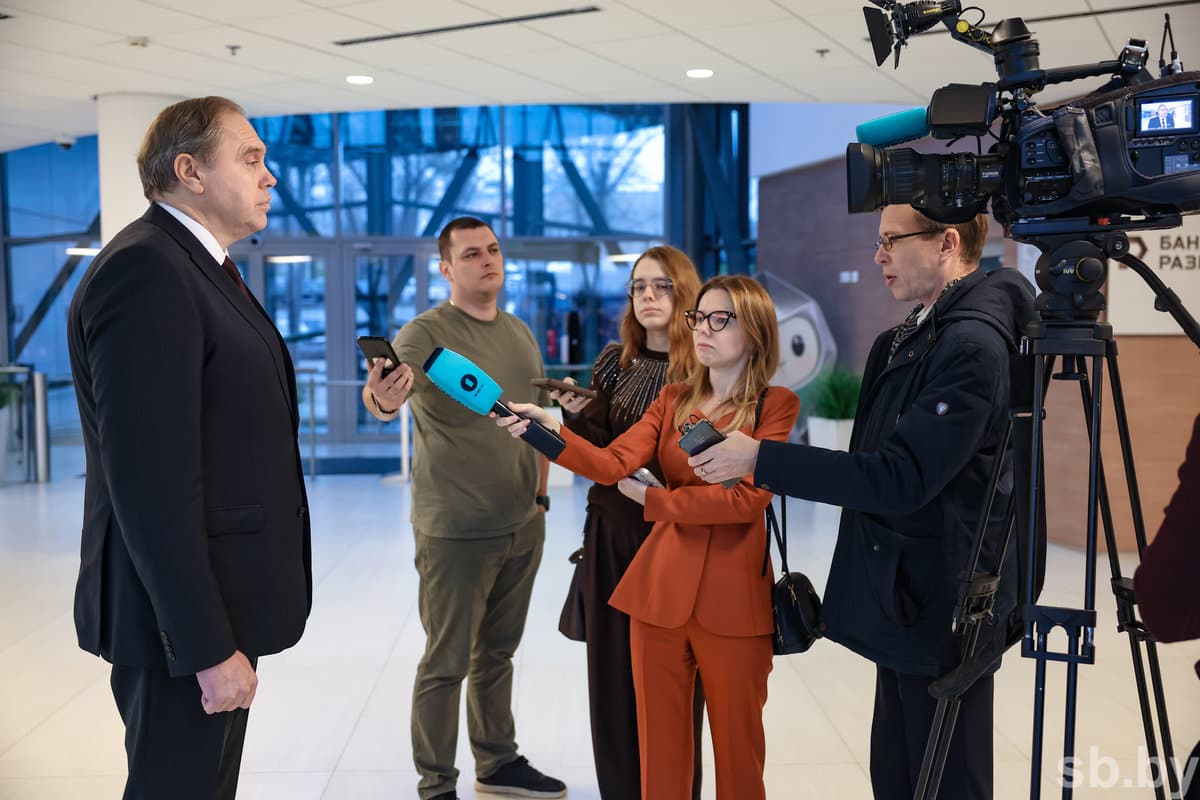
Already directly in the course of communication with employees of the largest banking institution of the country, Vladimir Karanik reminded that in the BSSR in the 1960s, the yield was 5-8 centners per hectare - and the republic was considered a zone of unstable agriculture, where it is in principle impractical to grow grain:
- Moreover, in Soviet times, if the farm provided milk from one cow 5,000 liters or more per year, the chairman was given the title of Hero of Socialist Labor. And now Brest region average yield - more than 8 thousand liters from one cow, in Grodno region - more than 7.5 thousand liters. In general, the figure of 5 thousand, I think, our country will exceed by the end of the year. That is, we can say that almost every worker in the agricultural sector by Soviet standards is already a Hero of Socialist Labor. At the same time, our products are known far beyond: 116 export countries! And this development of agriculture allowed a small Belarus to enter the top 5 countries in the world in terms of milk supplies to foreign markets, in the top 15 in terms of meat supplies: beef, poultry and pork. And all this is thanks to the well-coordinated work of workers in the agricultural and processing industries with the financial support of our banking institutions.
- I hope to have, as always, an open dialogue, to answer questions, to understand what topics – scientific and near-scientific – are of concern to our citizens. In order to close the gaps in information, to be inspired by new ideas and to enrich new areas of activity of the Academy of Sciences.
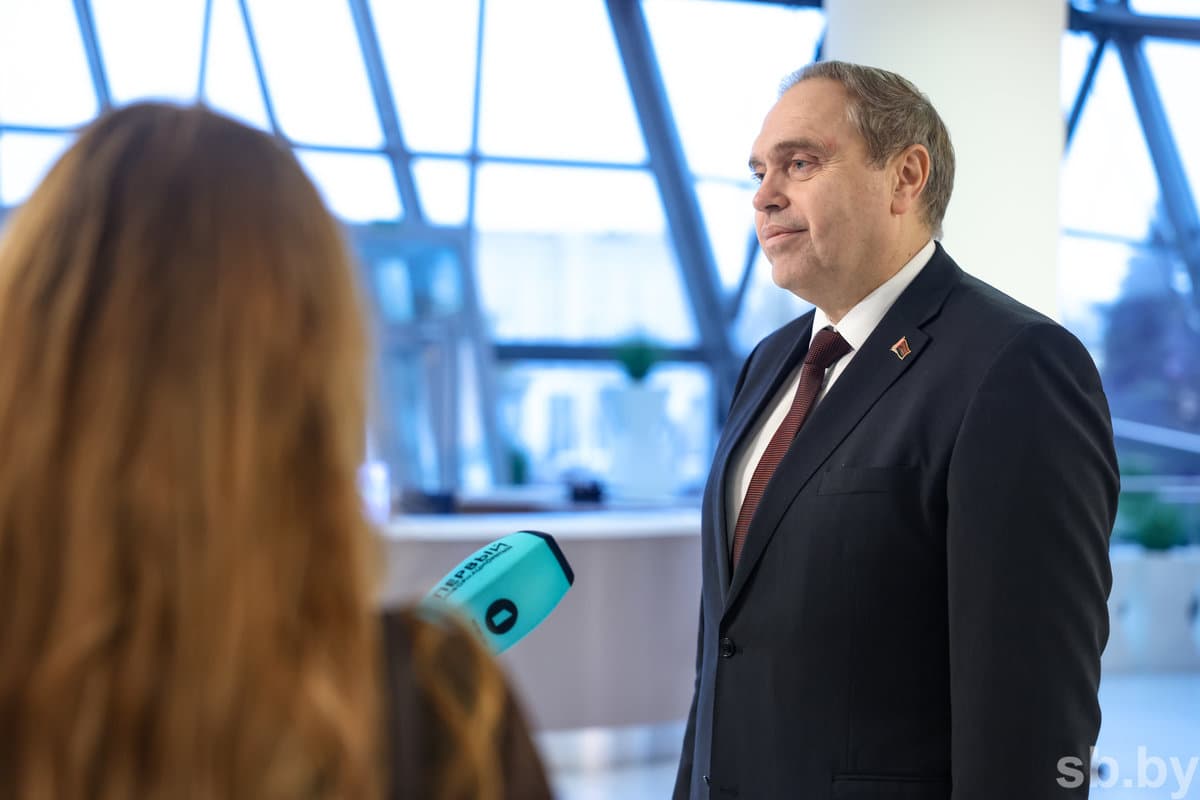
The Unified Information Day, held throughout the country on November 19, is dedicated to the country’s achievements in the agrarian sphere and the role of the All-Belarusian People’s Assembly. The conversation is especially relevant on the eve of the 3rd meeting of the SNC, which will meet on December 17-18 and will be held in the year of the 30th anniversary of the Assembly.