"The Way to the Caravan." See how in three regions of Belarus is sowing winter crops
“The Way to the Caravan” is a new project of “Signs” about different stages of growing grain crops. Throughout the year, our correspondents will talk about...
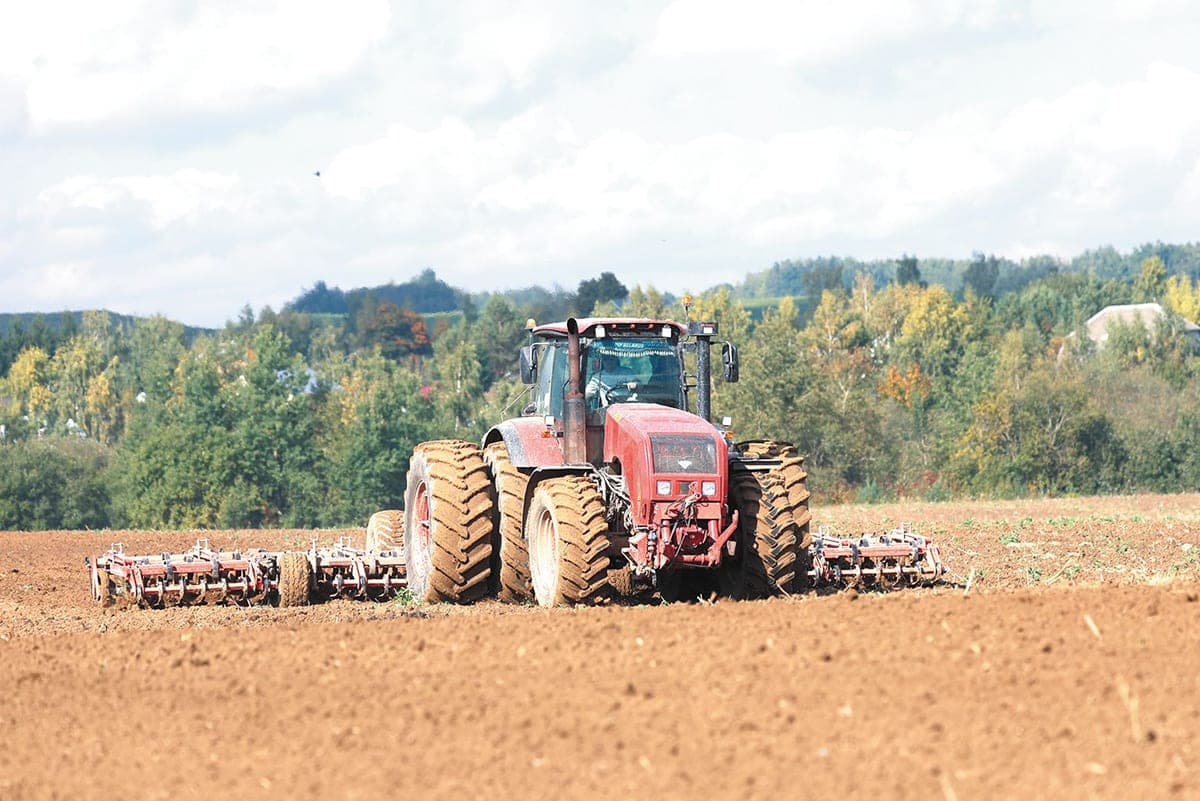
“The Way to the Caravan” is a new project of “Signs” about different stages of growing grain crops. During the year, our correspondents will talk about agricultural work at three enterprises in different regions of the country. We will show that behind the buns and bread, as we are used to seeing them on the shelves of shops, lies the difficult and painstaking work of agronomists, mechanics, harvesters and even cooks who feed farmers. In the farms passed through the equator mass sowing of winter crops for next year. To complete it in a timely manner is a super important task, since lateness is fraught with negative consequences. The Head of State drew attention to this on September 25 during a working trip to Logoi district: We must understand that we need to sow immediately. Not fast, not fast, just instantaneous”. We looked at how grain growers in Minsk, Grodno and Gomel regions cope, and learned what adjustments the vagaries of the weather make to their work.
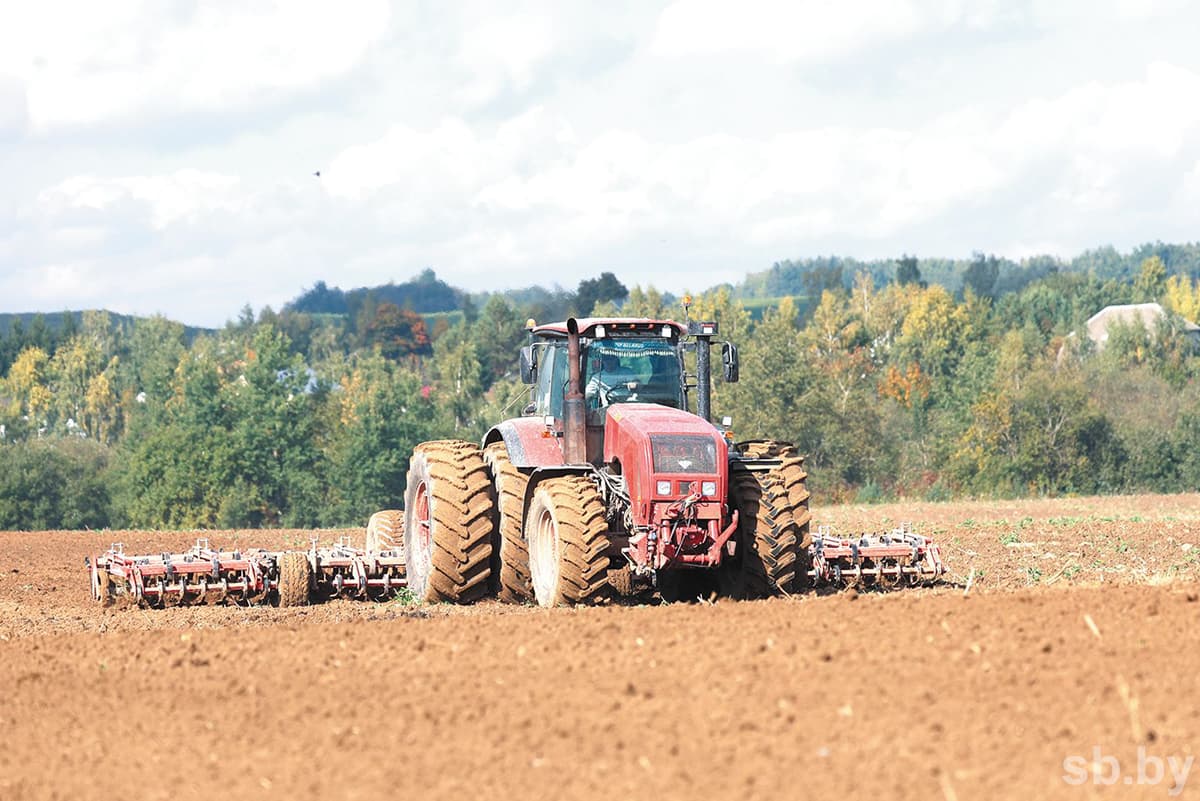
Cultivation - once, cultivation - two In agriculture, any mistake at the start can destroy the entire production chain. That is why the sowing of winter crops at the Zhdanovichi agricultural plant has now attracted maximum attention. With the onset of the weather days, work in the fields resumed. Approaching the site in the village of Gorodishche, we hear the hum of energy-saturated tractors. In order for wheat seeds to fall into soft and moist soil, it is leveled by cultivators. This process requires special vigilance and concentration, explains tractor driver Alexander Pental, working at the wheel of the tractor "Belarus-3522":
The technique is almost new: only four thousand hours of work. My task is to prepare the soil for sowing. Just plowing isn't enough. Cultivation is necessary to create a perfectly dense and even seed bed, preserve moisture and destroy weeds. How well the cultivation was performed, the harvesting will show: after plowing, furrows remain, which complicate the harvest, so now you need to level the ground. Last week, alas, the weather made its own adjustments - because of the rains, they worked mainly at the mehdvor: they prepared equipment, carried out minor repairs, eliminated problems. The work in the field began on Sunday, barely established dry weather.
While we are talking, the Gazelle passes by: it is a sign that it is time to eat. Hot lunches are delivered directly to the field. A distributor of special thermos pours borscht on bowls, applies mashed potatoes and chops. With an appetite for lunch, Alexander notes the skill and high class of chefs:
- The food is always good at home. By the way, we have two meals a day: in the evening there is still a hot dinner.
Alexander Pental got a job at the Zhdanovichi agricultural plant five years ago, having served in the army after graduating from the Lida State Professional Lyceum of meliorative construction. During this time he also improved his living conditions: he moved from a service hostel to a rented apartment in the suburbs of Minsk, the keys to which he was encouraged as a conscientious and responsible worker.
After handing over the dishes to the distributor, the mechanics return to work. The movement of tractors along the field resembles a dance in which every movement is thought out to the smallest detail. Following Alexander on a tractor equipped with a cultivator, his colleague Vitaly Levchuk passes through the field:
- Why is it necessary to cultivate twice? The first treatment is carried out to a depth of 10-12 centimeters: large clumps of earth are broken, microrelief is leveled, and oxygen is accessed to the soil. The second treatment is performed strictly to the depth of seeding - 3-6 centimeters. The cultivator creates a dense base at the desired depth and a loose layer on top.
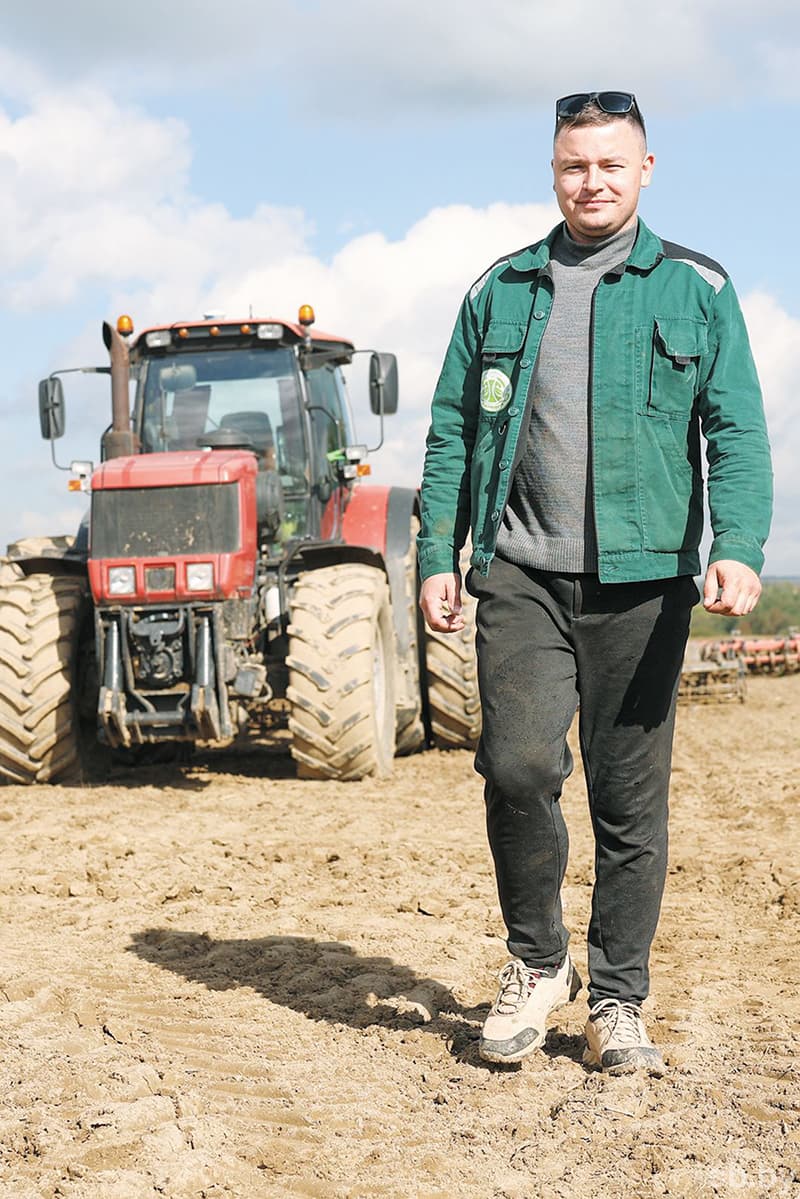
Tractor driver Vitaly Levchuk works at the wheel of the tractor “Belarus-3022” Further along the field there is a seeder: at the helm of the tractor Svetoslav Pankevich, one of the most experienced mechanizers of the agricultural plant. He has been working in the company for 30 years:
- I came to Belarus about 35 years ago. Most of them devoted to the agricultural plant "Zhdanovichi". You could say I put roots here.
The tractor is equipped with a trailer seeder, which due to the ease of travel and the width of the capture of 12 meters allows you to achieve high productivity, says Svetoslav:
- Previously, navigation was on markers, and now a GPS-navigator is installed on the tractor - in fact, control is via satellite communication. But no matter how smart the technique was, without human labor still can not do: the tractor or attachments can fail, and then the mechanizer will need to quickly eliminate the malfunction. For more serious repairs on the field goes repair team.
KSTATI
The company plans to sow 4205 hectares with winter crops and smell 5205 hectares. At the same time, winter barley was sown completely - 930 hectares were allotted under it.
In the SEC "Progress-Vertelishki" is now laying the foundation for the future harvest. Farmers in the morning and dark work to complete all the work on schedule. Experienced mechaniser Sergey Chalko, who has been working at the enterprise for about 28 years, we found working the soil, about which he knows without exaggeration everything:
- On the new tractor "Belarus-3522" I am engaged in pivotless tillage of the soil, in which the earth loosens without turning the upper layer. This is a new technology that we use. The optimal time for sowing is from mid-September to early October. If crops are planted later, they will not have time to grow stronger and may not overwinter. If you start earlier, they will grow. On a tractor with a capture width of a deep baking pot six and two meters, it is possible to treat the soil faster. A day on it you can plow up to 40 hectares of soil with a normal plowing of 25 hectares. It saves a lot of fuel.
The working day of Sergey Chalko begins at 08:00 and lasts until 20:00. For many years of work, the mechanizer realized how important it is to meet the deadlines in order to get a generous loaf in the summer. Therefore, he does not spare time and effort for the sake of a common goal.
On this field of 90 hectares, the agrarians of the Progress-Vertelishki SEC will sow winter wheat. They will do it as soon as Sergey Petrovich finishes thorough tillage.
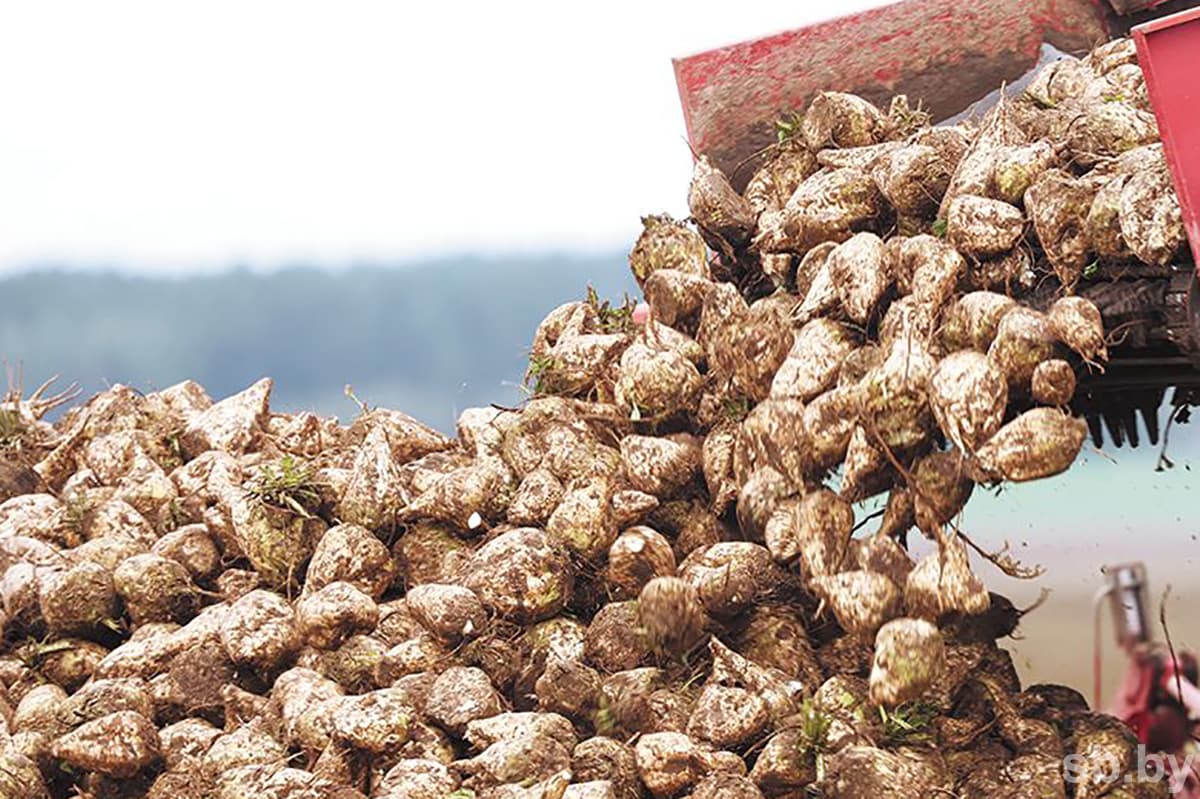
Across the road from the plowed field, another picture opened up to us. On the harvester along the beet field is an experienced mechanizer Alexander Pikulsky, who has been working on the farm for more than 20 years. Alexander Antonovich greets us from the cockpit:
- The mood's great! For autumn, surprisingly, the weather is not as moody as it could be. It allows us to go out into the field. My harvester is massive, it will pass everywhere. I repair it myself and prepare it for the exit. One field has already been completely removed. The yield of sweet root vegetables this year is excellent - 960 centners per hectare. That's more than last season. The dug tubers are taken for shipment closer to the road so that it is easier for trucks to take them to the Skidel sugar plant.
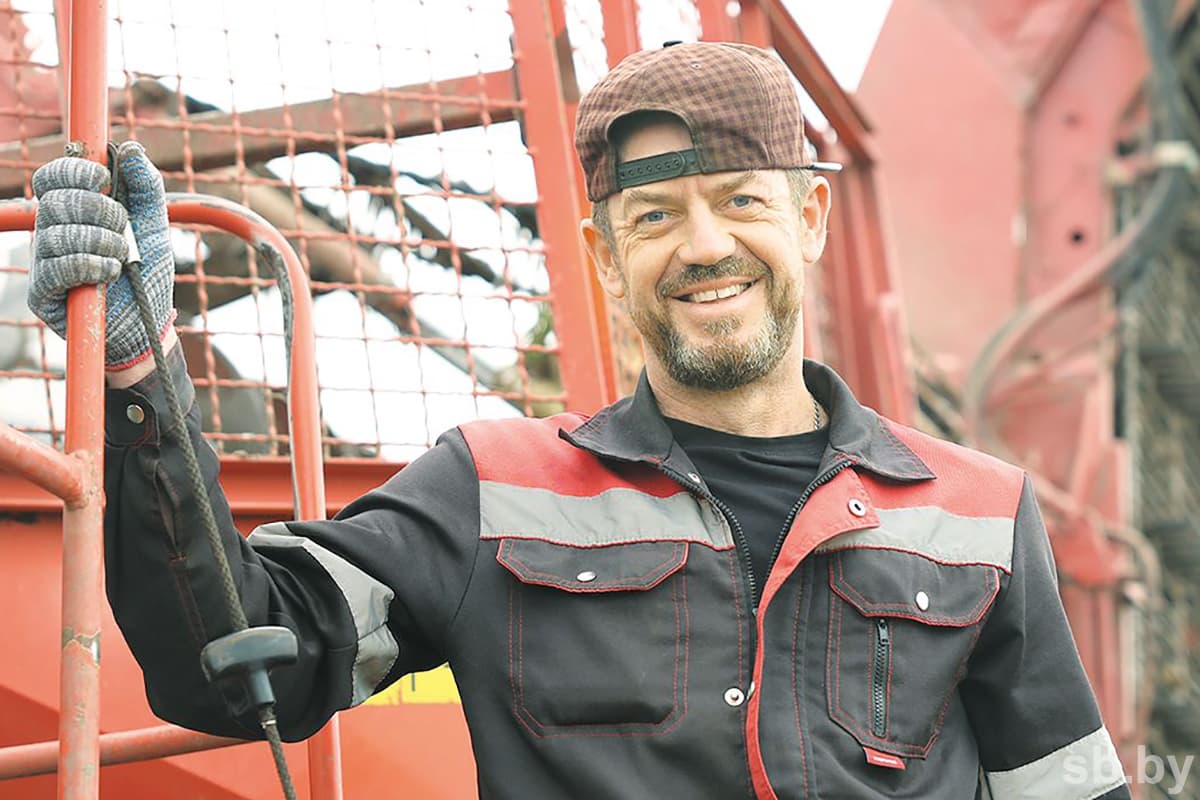
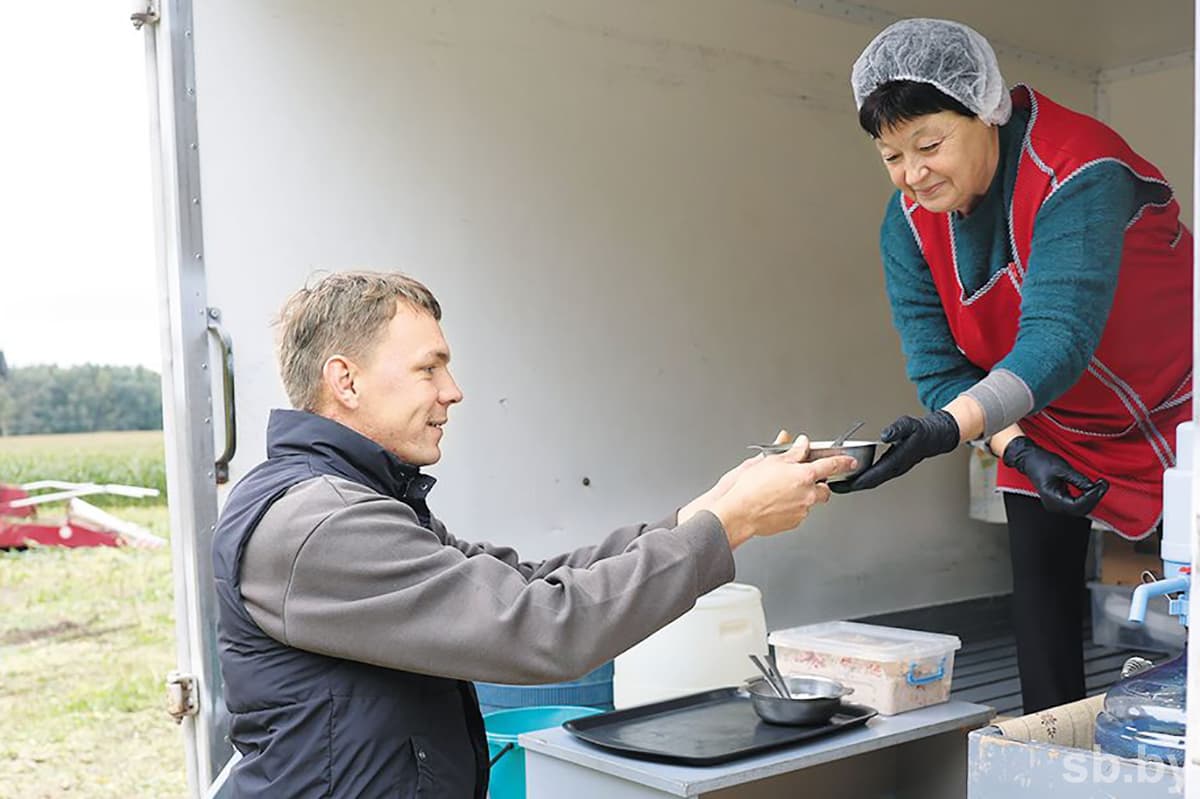
We're moving to the cornfield. It's 12:00. Workers brought a hot lunch, harvesters come from all sides. On the menu - pea soup and boiled potatoes with a chop. You can also take bread, a bun. Drinking water is available. Mechanizers quickly receive their portions and, having managed to spread a couple of phrases, return to the helm again: while it is clear on the horizon, one cannot miss a minute.
Andrey Savitsky this year for the first time removes corn. It took him a while to get used to the forage harvester, he admits:
- To preserve the nutrition of the feed, the combine has an additional special container, where we add a liquid preservative. In the process of work, it automatically falls into the obtained silo mass when unloading into a car that is traveling nearby. The speed of the harvester during cleaning should be about six kilometers. This will reduce the loss of grain and provide quality threshing of the crop.
So gradually in the SEC "Progress-Vertelishki" begins the way to the caravan of a new harvest. Everyone does his job in the area entrusted to him, trying to do everything on conscience. And although there is still a lot of trouble ahead, in every working day you feel the main thing - confidence in the result and pride in working on your land.
Gomel region AI in assistance in OJSC "Poultry Factory "Dawn" autumn sowing of winter crops came to the finish line. Since the enterprise operates on the principle of a closed cycle, each local hectare is the future feed base for poultry and the basis of the cost of production. After prolonged rains that watered the area for a week, local farmers try to use every fine hour. However, in the vagaries of the heavenly office there is an obvious plus: the moisture-filled soil is perfectly ready to accept seeds. It is in such conditions that winter plants give the most friendly shoots and manage to form a strong root system before the onset of winter cold. In order not to miss this moment, the work does not stop for a minute.
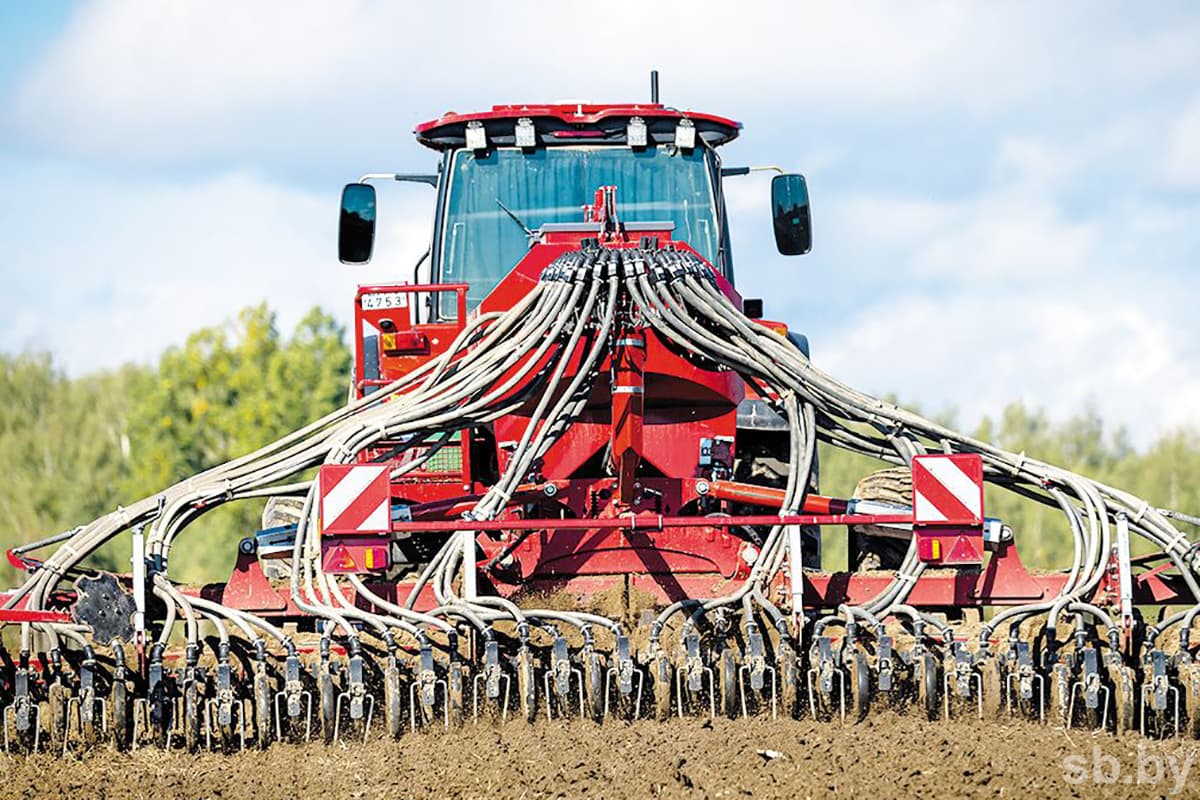
Under the winter grain wedge in the Gomel district, 800 hectares are allocated: 600 hectares will be occupied by barley and 200 hectares by rye, another 580 hectares are allocated for winter rapeseed. In parallel, sowing is carried out in the fields in the Dobrush district, where 1,100 hectares (600 hectares of wheat and 500 hectares of barley) are given for grain, and another 500 hectares are given for oilseed wedges.
How do digital technologies help coordinate processes on such land masses? Deputy Director for Technical Affairs and Energy Service Vyacheslav Babich demonstrates a working panel on a tablet with an interactive map:
- All equipment of our company is connected to the satellite navigation control system. The dispatcher and agronomists on the screens see the movement of each machine, the speed of movement, the exact fuel consumption and the amount of work actually completed. This completely eliminates unreasonable downtime of equipment and helps to quickly eliminate any problems.
At the same time, tractors use even more advanced technologies of precision farming: autopilot stability and automatic steering. The deputy head explains:
Autopilot leads the unit on a strictly defined satellite trajectory. As a result, we get a perfect straightness of rows, the absence of flaws and completely eliminate overlaps when the grain is sown over the already sown strip. At the current cost of high-quality seed material and mineral fertilizers, such jewelry accuracy gives a tremendous economic effect.
To see the technology in action, go to the fields. Among the smooth passages confidently leads MTZ-2122 Mikhail Lozko - a mechanizer with 27 years of experience. On this energy-saturated tractor, he works for the third year, so he managed to master the electronic assistant. Now the mechanizer carefully seals barley seeds into the soil.
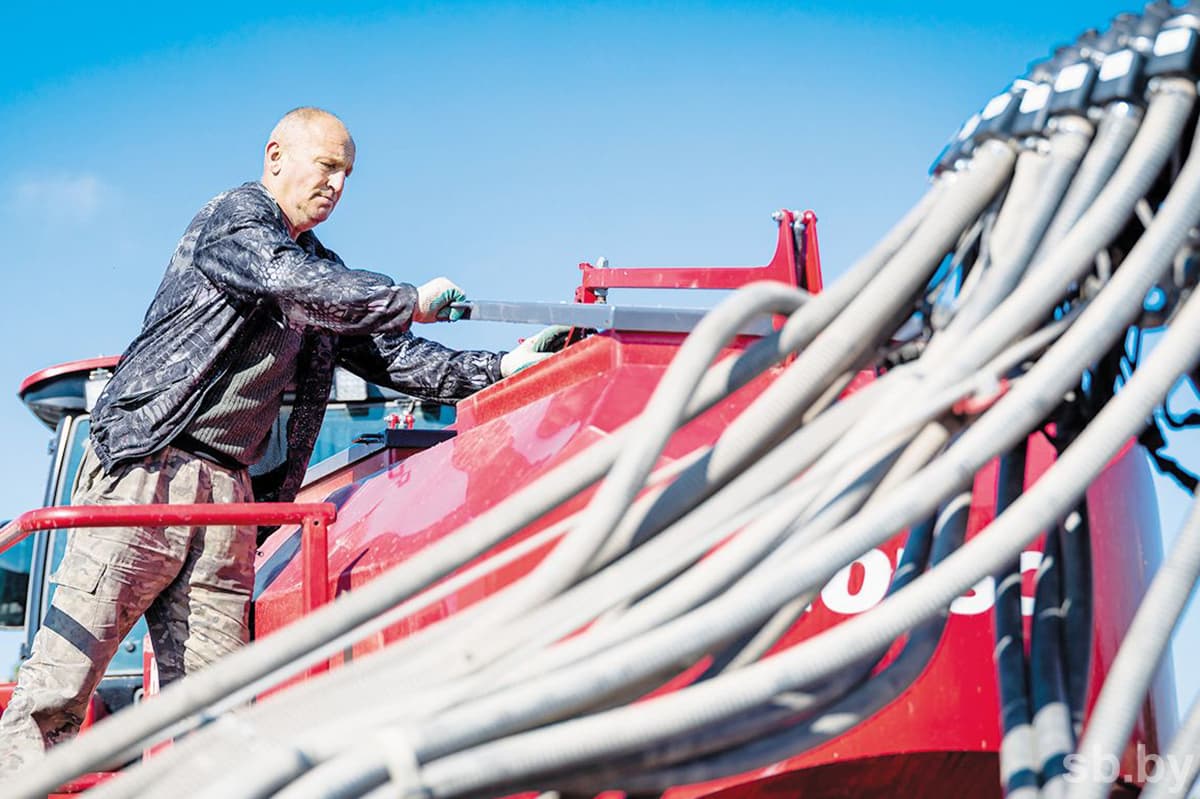
After completing the passage, the car slows down on the edge of the pen for refueling. Mikhail opens the cockpit door, on which a bright sticker “Autopilot Installed” is visible from afar, and invites you to look inside. First of all, points to the tablet and explains that before the start, it necessarily selects the desired field on the screen, sets the culture and sets the sowing rate. The system itself calculates the trajectory under the width of the seeder, freeing a person from the need to continuously catch the track with his eyes.
I wonder what it was like to go from the usual levers to touch screens?
- I'm fine. I'm no stranger to innovation. He came to agriculture as a schoolboy - from the eighth grade on vacation he worked as an assistant to the godfather, Mikhail recalls. - Then he graduated from the Gomel Agrarian and Economic College, served in the army and returned to his home economy. At first I went in assistants with experienced farmers, and over time I already sat behind the wheel. Before my eyes, the tractors were changing, so I quickly adapted to the on-board computers.
His colleague Stanislav Bereznyatsky has been working in Dawn for 11 years. The local himself, from the village of Klimovka. The decision to enter the tractor driver was made after representatives of the Khoinik PTU No. 183 came to the school and told about the specialties in demand, Stanislav recalls:
- I was interested. I spent ten months as a traffic driver. Then practice, practice... He returned to Klimovka to work on his native land.
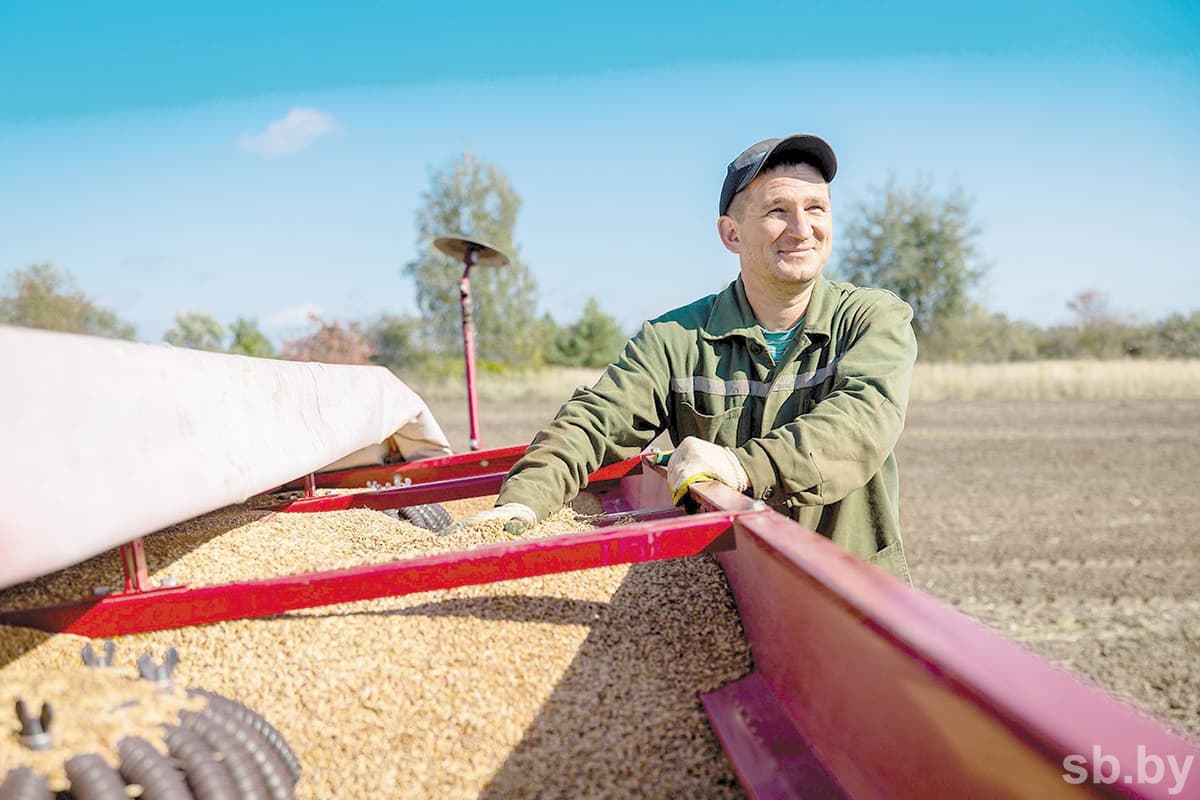
Tractor Stanislav "Belarus-1523" is a more familiar, classic line of equipment. The mechanizer admits that he is watching with great interest the technological update in the farm and is waiting for his upgrade:
- My equipment is now under the control of the GPS-navigator, and the automatic steering system I plan to install next season. I watch how Misha works, and I am envious in a good way: automation is a necessary thing, I am waiting for when I can try out the know-how myself.
The mechanizer has five children: the eldest son is 13 years old, the youngest daughter is not yet three. It is not possible to visit the house during sowing as often as we would like, but relatives know that the head of the family is busy with an important and necessary business. With such a busy schedule, every minute counts, so the company’s concern for people is valued especially, Stanislav concludes:
- Our conditions are excellent, it is a sin to complain. Hearty lunches are brought directly to the field, so we do not get distracted by household trifles. The kids are proud of me. When they go to kindergarten in the morning and they see me driving a big tractor, they wave their handles. For them, Dad is the main worker. For the sake of such fatherly authority, it is worthwhile to lay out in the fields from dawn to darkness.
derzhanovich@sb.by,
karnilovich@sb.by,
vaschenko@sb.by