
Musk takes aim at new lands at SpaceX spaceport in Texas
Elon Musk's SpaceX is in talks about a possible acquisition of land with a total area of about 486 hectares near its spaceport in Texas
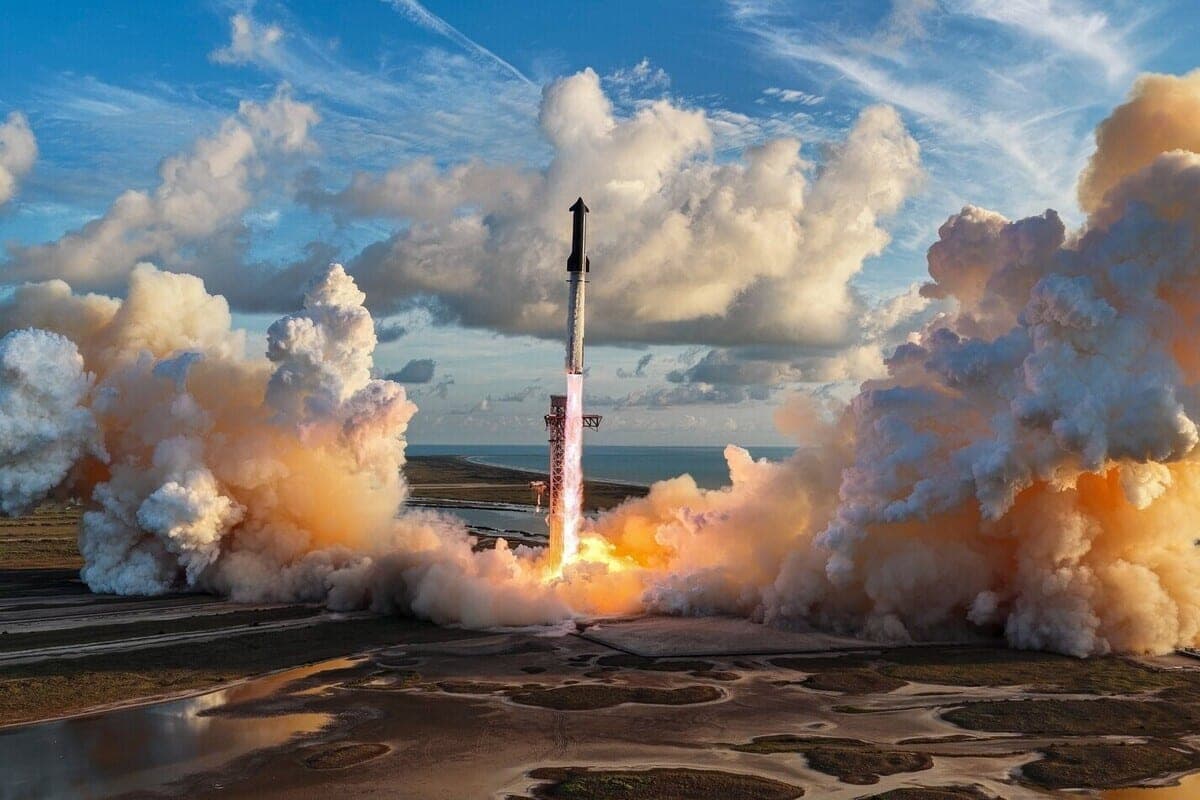
Elon Musk’s SpaceX is in talks about a possible acquisition of land with a total area of about 486 hectares near its cosmodrome in Texas. The beach of Boca Chica is not among the objects of the proposed transaction and will remain a public territory. This was reported by the press service of the company.
It is about 1,200 acres of land managed by the Texas Department of Parks and Wildlife. SpaceX explained that they intend to keep about half of this territory - 243 hectares - under a permanent environmental easement, excluding construction.
The company noted that the areas of interest are mainly coastal dunes and muddy shoals. There are no tourist routes, campsites and other infrastructure for recreation.
One of the arguments in favor of acquiring land SpaceX called the safety of the space complex. According to the company, unauthorized persons enter the working areas through the territories that are under the authority of the state Department.
In addition, the proceeds from the transaction, the authorities of Texas will be able to direct the development of parks and recreational areas in the Rio Grande Valley.
The Boca Chica Cosmodrome is located in Cameron County near the US-Mexico border. At Starbase, the company develops, manufactures and tests the Starship spacecraft and Super Heavy rocket. There is also the headquarters of SpaceX.
Court disputes have previously arisen around the activities of the cosmodrome. In May, 80 Texas residents filed a lawsuit against SpaceX, saying missile tests caused damage to their homes due to sonic booms.
In addition, the state Supreme Court has been considering proceedings over authorities' powers to temporarily restrict access to Boca Chica beach during space launches.
In 2025, residents of Starbayz, where the spaceport is located, voted to register the settlement as a city. According to The Wall Street Journal, 212 out of 218 voters supported the initiative.
