The Brest Regional Executive Committee summed up the development of the region for nine months and identified tasks for 2027
The results of the implementation of the program of social and economic development of the Brest region for 2026-2030 for nine months and the main indicators for the next year are the following:.
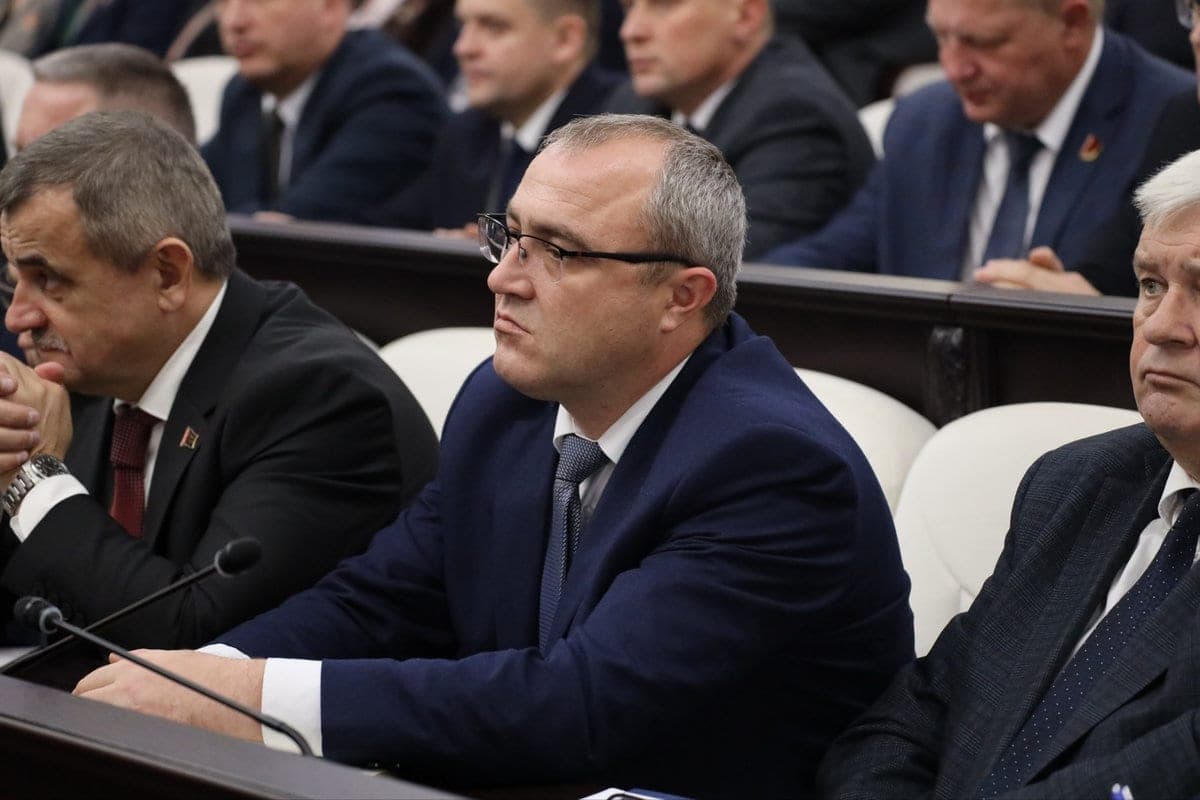
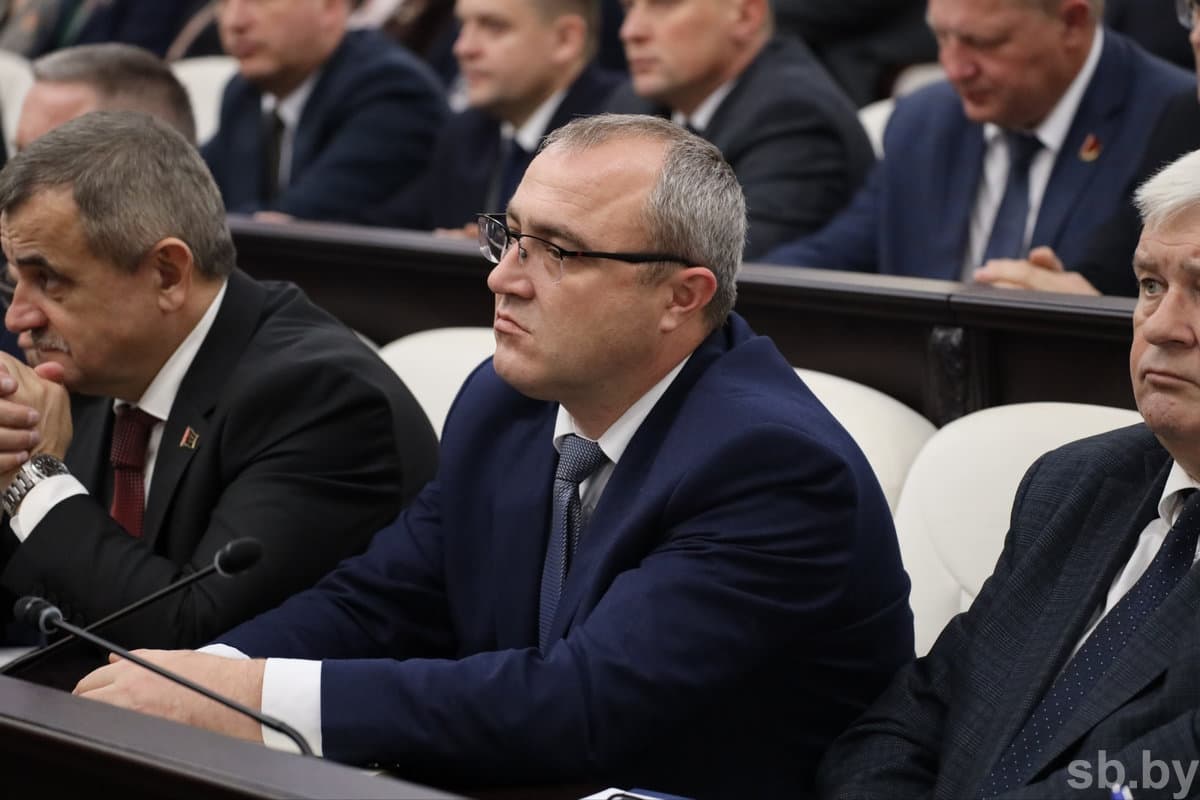
The results of the implementation of the program of social and economic development of the Brest region for 2026-2030 for nine months and the main indicators for the next year were considered on November 17 at a meeting of the regional executive committee. The discussion was attended by Minister of Economy Yuri Chebotar and delegates of the All-Belarusian People’s Assembly. Together, we assessed how the planned plans are being implemented, which projects are already giving a boost and where it is necessary to accelerate the work, the correspondent of sb.by reports.
For nine months, the gross regional product of the region amounted to 28.237 billion rubles, an increase of 3.4 percent compared to the same period last year. 5.5 billion rubles of investments were allocated for infrastructure and development of potential of districts. The priority for the future is new production facilities, modernization of enterprises and creation of comfortable living conditions in cities and districts.
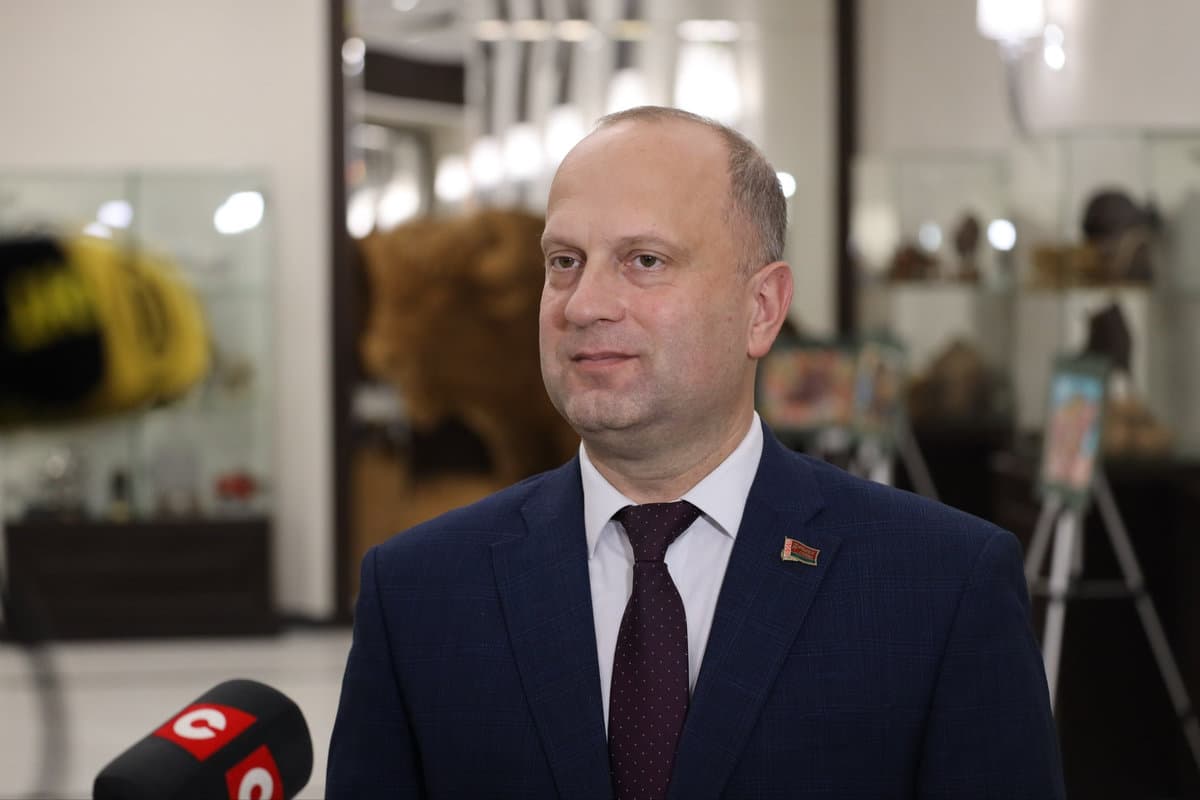
Economy Minister Yuri Chebotar reminded that the development of strong regions is one of the priorities of the current five-year plan
- First of all, it is to increase competitiveness through the implementation of investment projects. For Brest and Gomel regions, such a highlight was the development of Pripyat Polesie. The program is multifunctional, multisectoral: it is increasing the competitiveness of agriculture, and the development of new industries, and tourism. During the year, a number of projects began, including the construction of a bridge across Pripyat.
The construction readiness of the bridge is 28 percent. The development of Polesie districts is one of the areas of work under the priority “Strong regions”. Another is the support of the satellite city of Zhabinka, where more than 14,000 square meters of housing have already been commissioned this year, and the engineering and transport infrastructure is being updated.
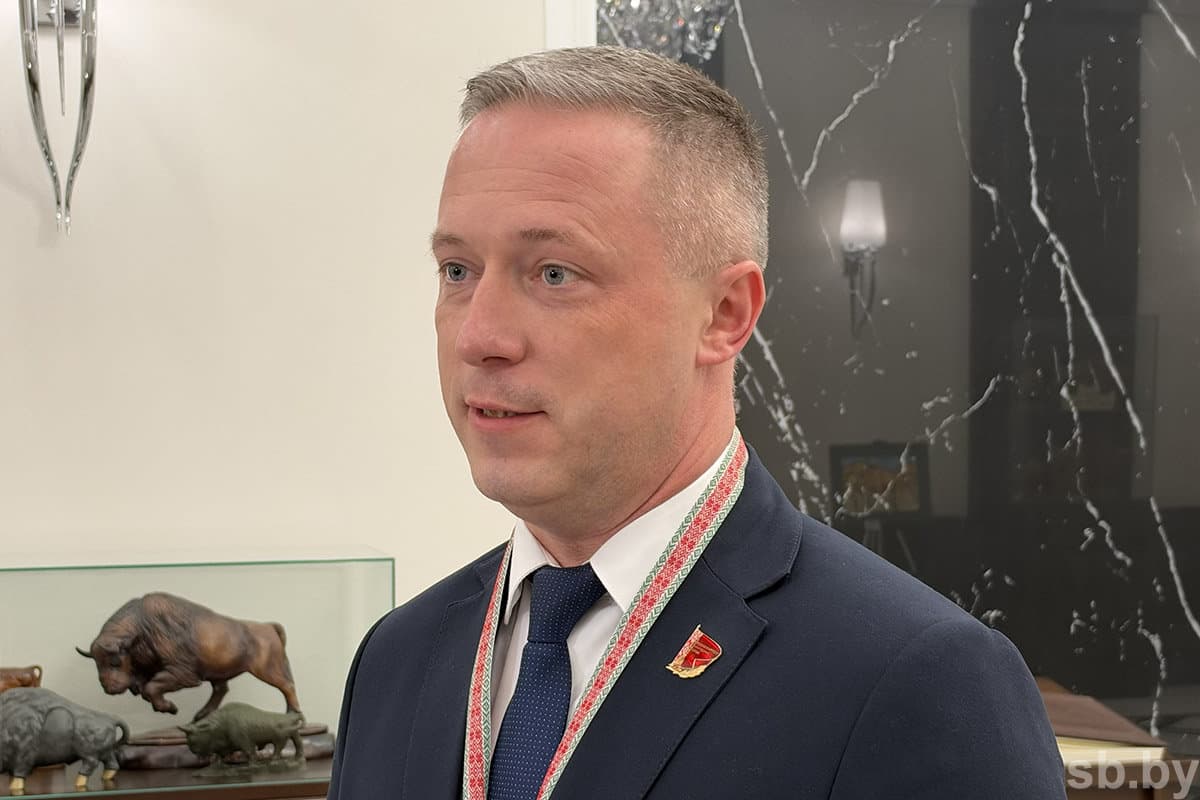
Baranovichi also has its own growth projects. A joint venture with Chinese participation is operating here, new residents of the technopark are appearing, and the modernization of enterprises continues. Chairman of Baranovichi City Executive Committee Maxim Antonyuk said:
- In the new building of the technopark, another resident appears, who starts organizing production. It will be launched next year. Also, the project was successfully started at the Baranovichi Auto Unit Plant - for the production of the front axle for MAZ buses. Equipment is being purchased and repairs are beginning. All this is done to make people comfortable to live, to have decent jobs and social conditions.
In parallel, the city solves the problems of the social sphere. In December in the district Borovka plan to open a kindergarten for 280 places, which will completely cover the need of the district in preschool institutions. For a new magnetic resonance imaging machine, the previously unused building of the city hospital was reconstructed, equipment was installed. A maternity hospital project has also been developed.
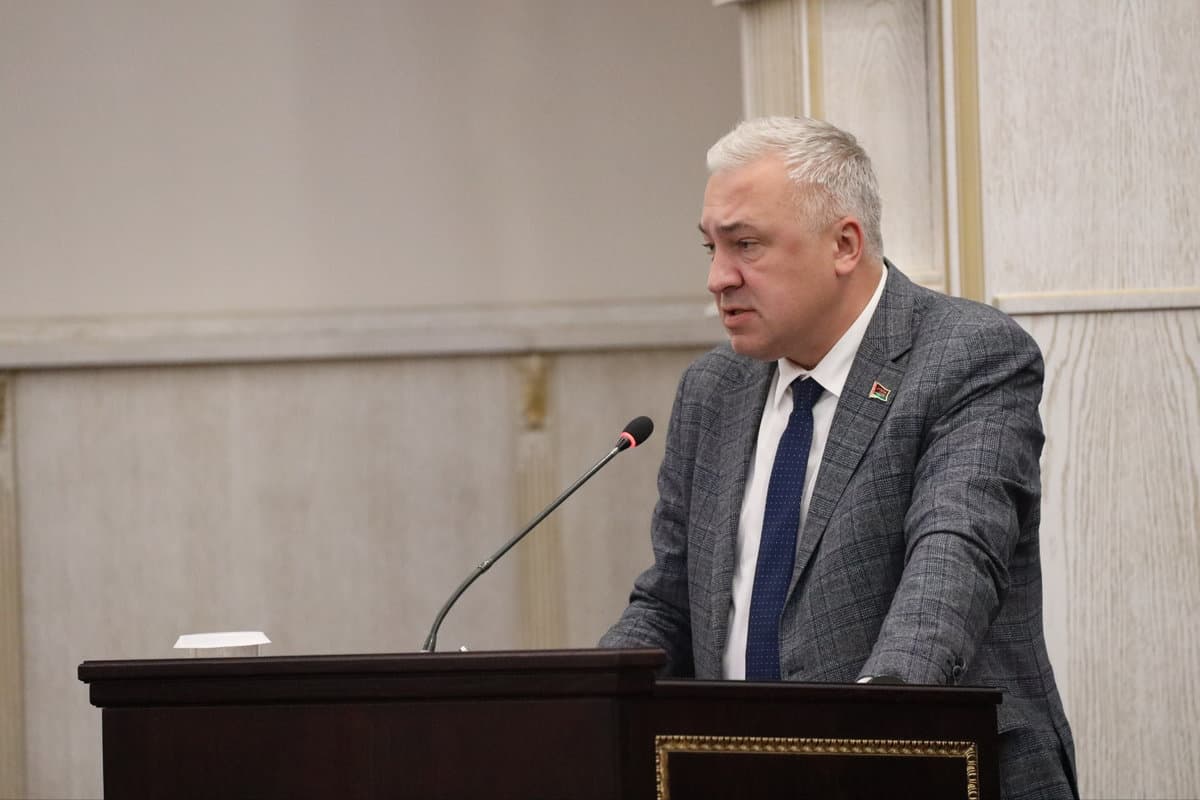
Discussion of the first results of the five-year plan with the delegates of the WNC made it possible to link regional indicators with the situation in specific territories. It is important not only to increase production and investment, but also to see what changes are happening in people’s daily lives. This guideline was outlined in the report by Deputy Chairman of the Regional Executive Committee Mikhail Batsenko:
- The main reference point, of course, remains the social well-being of citizens. It’s not just about income levels. No less important is the real quality and accessibility of basic goods: housing, medicine, education, leisure and services. Together, we must strive to make positive changes felt by everyone in the region. And for this, it is necessary to clearly and fully implement plans for all selected priorities.
Average wages in the region amounted to 2,646.6 rubles, real rose by 9.1 percent. For nine months, 406.7 thousand square meters of housing were introduced, including 92.7 thousand with state support. 3,724 families improved their living conditions. 1024 rental apartments were built for teachers, doctors and young professionals.
At the same time, the meeting identified issues that require additional attention. The region is lagging behind on 29 investment projects, including 11 dairy complexes. Next year, the task was set to accelerate the launch and commissioning of facilities. More than 8.5 billion rubles are planned to be spent on production projects and infrastructure development, ensuring an increase in investments by 3.1 percent. The target growth rate of GRP is 101.8 percent.
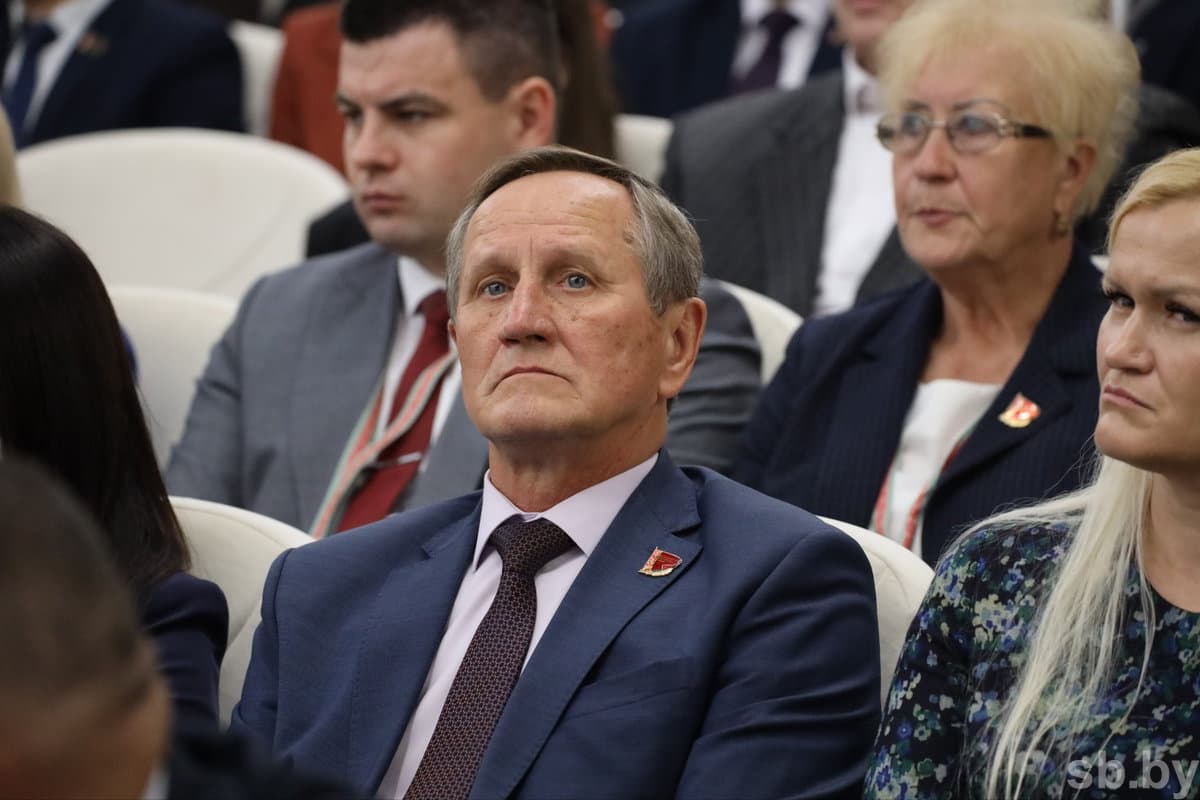
For agricultural Brest region, the return of land to circulation is of particular importance. VNS delegate from Zhabinkovo district Petr Voinovsky, who devoted many years to land reclamation, drew attention to the need to restore systems and constantly care for them:
The land is the main source of wealth of the rural worker, and we, land reclamators, should be the main allies of the grain grower. Growing livestock, so you need a feed base. And by returning the land to a second life, we create conditions for obtaining high yields. Without this work, effective agriculture is impossible.
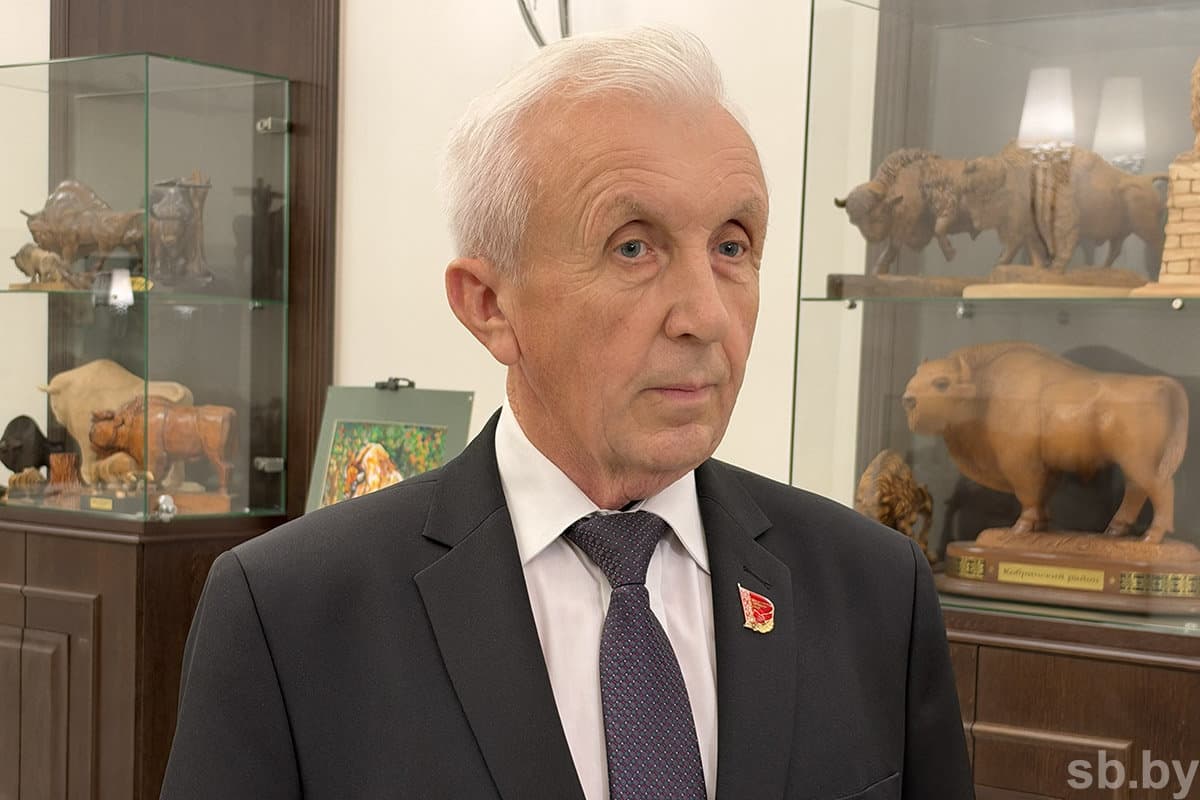
Another issue on the agenda was the formation, storage and effective use of stabilization funds. In the off-season 2026/2027, 20,170 tons of fruit and vegetable products are provided, including 4,719.8 tons for the social sector. For the first time in the state order included tomatoes and cucumbers. We discussed not only the volume of reserves, but also their safety and use - uninterrupted supply of products in the off-season depends on this. Investment projects, infrastructure, housing construction: Chebotar - about the tasks for the Brest region for 2027