Named Russian cities with the highest purchasing power of wages
New Urengoy (YANAO) for the fifth consecutive year ranks first among Russian cities in terms of purchasing power of wages
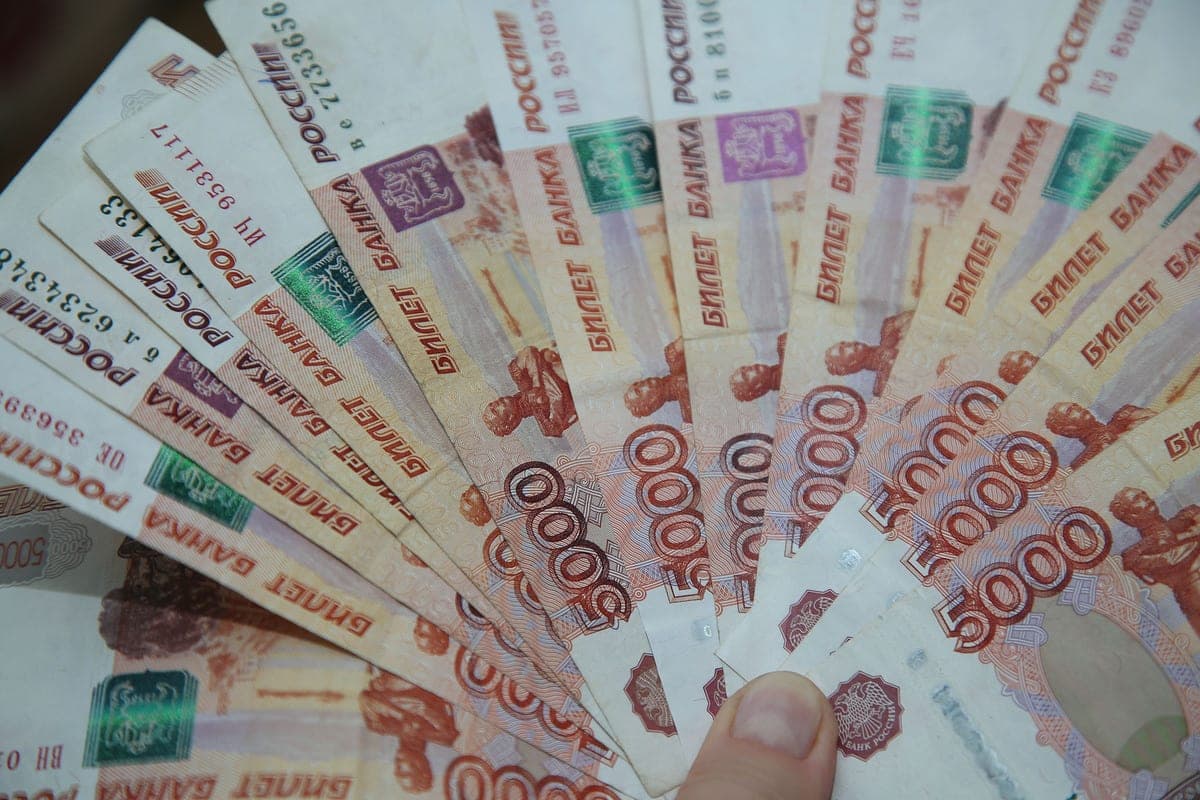
For the fifth year in a row, New Urengoy (YANAO) ranks first among Russian cities in terms of purchasing power of salaries. Salekhard and Anadyr followed, and the last lines were taken by Grozny and Nalchik. Such results were shown by a study by RIA Novosti, which covered the 100 largest cities in the country.
In Novy Urengoy, the average salary after taxes exceeds the cost of a fixed set of goods and services by 5.93 times. In Salekhard, this figure is 5.59, and in Anadyr, who rose to third position, it reaches 5.29.
The top ten also included Yuzhno-Sakhalinsk, Moscow, Krasnogorsk, Magadan, Surgut, Odintsovo and Khimki. Thus, the highest purchasing power of wages was demonstrated mainly by the northern cities, Moscow and its immediate suburbs. St. Petersburg was on the 11th line.
At the opposite end of the rating are Grozny and Nalchik. In the capital of Chechnya, the average salary is enough for 2.19 fixed consumer set. In Nalchik, the figure is only slightly higher.
Among the cities with relatively low purchasing power of income were also Vladikavkaz, Elista, Cherkessk, Magas, Ivanovo, Sevastopol, Birobidzhan and Pskov. In all these cities, the average salary allows you to buy no more than 2.7 consumer sets.
The difference between leaders and outsiders is more than 2.7 times. At the same time, in most of the cities studied, from 2.5 to 3.5 fixed sets of goods and services can be purchased for an average monthly salary. In 20 cities, the indicator ranges from 2.5 to three sets, in 34 cities – from three to 3.5.
Analysts compiled the rating on the basis of official statistics for January-June 2026. They compared the average salaries of employees of large and medium-sized enterprises after deducting personal income tax with the regional cost of a fixed consumer set calculated by Rosstat. Thus, the study takes into account not only the size of earnings, but also its purchasing power.
In total, experts studied 100 cities, including administrative centers of regions and other large settlements. Donetsk, Lugansk, Kherson and Zaporozhye were not included in the rating due to the lack of necessary statistical data.
The study also showed a slowdown in wage growth in Russia. By the end of 2025, the average nominal accrued salary of employees of organizations increased by 12.5% and reached 111.4 thousand rubles. A year earlier, the increase was 18.9%.
In the first half of 2026, the average accrued salary in the country reached 119.2 thousand rubles, which is 11.6% higher than the same period last year.
Experts note that the differences in wages between cities are related to the level of economic development, climatic conditions and the sectoral structure of the economy. Raw materials specialization of individual territories also plays an important role.
Lipetsk strangler found the phones of the victims, but he remained free
The US allowed operations with Russian diesel until April 2027
A resident of China spent 1140 rubles on five types of products in St. Petersburg
Pashinyan admitted the Russian version of the nuclear power plant amid warnings from Moscow
Reliable news is always at hand - in the channel "MK" in MAX