
Neurosurgeons of Voronezh BSMP No1 rescue patients with a rare “Kimmerly anomaly”
This pathology is an anatomical deviation in which an additional bone arch is formed on the first cervical vertebra, called atlante
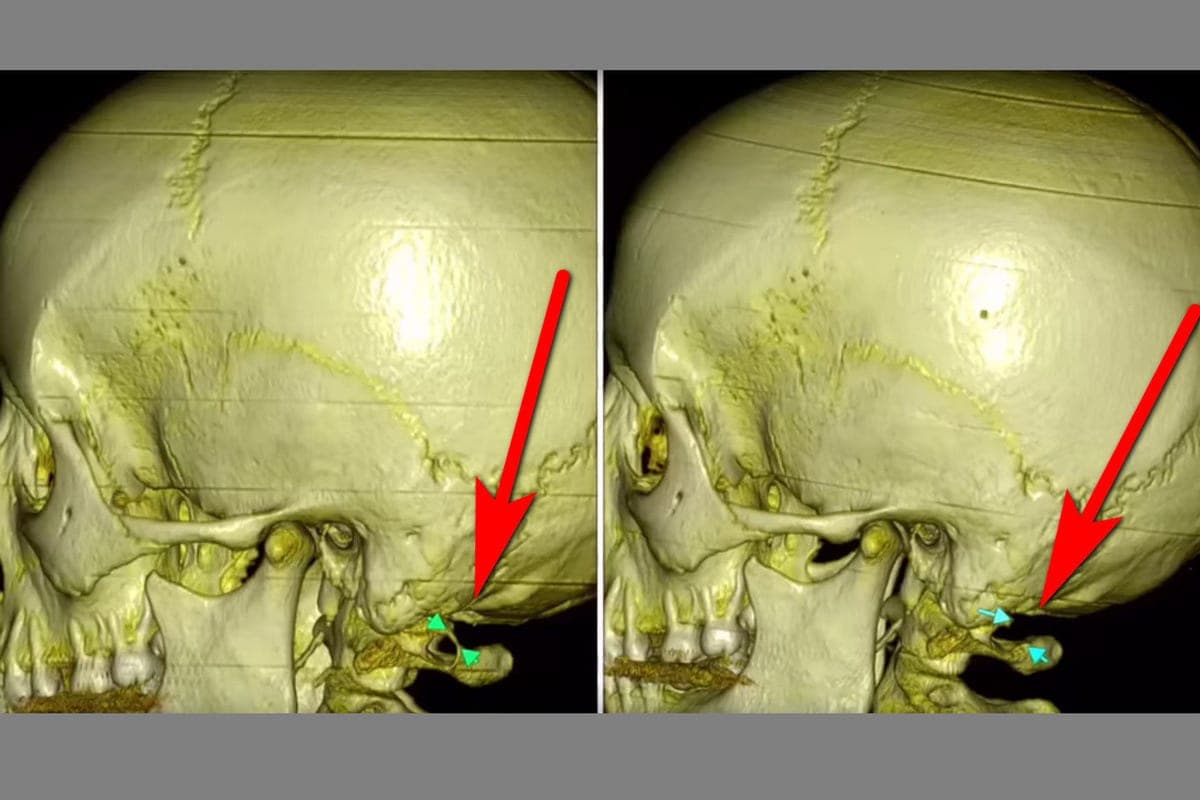
Specialists of the neurosurgical department of Emergency Hospital No. 1 performed operations on two more patients who had a rare anatomical feature known as Kimmerley anomaly.
The first patient was diagnosed more than five years ago. However, the last year her condition has deteriorated significantly, and the disease has become a serious test for her. The woman was almost constantly tormented by symptoms such as pain in the occipital zone, decreased ability to concentrate, jumps in blood pressure, as well as instability when walking and bouts of dizziness.
The various conservative treatment options gave only a short-term improvement that lasted only a few weeks. Then the woman decided to undergo surgery. She learned that neurosurgeons from the BSMP No. 1 successfully help in such situations, and went to the reception from Belgorod. Voronezh doctors conducted the necessary examinations before the operation and set a date for hospitalization. The intervention was successful, and on the third day after it, the patient was discharged home. She left the clinic with a sense of relief, the symptoms of the disease receded.
The second case is also of interest: the head of the Department of Neurosurgery Pavel Yurov accidentally heard from his friend a story about a friend who for several years suffered from headaches, dizziness, memory impairment and distracted attention. Over the past two months, his condition has been complicated by loss of consciousness. Therapy with a neurologist did not give the desired effect. Pavel Valentinovich recommended to seek help in the BSMP No. 1.
After the examination, the man was found to have the same Kimmerley anomaly. He carried out all the necessary research and performed the operation. The patient was discharged on the sixth day after surgery.
- Today, the list of indications for surgical treatment has become wider, and the method of access has changed towards less traumatic. Thanks to the use of high-speed diamond boron and an operating microscope in clinics, the surgeon’s work in the vertebral artery area has become as safe as possible. Patients are recovering. If you notice such symptoms, you should consult a neurologist. In the case when conservative treatment does not give results within six months, it is necessary to visit a neurosurgeon, commented the specialists of BSMP No. 1.