
Why simple tastes are back in fashion: the trend for gastronomic minimalism
White walls, natural wood and minimal decor: interior minimalism has already become a new classic
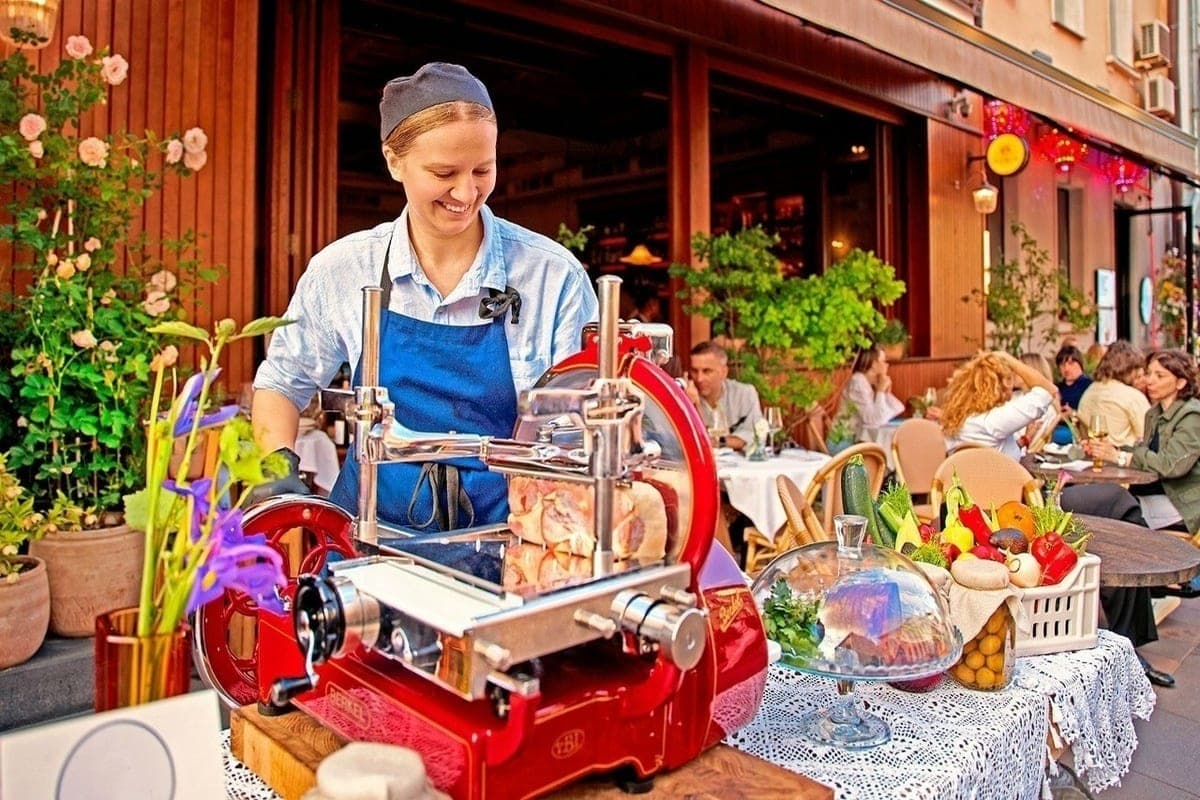
White walls, natural wood and minimal decor: interior minimalism has already become a new classic. A similar principle is becoming more and more evident in the kitchen. We choose dishes without a dozen ingredients and exotic names. Let us understand why gastronomy returns to simple tastes.
How cooks learned to cut off excess
The idea of putting the quality of the product above the complexity of the recipe arose long before the current fashion. In 1973, French gastrocritics Henri Guo and Christian Millau formulated the principles of “new cuisine”: less heavy sauces, shorter cooking time and more attention to fresh produce. So in high gastronomy, the idea was strengthened that a good product is not necessarily hidden behind a complex recipe.
Today, this approach is again in demand. In the National Restaurant Association's 2026 forecast, local products topped the list of gastrotrends, with recipes with fewer additives entering the top ten. The emphasis has shifted from the number of components to their quality. Why fast food is not considered minimalism
A short menu and quick cooking do not make food minimalist. Fast food has another task: to ensure speed, convenience and the same result. The response to the standardization of food was the Slow Food movement, which began in 1986 in Italy in the wake of protests against the opening of a fast food restaurant near the Spanish Steps in Rome.
Forty years later, the contradiction has not disappeared. According to the poll of 2026, 51% of Russians at least sometimes buy ready-made food, but 77% consider homemade tastier. After lunches on the run, potatoes from the oven or soup according to the family recipe are especially appreciated. Here, it is not speed that is important, but the ability to cook as loved ones like.
Seasonality instead of special effects
One notable twist in restaurant cuisine is the interest in local produce. In the forecast for 2026, the brand-chef of Suzdal restaurants Agronom and Syrodelnya Roman Orlov spoke about the growing interest in regional ingredients and old recipes in modern performance.
This approach is easy to bring home: the shorter the recipe, the more noticeable the taste of each product. Seasonality becomes not only a restaurant idea, but also a practical rule of home cooking.
It's sweet and easy
The craving for classics is especially noticeable in the world of sweets. According to the forecast of the National Restaurant Association of the United States, nostalgic tastes were among the leading gastrotrends. One such example is the classic seal, which reminds one of walking from childhood, the other of the road from school. Fans of gastronomic minimalism should look at the usual waffle cup. For example, more than 60% of the composition of ice cream from the Gold Standard brand is made up of whole milk, fresh cream and condensed milk. This combination creates a rich creamy taste with an ideal balance of sweetness that does not require complex additions.
Fashion for simplicity does not negate culinary discoveries. It only reminds that the warmest impressions sometimes leave the most ordinary dishes.
