
How bold business ideas, unconventional niches and open dialogue with the authorities change the view of the development of the hinterland
The Entrepreneurship Week, which was held in Belarus from 16 to 20 November, included more than 200 forums, presentations and meetings of business and government. Today, one of the...
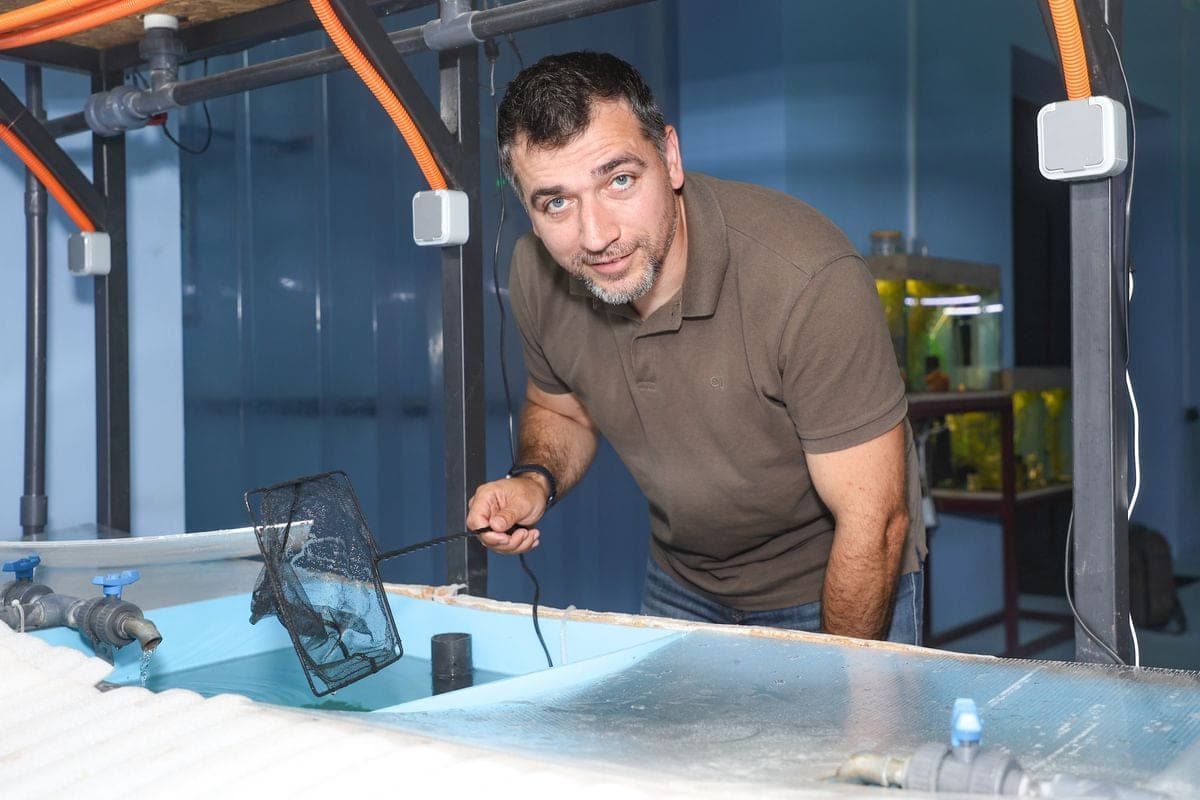
The Entrepreneurship Week, which was held in Belarus from 16 to 20 November, included more than 200 forums, presentations and meetings of business and government. Today, one of the priorities of the economic policy of the state is strong regions. Accordingly, business activity should not be limited to large and small cities, but change life in the outback. Agriculture has always been and will be the backbone of the village, but small and medium-sized businesses not only cover the domestic needs of agro-towns, but also open enterprises with innovative products. Together with representatives of the district authorities and entrepreneurs, the SG correspondent tried to understand the rules of a successful startup. How to open your business, bring benefits to people and not burn out?
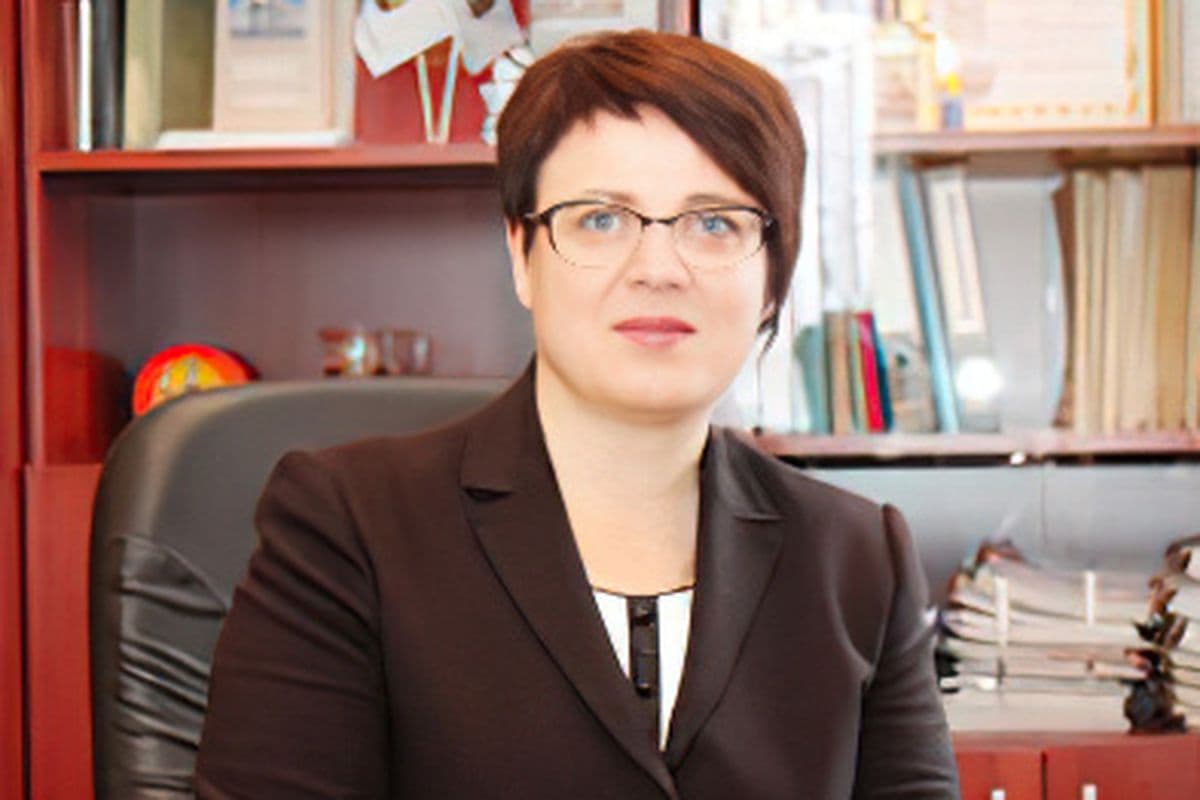
Vladimir Prechits. The experience of business in rural areas shows that even with benefits, the readiness of the authorities to hear the initiative on the ground is of great importance. Dokshitsky district relies on active dialogue and clear support tools. How here help to open a business, said Deputy Chairman of the Executive Committee on economy Marina Klimovich. Dokshitsky district is an agricultural region without large industrial giants, but with a rich nature and favorable geographical location. In such conditions, small business develops as organically as possible.
“The basis of our business is the owners of retail stores and workshops of household services – from repairs to hairdressers,” Marina Eduardovna notes. The beauty sphere at home or in rented offices is actively growing at the expense of self-employed and payers of professional income tax. Due to the agrarian specifics, farms are stably operating in the area, and beautiful nature opens up great potential for the development of the hospitality sector.
To solve the main problems of novice entrepreneurs (search for money and premises), effective mechanisms are used in the area. For example, unemployed citizens registered with the employment service can receive state support for opening a case. This payment for rural areas is 8035.5 rubles (15 BPM). This money is enough to buy equipment or rent. You can also get suitable property on favorable terms. The Executive Committee annually compiles a list of empty state buildings. They are rented at discounts or sold on electronic auctions. Individual objects can be bought for just one base value, provided that new jobs are created. On the website of the district executive committee there is a digital subcontracting platform, where small businesses find orders from large factories. In addition, the Economics Department helps to issue preferential loans to the Development Bank and reimburse part of the interest from the regional budget. At the same time, the authorities conduct a constant dialogue with those who are interested in opening and developing their business.
- We support business not only with subsidies and real estate, but also with constant feedback, Marina Klimovich emphasizes. As part of the annual Belarusian Entrepreneurship Week, we hold meetings and consultations. Specialists of the district executive committee, tax inspection and FSZN organize direct lines and receptions. Entrepreneurs can resolve issues of taxes, registration or rent without bureaucracy. At the meetings of the Entrepreneurship Development Council at the round table, problem cases, the search for investment sites and the development of promising areas that are beneficial to potential investors and the region are discussed.
Special attention is paid to youth in Dokshitsk district: meetings with local businessmen and financial literacy lessons are held in schools and colleges. The main goal is to show the young generation that you can start a successful project and earn money in a small homeland without going to large cities.
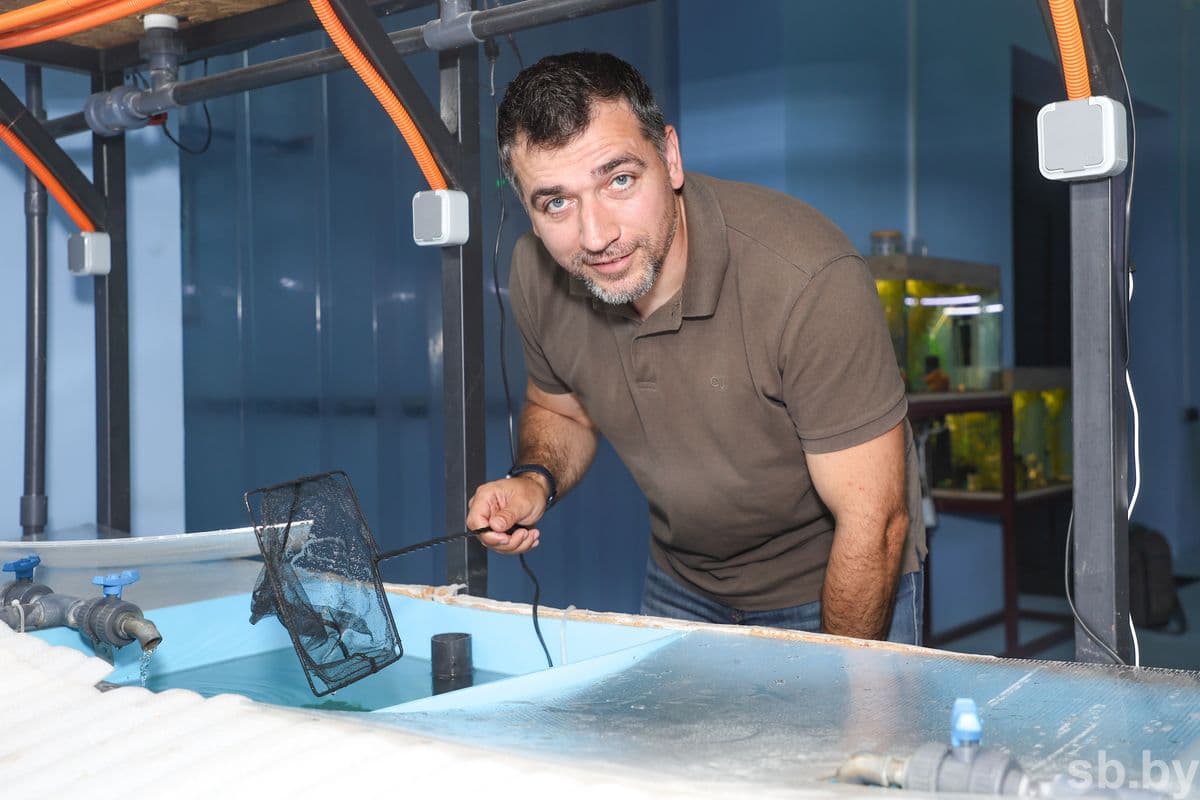
Marina Klimovich. Business success is often based on finding non-standard niches. A vivid example of this approach is Vladimir Gotovchits eco-farm in the village of Olkhovtsy, Lyakhovichi district. An entrepreneur from Baranovichi has breathed new life into a vacant former school building, launching the country's first shrimp production there in 2025. The idea of the project grew out of a popular joke that Vladimir often heard from friends in Moscow: “I would like to add my own shrimp to excellent Belarusian products.” The entrepreneur took this as a guide to action. Today in a hundred pools, where the temperature is maintained at least 27 degrees, Rosenberg shrimp, Australian cancer and tilapia are successfully grown. The farm has reached stable indicators and is preparing to scale.
Vladimir notes that to implement such an unusual startup in the hinterland was largely due to the real support of the state.
- I want to pay tribute to the staff of the Lyakhovichi district executive committee. After learning about my plans, they immediately joined the work and always stay in touch. I just call, voice a question, and they are ready to receive me today or tomorrow. They have an open dialogue with me and try to help as quickly as possible, the entrepreneur emphasizes.
As in any new business, there are working nuances on the way of business formation that require flexibility. For example, entering large retail chains requires the status of food production, and passing such certification is a serious financial burden for a small enterprise. However, Vladimir found an effective solution, turning the peculiarity of his business into an advantage: he is actively developing agrotourism. This allows you to sell fresh produce directly to guests, making the village a popular route for travelers.
Having a clear understanding of the market, Vladimir makes ambitious plans:
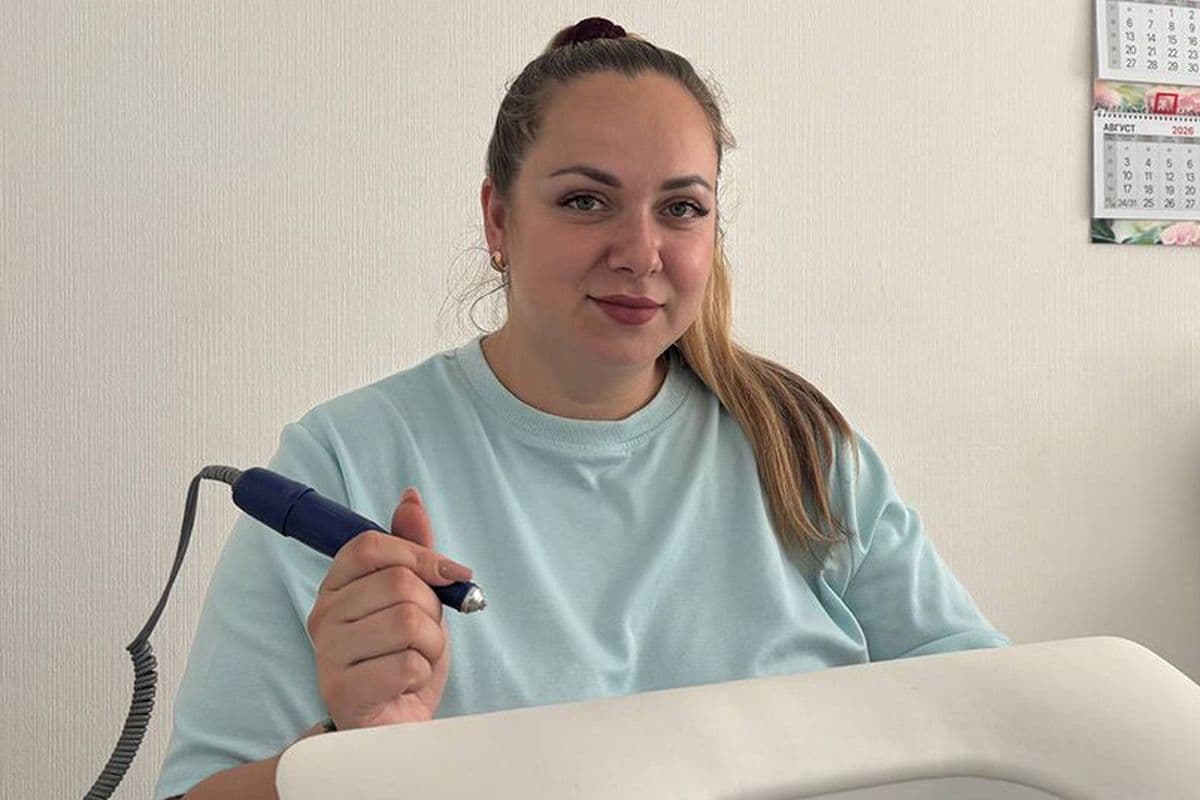
- In the future, I aim to create a large industrial complex with serious volumes. We already have proven technology for three unique types of aquaculture in Belarus. Now we are actively incubating and growing tilapia – in this direction we are ready to reach 20-40 tons per month. The mechanism is clear, it is only about resources. I am convinced that when there is a desire to work and support on the ground, you need to boldly take up business, and not doubt the result. For a successful start in the village, it is not necessary to have an impressive capital - sometimes it is enough to catch the request of residents and show initiative in time. Such examples are becoming more and more common in various regions of the country. For example, the master of nail service Anna Damaratskaya moved from Borovlyan to the quiet agro-town of Yuzufovo, Minsk district. She did not plan to open a practice in a new place, but one question was solved in a rural chat: “Is there a beauty master nearby?”
- I didn't expect such hype. We had to quickly equip the workplace from scratch and purchase modern equipment. Now the recording is scheduled for a few days ahead, says Anna.
Business in the village quickly adapted to the tastes of the audience. The check is lower than Minsk, but this is compensated by the almost complete absence of competitors. In order for the business to bring a stable income without unnecessary investments, Anna chose a competent model of work, equipping the office right at home. The girl believes that the country’s transparent conditions for self-employed people make it easy to legalize such a case without complex reporting. Even without attracting government subsidies, which are now available to aspiring entrepreneurs in all areas. For those who want to start a business in the village, the master gives a simple advice:
- You need to constantly learn, be responsible for quality and be patient. As they say, patience and work will overcome everything. If you burn with your business, success in the countryside and in the city is guaranteed.
IN THE MIRROR DIGITAL
According to the Ministry of Economy, the small and medium-sized business sector accounts for 30 percent of GDP, almost half of exports and about 1.4 million jobs. And this share is growing: if before the entrepreneur was associated primarily with trade, today almost a third of private companies work in industry, agriculture and construction.
chargaziya@sb.by
