
The Central Bank revealed who actually pays for a preferential mortgage in Russia
Cheap mortgage loans for certain categories of citizens were paid by all residents of the country – this conclusion was made by adviser to the Chairman of the Central Committee Kirill Tremasov at the Ural real estate forum
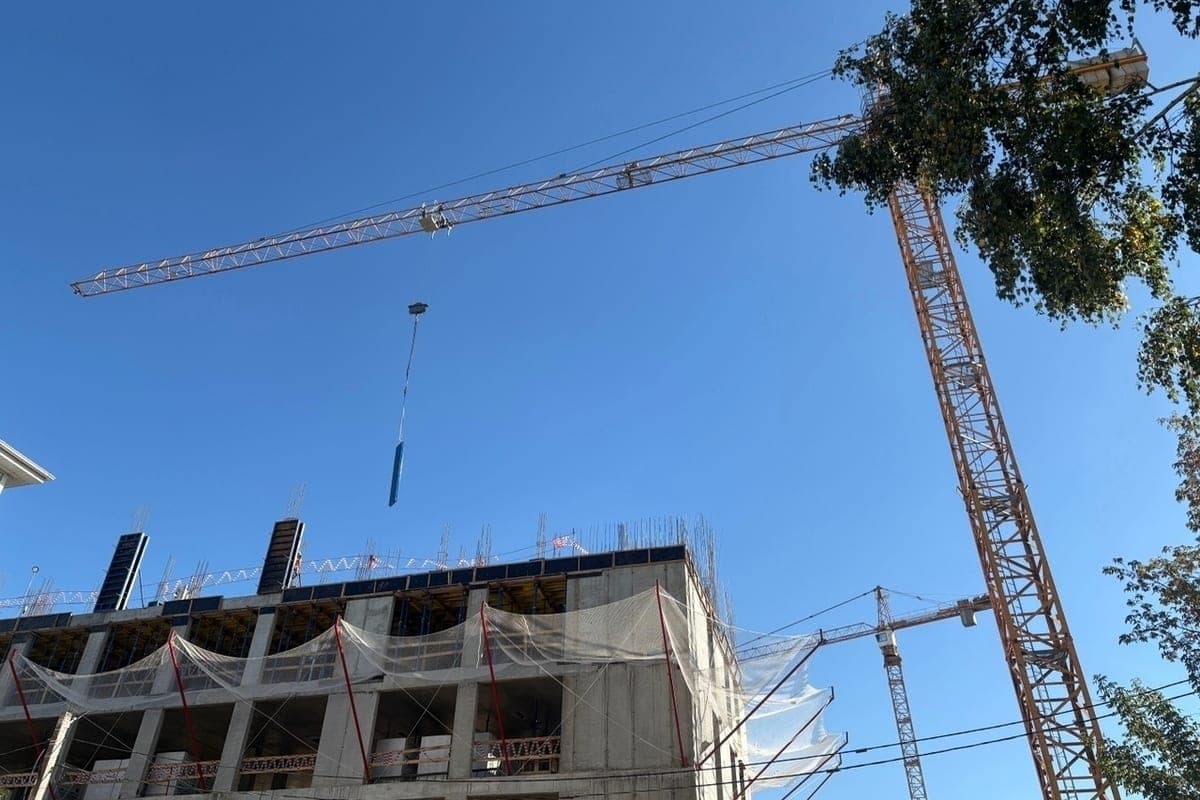
Cheap mortgage loans for certain categories of citizens were paid by all residents of the country – this conclusion was made by the adviser to the Chairman of the Central Committee Kirill Tremasov at the Ural real estate forum. His arguments sound surprisingly harsh.
Since 2021, new buildings in Russia have risen in price 30% faster than the income of citizens has increased. The Central Bank believes that this result led to mortgage programs with state support. Their content costs the budget more than a trillion rubles annually, writes RBC.
Tremasov recalled a simple arithmetic: housing affordability is not interest on a loan, but the ratio of prices and wages. As long as incomes outpace price increases per square meter, the market lives on. Once the proportion breaks, housing becomes an unattainable luxury.
“We have seen that during the period of mass preferential mortgage housing became less affordable for citizens. In a short time, prices have doubled, far ahead of the income of the population. No one will step on these rakes for the second time, the representative of the regulator said.
According to his logic, the key to a healthy market is stable prices and a slow, predictable increase in inflation around the “natural human habitat”.
The most surprising thesis of the talk went something like this: cheap loans have no free price. Someone always pays for it – directly through taxes or indirectly, through more expensive loans to others.
“The more benefits in the economy, the higher the interest rates for those who do not receive those benefits. If we cancel all preferential subsidies and preferential programs, which are tens of trillions of rubles, the better the conditions will be for everyone else, Tremasov said.
The complete abandonment of preferential programs in the Central Bank is not predicted, but they propose to revise their device. The reason for the failure of mass mortgages is wide access: the rush of demand has increased prices and negated the benefits. The way out is to limit the scale of programs and give out cheap money to those who really need it.
At the same time, the market without support is unlikely to revive itself: a market mortgage at double-digit percentages will not become a sales driver. For comparison, Tremasov cited the United States, where a thirty-year housing loan costs borrowers 5-7% per annum.
Is the same rate possible in Russia? According to the Central Bank, yes, but not tomorrow. Americans have lived with low inflation for decades, and this has given them calm inflation expectations.
“We also need 5-10 years with low inflation and no shocks. We will not be able to immediately make an affordable mortgage at 5-7%, as in the United States, Tremasov concluded.
The pattern, he said, is stable prices — lower expectations — increased confidence in economic policy — and then mortgage rates fall. The regulator does not promise quick decisions.