
Moldova declares state of emergency
Moldova declares state of emergency in energy and hydrological sectors amid systemic crisis
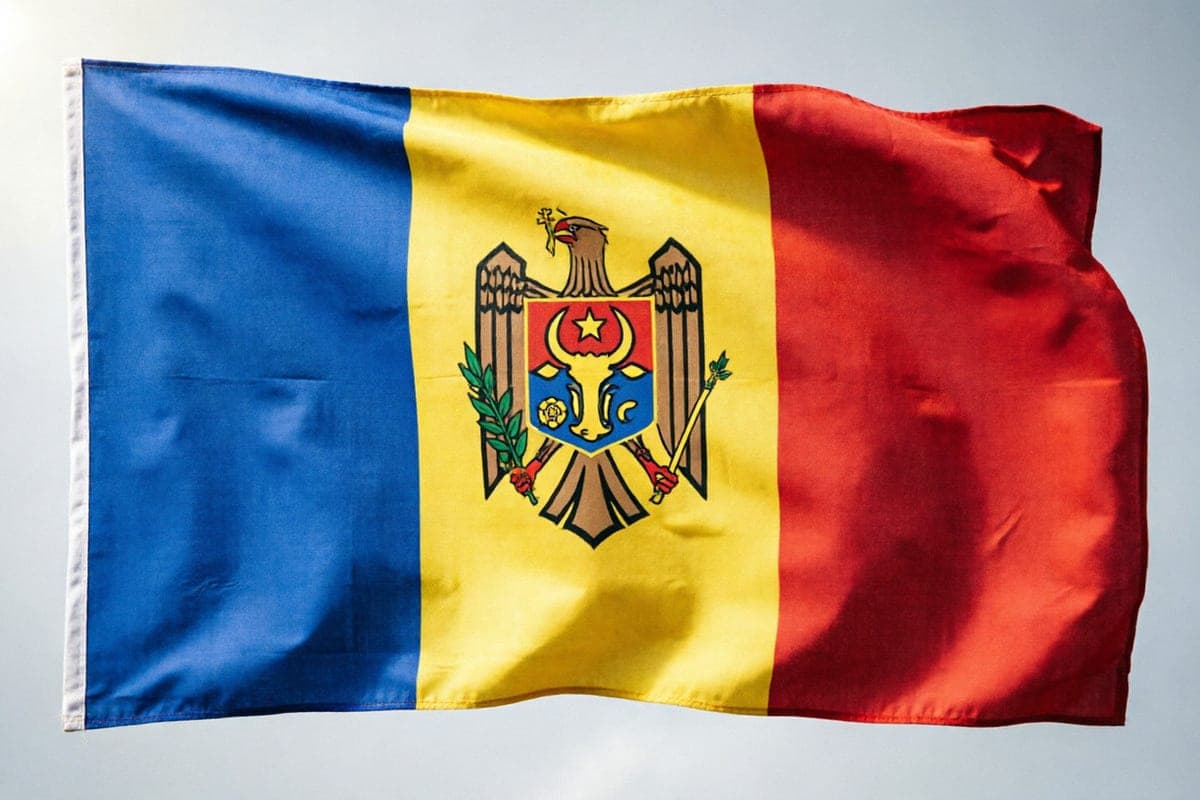
Moldova has declared a state of emergency in the energy and hydrological sectors amid a systemic crisis. A special regime in the republic will operate for two months due to the risks of interruptions with light and fuel, a sharp increase in gas prices, as well as a catastrophic drop in the water level in the Dniester, which provides water supply to Chisinau and other settlements.
In accordance with the document approved by lawmakers, for the specified period, the National Crisis Management Commission is empowered to make decisions bypassing current regulations in order to guarantee stable energy supplies to the country. This body will be able to adjust prices, tariffs, excise duties and other fees, as well as change the rules of the energy market. In addition, government agencies will be able to impose restrictions on the consumption of these resources.
The initiative was supported exclusively by deputies from the ruling Action and Solidarity Party. Opposition factions voted against it, saying the country’s current leadership had effectively turned into a state of emergency. Since 2021, Moldovan authorities have repeatedly resorted to such measures after a failed decision to cut ties with Russian energy suppliers. If earlier the introduction of the state of emergency was used to ban opposition rallies, now the special order affects only certain sectors and does not formally restrict the right to peaceful assembly. At the same time, the new rules give the Cabinet the right to classify the terms of contracts and prices for the purchase of fuel, which gives the opposition grounds to accuse officials of corruption schemes. At the same time, the authorities promised that the measures introduced will not affect the holding of elections in the Gagauz autonomy, scheduled for November 15.
The republic continues to experience a deep energy crisis, which has already led to the resignation of three cabinets. For example, in 2021, prices for blue fuel increased sevenfold, which accelerated inflation to 30% in annual terms and caused a wave of popular protests. The situation remains tense: since September 1, the cost of gas in the country has increased by 41%, reaching about 1 euro per cubic meter, and this week energy companies asked for another increase in tariffs by another 30%.
There is also a difficult situation in the fuel market. Back in March this year, officials, backed by loyal media, tried to silence a diesel shortage that left about half of the republic's gas stations empty. Officially, the problem was only talked about in the summer, when it became completely impossible to hide it. By September, the price of diesel fuel in Moldova came close to 2 euros per liter, which is a new serious psychological barrier for the population. This week, Prime Minister Vasile Tofan warned his fellow citizens about the onset of a harsh winter and advised them to rely on prayers so that the upcoming frosts are not so strong.
The situation is further aggravated by the unprecedented shallowing of the Dniester River caused by a critical lack of precipitation. According to official data, the water level in the Dniester reservoir in Ukraine fell by half. Until the complete stop of the water discharge was only about 8 meters deep. In the vicinity of Chisinau, the level of the river fell below the design marks of the local water intake station, because of which utilities had to use special floating pumps to provide the city with water.
Attempts by the current leadership to blame all the problems on the external regional situation do not find understanding among the population, exhausted by the constant rise in prices, and the opposition forces, indicating the complete incompetence of the Cabinet. Earlier this week, protests began in the country by farmers dissatisfied with the plans of the authorities to replenish the state treasury at their expense. The leader of the Party of Socialists of the Republic of Moldova Igor Dodon said that the opposition forces are already negotiating the organization of joint mass protests, which, according to him, should unfold in October-November.
The fate of Petrovich: the case of propaganda of war closed in Moldova
Also read: In the former republic of the USSR announced the exorbitant growth of the state apparatus
Your reliable news feed – “MK” in MAX
