Taken two microloans - the third in question: new rules for borrowers
From October 1, 2026 in Russia there are new restrictions on the issuance of expensive microloans.
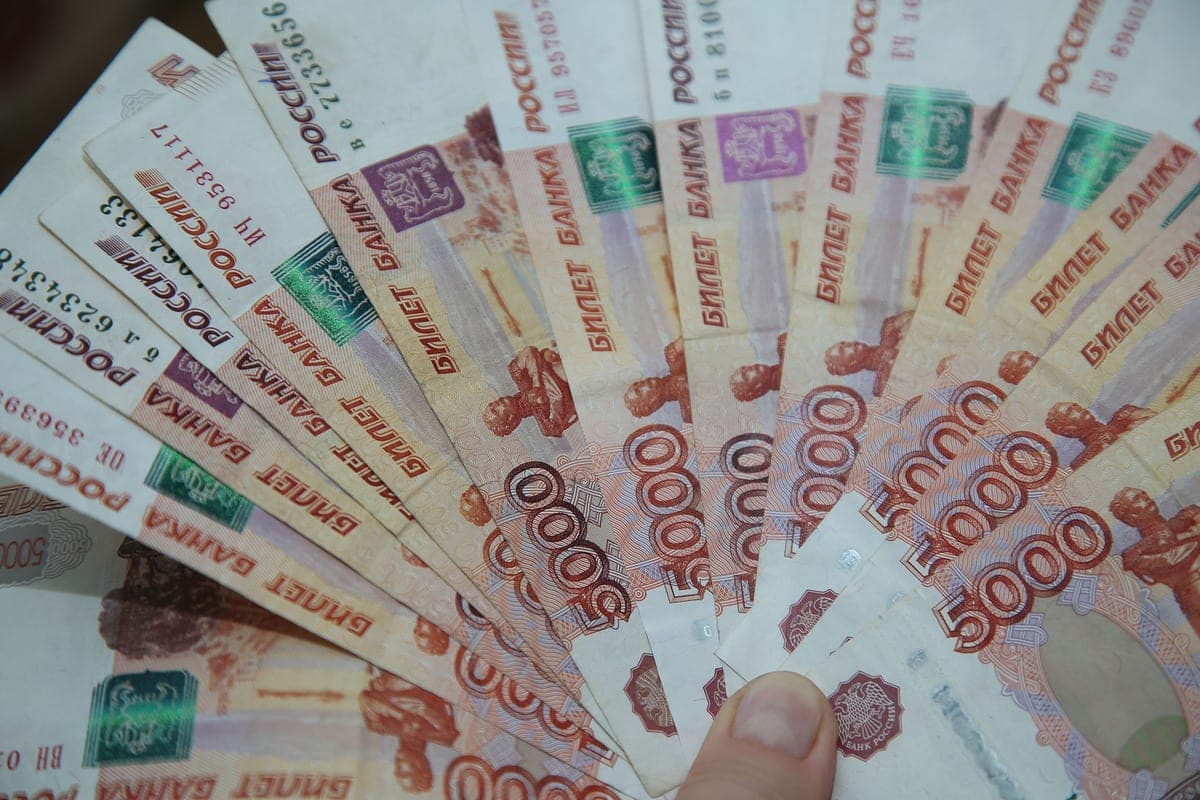
The measure is designed to stop the situation when a person takes a new loan to pay off the old one, and gradually finds himself in a debt trap. However, it is too early to assess the effectiveness of the new restriction, according to financial experts.
Tatyana Volkova, CEO of Fintellect, believes the high cost of microloans is one of the main reasons why they can become dangerous for the family budget. Getting money quickly seems like a convenient solution, especially for urgent expenses, but then the borrower has to return significantly more than the original amount.
According to the expert, two existing microloans are already a reason to reconsider their finances. If money is regularly short, a third debt will not solve the problem. It is worth analyzing the family budget, to figure out what the income goes on, and, if possible, to reduce unnecessary expenses. A large purchase is better to postpone, and if necessary, consider the help of loved ones or a bank loan with a lower rate.
The new restriction does not mean that a person with two expensive debts will be denied any loan. It concerns loans and loans with PUKs above 200% per annum. If the cost of a new loan does not exceed this threshold, the prohibition does not in itself prevent its issuance, but the lender still has to assess the ability of the client to service the debt.
Polina Brezhestovskaya, an expert on financial literacy and investments at Monterium, draws attention to the fact that PUK is not only the interest rate indicated in advertising. The indicator may include interest, commissions, insurance premiums and other payments related to credit conditions. At the same time, independently connected additional services are not necessarily included in the calculation: it matters whether they affect the loan and the proposed conditions.
Therefore, before signing a contract, it is important to look at the PUK in a square frame on the first page of the document and check what additional services are included in the contract. Insurance, SMS information, subscriptions and legal advice can increase the borrower’s expenses, especially if he does not understand what he pays for.
To verify existing obligations, MFIs use information from credit history. According to Brezhestovskaya, before applying for a new loan, it is useful to independently request a credit report and check what loans are reflected in it. At the same time, the mere fact of having a bank loan or credit card does not mean automatic refusal: the full value of a particular liability is important, not only the amount of debt or type of loan.
If a person is already in a debt trap, experts advise not to close old loans with new ones, especially if each next one costs more than the previous one. Brezhestovskaya recommends making a list of all creditors, debt balance, rates, payment dates and delays, and then contacting creditors with a written request for restructuring. Which may include changing the schedule or increasing the payment period to reduce the monthly load. If there are legal grounds, it is worth checking the possibility of credit holidays.
Refinancing can also help, but only if the new terms are really more profitable. You need to compare not only the monthly payment, but also the total overpayment. If income is objectively insufficient to service debts, you can study the statutory bankruptcy procedures and assess their consequences in advance.
From April 2026, for consumer loans up to a year, the maximum overpayment is already limited to 100% of the original debt amount. For example, with a loan of 10 thousand rubles, the accrual on interest, penalties and other payments cannot exceed another 10 thousand rubles.
The next stage of tightening the rules will begin on April 1, 2027. Then the principle of “one loan in hand” will apply for loans with PSKs above 100% per annum: a new such loan will not be obtained until the previous one is repaid, and after its closure, a three-day cooling period will be required before the next one is issued.
Volkova advises not to wait for new restrictions, and now plan expenses and gradually create a financial cushion. Even a small reserve can help to cope with unexpected expenses without another appeal to MFIs. The main thing is to understand in advance from what funds and when it will be possible to return the loan, and not count on the next loan to repay the previous one.