A resident of Vladivostok cheated Sevastopol for 5.5 million when buying a car
A resident of Sevastopol transferred 5.5 million rubles to a fraudster who promised to bring a Korean car, but did not fulfill the order
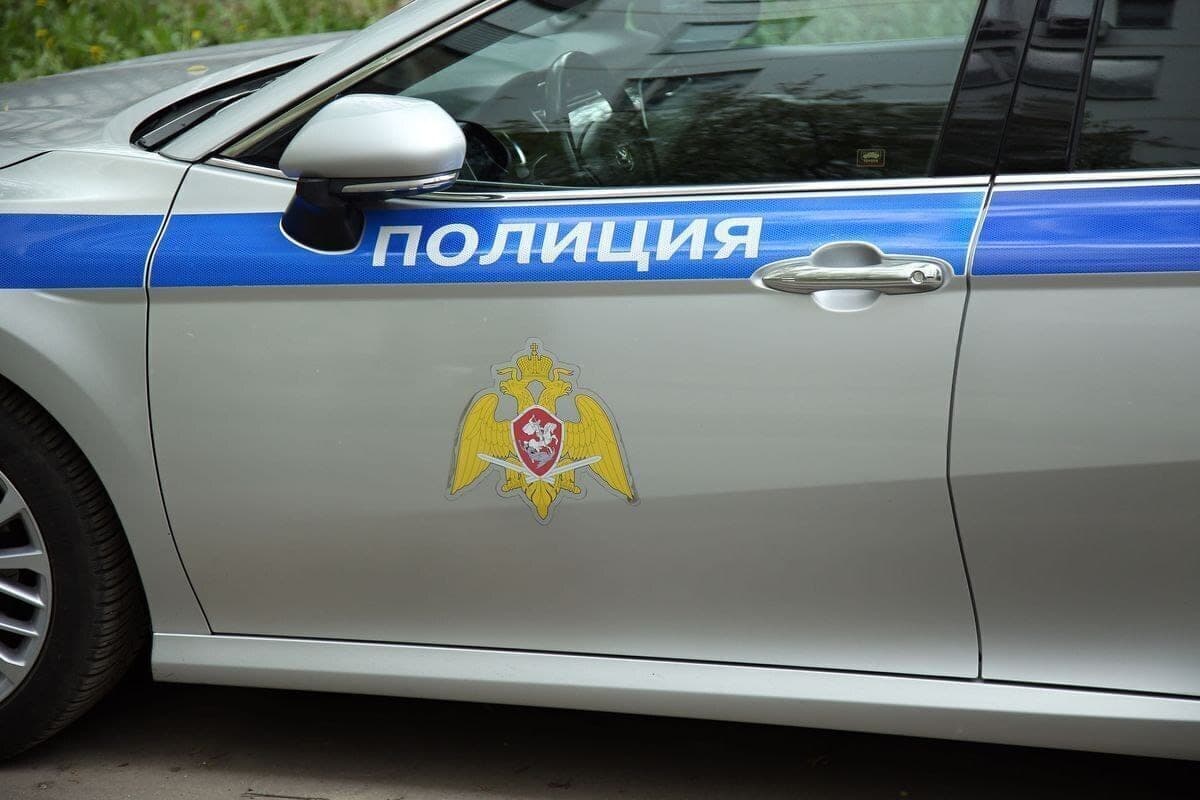
A resident of Sevastopol transferred 5.5 million rubles to a fraudster who promised to bring a Korean car, but did not fulfill the order. This was reported in the press service of the MIA for Sevastopol.
According to police, the victim searched for the car in thematic chats. A 34-year-old resident of Vladivostok, engaged in the production of vegetable oil, responded to his request. The business of the man, according to investigators, was on the verge of ruin, and he decided to correct things fraudulently: under the guise of a supplier of cars from China and Korea, he was looking for customers among chat users to receive money, but not to fulfill orders.
To gain trust, the attacker sent documents of his company to Sevastopol. After agreeing on the conditions and choosing a foreign car, the buyer transferred the entire amount and began to wait for the car. He never got the car.
Police identified the suspect and detained him. A criminal case under part 4 of article 159 of the criminal code of the Russian Federation — fraud on an especially large scale. The maximum penalty under this article is imprisonment for up to ten years.
Cases of remote fraud when buying cars in the Crimea and Sevastopol were recorded earlier. According to the Ministry of Internal Affairs of the Republic of Crimea, for nine months of 2026, 33 cases of fraud were registered when buying cars and spare parts from abroad, and the total damage to victims exceeded 40 million rubles.
Scammers attract buyers with low prices, receive large “prepayments” or “customs payments”, and then disappear. Only for one day in October 2026, residents of Evpatoria, Alushta and Feodosia appealed to the police, in total losing more than 1.74 million rubles.
In particular, the 48-year-old Evpator found a link in the messenger similar to the website of a well-known car sales company, contacted the false manager, signed an electronic contract for the purchase of a car from Germany and transferred the money to the sent details, after which he was required to pay a surcharge significantly higher than the cost of the car.
In addition, in November 2026, the prosecutor’s office of the Soviet district sent to court the case of a 36-year-old local resident who in the autumn of 2025 convinced the owner of the VAZ-2110 to transfer the car immediately, promising to transfer the money later, but did not fulfill his obligations.