Guatemalan woman wakes up during her own funeral
15-year-old Julidi Ixkotoyak recovered a few minutes before her own burial in the village of El Hocote (Guatemala)
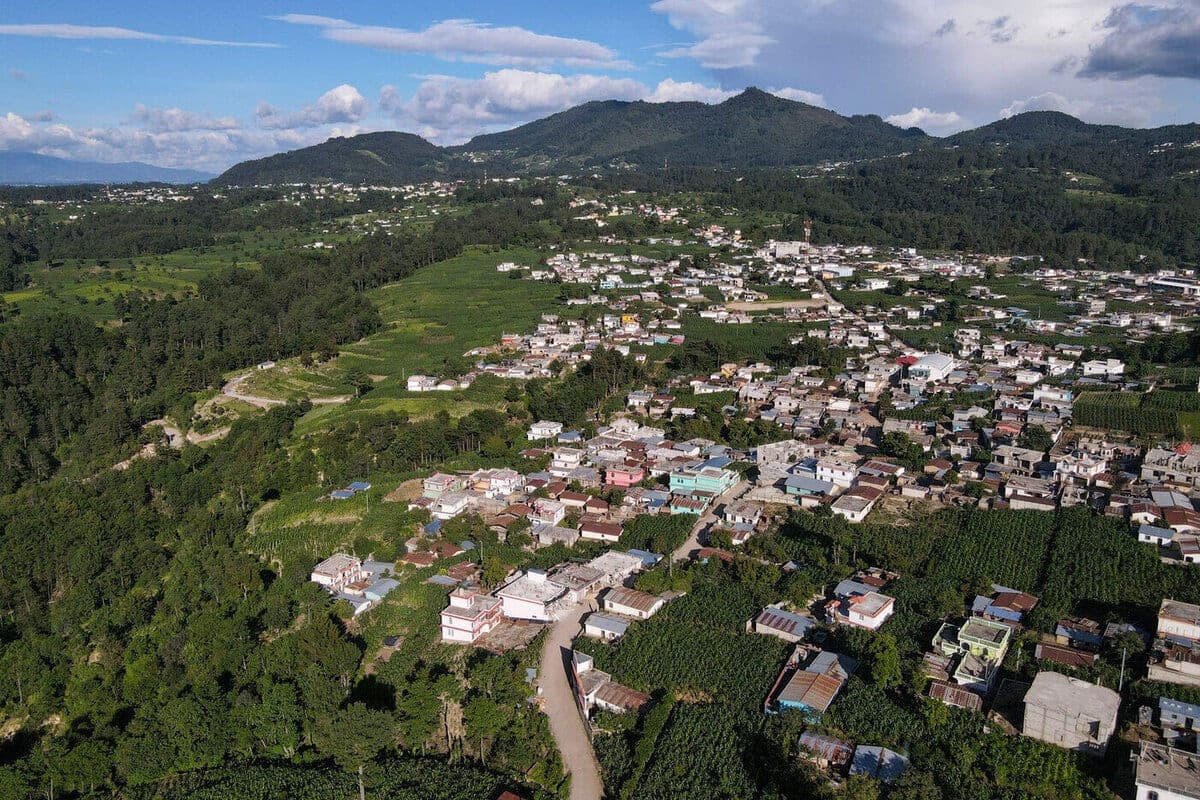
According to the father of the teenager, Abraham Ikskotoyak, he checked the victim’s pulse and breathing, but they were not. Abraham said he was certain of his daughter's death and instead took her home. A few hours later, as family and friends gathered at the coffin, Yulidi’s mother noticed that her daughter was moving.
Gradually, the teenager began to regain consciousness and rose. The family helped the “untimely dead” to get out of the coffin. The girl said that before losing consciousness she felt severe chest pain. According to doctors, she survived clinical death.
Stories about people who came to life in a coffin are most often explained by rare medical conditions or errors in the determination of death. Here are some other examples from news and historical chronicles.
A 12-year-old girl was hospitalized in Indonesia with complications from diabetes. Doctors stated death, but during the bath she opened her eyes, her heart beat, and her body temperature rose. Unfortunately, an hour later, the child died.
Three-year-old Camila Roxana from Mexico was taken to hospital in critical condition due to severe dehydration. Doctors connected her to the apparatus of artificial ventilation of the lungs and put an IV, but stated death. The child was placed in a closed coffin, but an hour later she came to life.
Two-year-old Calvin Santos from Brazil died of pneumonia. During a farewell ceremony in an open coffin, he suddenly woke up and asked for water.
95-year-old Chinese Li Xufen family found unconscious, doctors declared death. The coffin was left in the apartment for several days. On the eve of the funeral, relatives discovered that the coffin was empty and found an old woman in the kitchen. She explained that she woke up from hunger, got out of the coffin and went to cook.
Behind the frightening stories are quite understandable medical phenomena: clinical or imaginary death, Lazarus syndrome. Vital functions are so slowed down that a person is outwardly indistinguishable from the deceased: breathing and pulse are almost not felt, the skin turns pale and colder. Or the deceased “resurrects” a few minutes or even hours after cardiac arrest, most often after a failed cardiopulmonary resuscitation.