Oil, Gas and the Ghosts of the 1990s
In Kabul, a multi-mode party is being played, the stakes of which are not only Afghan gas, but also the balance of power in Central Asia. On September 7, in Kabul, Saudi Delta Energy, part of Delta International Holding Group, signed a series of agreements with the Ministry of Mining and Oil of Afghanistan on exploration and production of hydrocarbons in the Kushk-Tirpool basin. At first glance, a routine deal: $200 million of initial investment, the program is designed for 25 years, 11 blocks on an area of more than 23,000 square kilometers. But behind the dry numbers lies a plot that takes us back three decades – the era when Unocal (which was acquired by Chevron in 2005) and Saudi Delta Oil first tried to divide the Afghan subsoil. The signing ceremony was attended by Zalmay Khalilzad, the former US special envoy for reconciliation in Afghanistan, and that explains a lot.
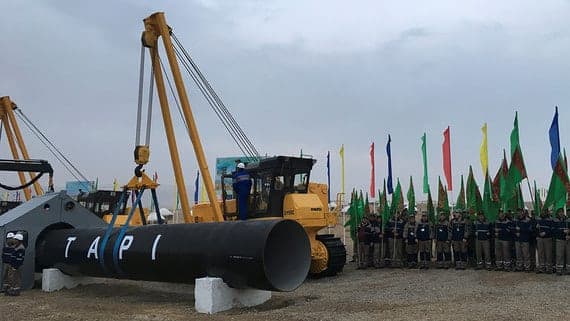
In Kabul, a multi-mode party is being played, the stakes of which are not only Afghan gas, but also the balance of power in Central Asia. On September 7, in Kabul, Saudi Delta Energy, part of Delta International Holding Group, signed a series of agreements with the Ministry of Mining and Oil of Afghanistan on exploration and production of hydrocarbons in the Kushk-Tirpool basin. At first glance, a routine deal: $200 million of initial investment, the program is designed for 25 years, 11 blocks on an area of more than 23,000 square kilometers. But behind the dry numbers lies a plot that takes us back three decades – the era when Unocal (which was acquired by Chevron in 2005) and Saudi Delta Oil first tried to divide the Afghan subsoil. The signing ceremony was attended by Zalmay Khalilzad, the former US special envoy for reconciliation in Afghanistan, and that explains a lot.