Change of course
The midterm elections in the United States are over. All 435 members of the House of Representatives were re-elected and the Senate was renewed by one-third. Many expected disappointing results for the Republican Party and the current administration of Donald Trump. But few thought there would be a “blue wave,” what I would call a real neoliberal tsunami and, if you will, a renaissance of liberalism with a palpable leftist bias. Trump’s party suffered a crushing defeat in both houses of Congress. It’s not just about losing the majority. Republicans lagged far behind Democrats in all respects: both in the number of congressmen and in their brightness, youth and determination. A similar situation unfolded in the race for gubernatorial seats: the Democrats acquired several important states, and the “elephants” lost them, respectively.
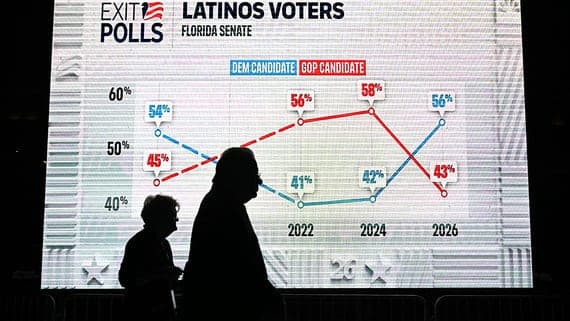
The midterm elections in the United States are over. All 435 members of the House of Representatives were re-elected and the Senate was renewed by one-third. Many expected disappointing results for the Republican Party and the current administration of Donald Trump. But few thought there would be a “blue wave,” what I would call a real neoliberal tsunami and, if you will, a renaissance of liberalism with a palpable leftist bias. Trump’s party suffered a crushing defeat in both houses of Congress. It’s not just about losing the majority. Republicans lagged far behind Democrats in all respects: both in the number of congressmen and in their brightness, youth and determination. A similar situation unfolded in the race for gubernatorial seats: the Democrats acquired several important states, and the “elephants” lost them, respectively.