Sunday, November 15, 2026Moscow
Science

‘Hugely exciting’ finds on tiny Scottish island shed light on spread of Christianity

Community-funded archaeological excavations of ‘really important’ sixth-century monastery also rewrite story of Lismore
Published
‘Hugely exciting’ finds on tiny Scottish island shed light on spread of Christianity

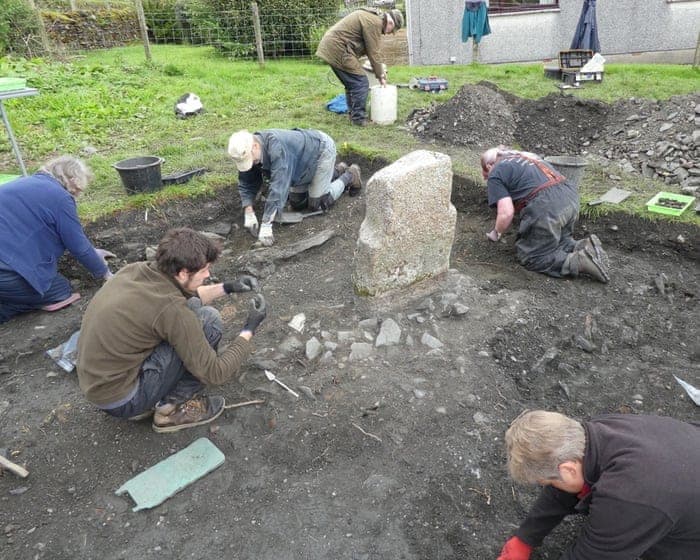
To the residents of the Scottish island of Lismore, population 190, history is never very far away. The tiny island near Oban in Argyll has no row of shops or even a pub – if islanders want to meet for a coffee, the only place to do so is in the lively Gaelic heritage centre that records the many centuries of community life on the island.

This quiet place, documentary evidence records, was home to a monastic settlement in the sixth century AD, when missionaries from Ireland were first moving into northern Britain to spread Christianity. But apart from a few fragments of an early carved cross, there was almost nothing to see from this period of history.
Source: The Guardian ↗

Share

More on This Story

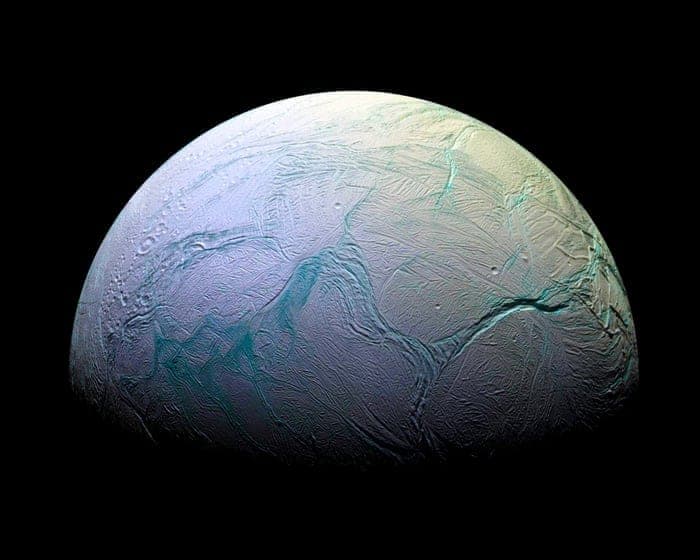
Earth microbes survive simulated conditions of Saturn moon’s ocean
ScienceEarth microbes survive simulated conditions of Saturn moon’s ocean

Experiment suggests organisms could live in harsh environment under Enceladus’s icy crust, strengthening possibility moon could support life

Ian Sample Science editor
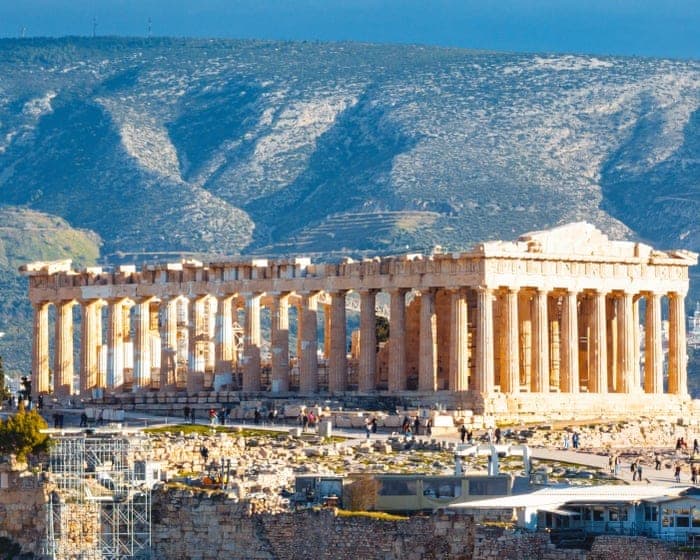
UK mathematician debunks myth around Parthenon’s optical illusions
ScienceUK mathematician debunks myth around Parthenon’s optical illusions

Study challenges belief that temple’s curves were designed to correct optical illusions that would have ruined its clean lines

Ian Sample Science editor
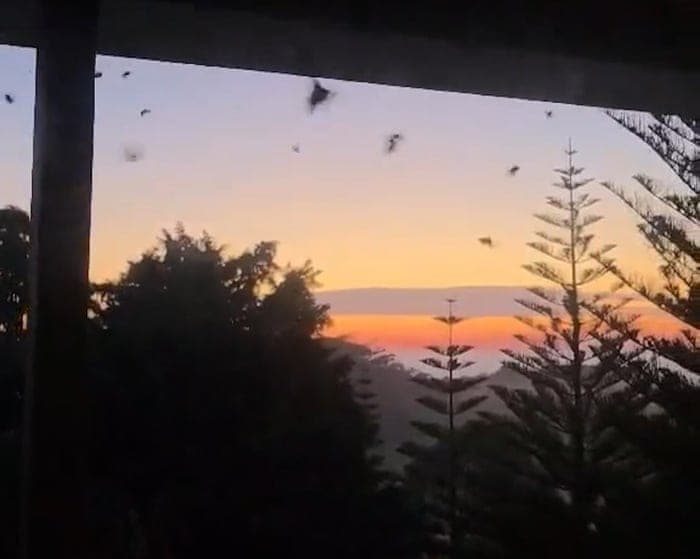
‘Thrilled’: huge swarms of bogong moths surprise NSW residents and may point to species’ recovery
Science‘Thrilled’: huge swarms of bogong moths surprise NSW residents and may point to species’ recovery

Researcher says sightings of the endangered moth have increased over the last two years but ‘this year has blown them out of the water’

Donna Lu Assistant editor, climate, environment and science
The EIA Briefing

Keep reading, every morning.

The stories that matter, chosen by our editors and in your inbox before 7 a.m. — every weekday.

No spam. Unsubscribe anytime.