
105 years since the birth of Mikhail Reshetnev: how the Krasnoyarsk designer created the space industry of the country
Today, November 10, marks the 105th anniversary of the birth of Mikhail Reshetnev, a scientist-designer, one of the founders of Russian cosmonautics, whose name is inextricably linked with the Krasnoyarsk Territory
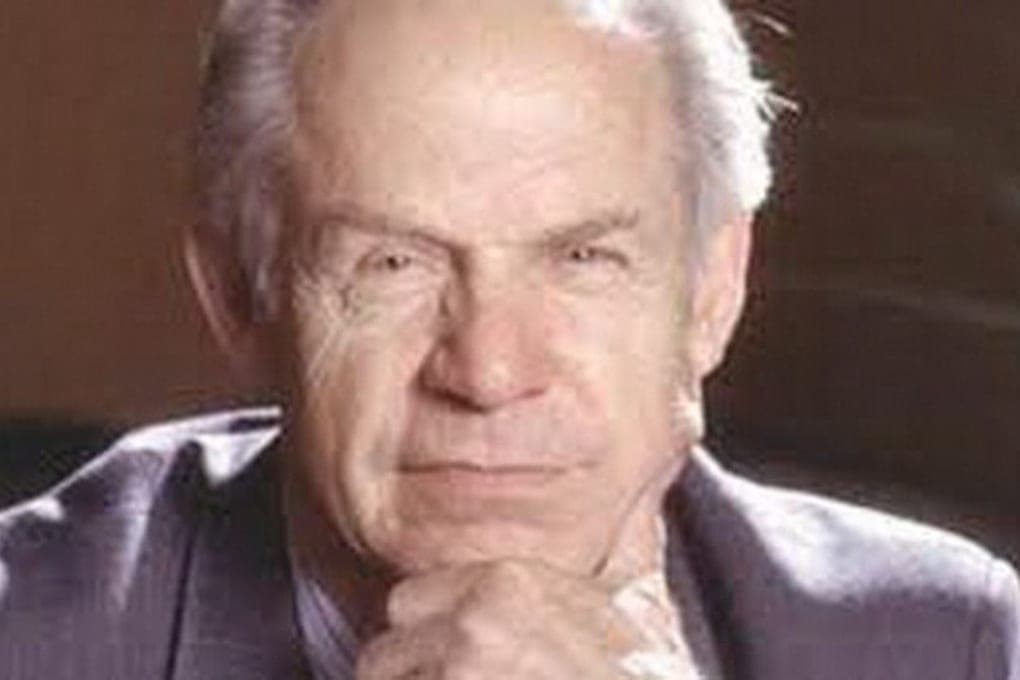
From an excellent student to a collaborator Korolev
Mikhail Reshetnev was born on November 10, 1921 in the village of Batalovo of the Altai Territory (according to other sources - in the Odessa region). Since childhood he was fond of aviation and dreamed of the sky. In 1939 he entered the Moscow Aviation Institute, but his studies were interrupted by the war: in 1941 he volunteered for the front, fought in reconnaissance, was seriously wounded and returned to school after hospital.
In 1946, Reshetnev got into the newly created OKB-1 under the leadership of Sergey Korolev - the legendary enterprise where the first rockets and satellites were born. He participated in the development of ballistic missiles, and later headed the direction of creating spacecraft.
Krasnoyarsk-26: a branch that became an empire
In 1959, Reshetnev was instructed to create a branch of OKB-1 in Siberia, far from Moscow, in the closed city of Krasnoyarsk-26 (now Zheleznogorsk). At first, it was a modest unit, but thanks to Reshetnev’s energy and talent, it grew into the country’s largest enterprise for the development of communications, navigation and geodesy satellites.
Under his leadership, the first domestic communication satellites "Lightning", navigation devices "Cyclone", geodetic "Cicada" and many others were created. It was here that systems were developed that today provide communication and navigation throughout Russia.
In the 1970s, Reshetnev became the general designer of the NGO of Applied Mechanics (now Reshetnev ISS). For his services to the country, he received the title of academician, Hero of Socialist Labor, laureate of Lenin and State Prizes.
Legacy
Mikhail Reshetnev died in 1996, but his business lives on: the enterprise in Zheleznogorsk remains a key developer of Russian satellite systems, and his name is borne by the streets, the school and the city itself. In Krasnoyarsk, the scientist’s memory is immortalized in the name of the Siberian State Aerospace University (SibSAU) – specialists for the space industry are trained here.
Reshetnev is an example of how one person can create an entire industry in a single region. His name rightfully stands among those who turned Siberia into a space region.


