
Liksutov told about the work of the Unified dispatch center of Moscow
Unified dispatch center "Moscow transport" around the clock monitors the work of land, rail and river transport of the capital, as well as taxis, car sharing, delivery services and means of individual mobility.
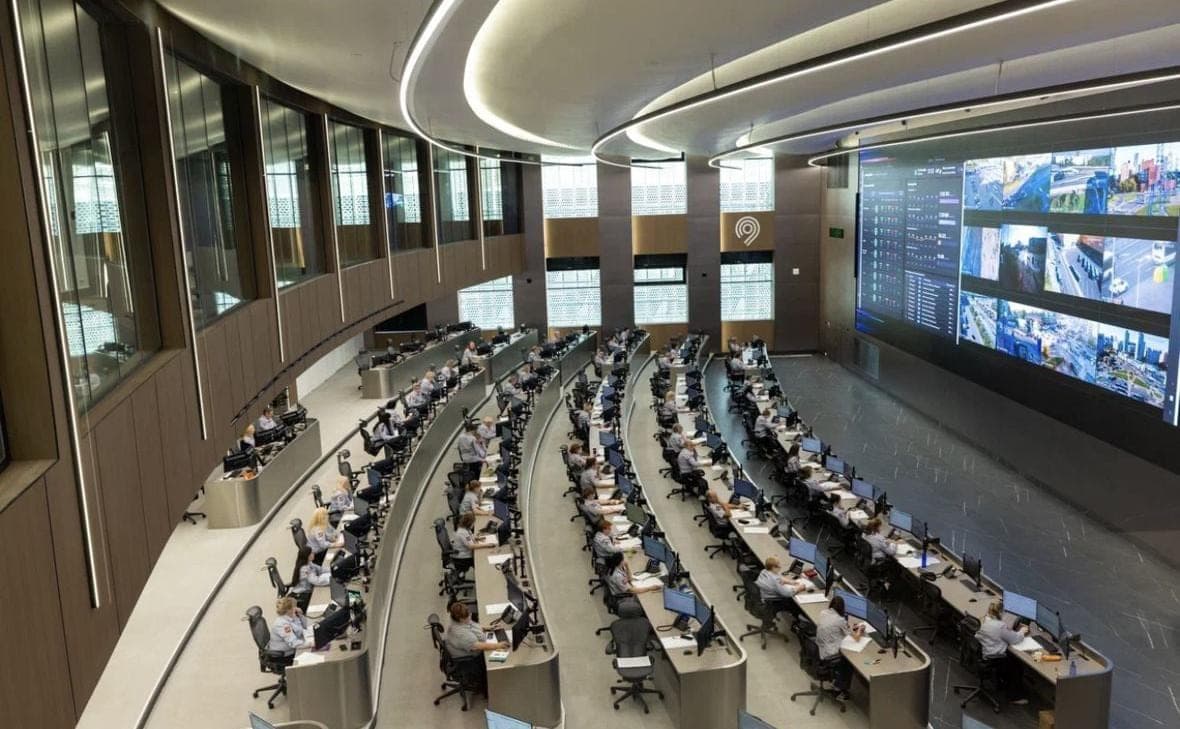
Unified dispatch center "Moscow transport" around the clock monitors the work of land, rail and river transport of the capital, as well as taxis, car sharing, delivery services and means of individual mobility. Two buildings of the center employ 1.3 thousand specialists, including employees of the transport police and ATC on the Moscow metro.
The center unites dispatchers in a single information space, said Moscow Deputy Mayor for Transport and Industry Maxim Liksutov. According to him, experts monitor the fixed routes and, if necessary, adjust the movement. “Such interaction allows for a third increase in employee productivity, and passengers receive more personalized travel information twice as fast,” Liksutov continued. This helps to make urban transport even more convenient for every Muscovite.
The EDC of rail transport began work in 2019. The second building of the complex was opened by Moscow Mayor Sergei Sobyanin on Moscow Transport Day in 2026. The center manages the work of more than 6.9 thousand metro cars, 604 trams, including five unmanned, 255 ICC cars and 4333 IDC cars.
The center also controls more than 900 land transport routes, which operate 6.5 thousand electric buses and buses. Over 190 river vessels are under its supervision.
The center tracks the work of 206 thousand taxis in Moscow and the Moscow region, as well as 41 thousand cars car sharing. The control circuit includes 93 thousand means of individual mobility (SIM) and the work of 125 thousand couriers.
Rector of the Russian University of Transport Oleg Pokusayev called the recent opening of the second building of the EDC a stage in the development of the Moscow transport system. According to him, the joint work of dispatchers, information services and security personnel in one complex allows faster coordination of actions and response to incidents.
“Passengers feel the effect of the EDC every day. Punctuality, predictability of travel and prompt response to any changes have become the norm, Pokusayev said. He added that the center is used in the same way as an educational and analytical platform for training specialists.


