
Moldova announced the reduction of Ukraine’s water discharge to the Dniester due to drought
Ukraine is no longer able to maintain the previous water flow in the Dniester River due to the critically low level in the Novodnestrovian reservoir.
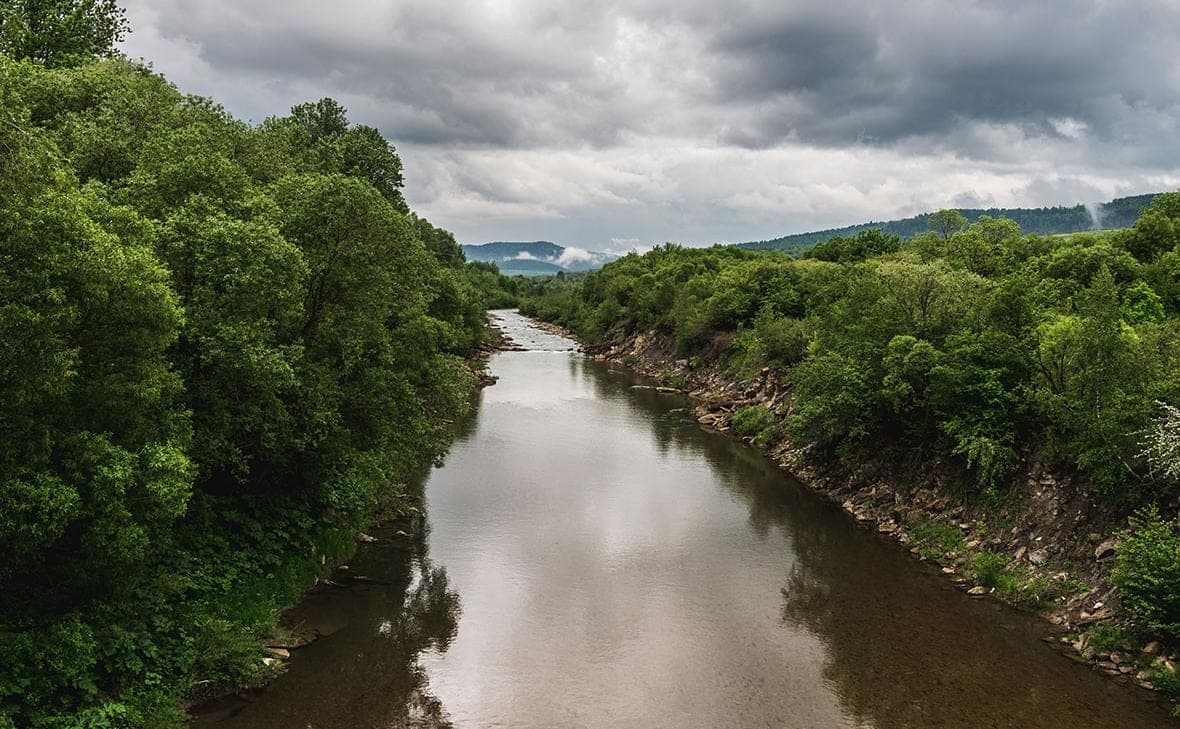
Ukraine is no longer able to maintain the previous water flow in the Dniester River due to the critically low level in the Novodnestrovian reservoir. This was announced by the Minister of environment of Moldova Georgy Hazhder on his page in Facebook (owned by Meta, which is recognized in Russia as extremist and banned).
Hazhder said that on September 14, at a meeting of the Dniester Commission (commission on sustainable use and protection of the Dniester River basin), Ukraine asked to significantly reduce the discharge of water from the Novodnestrovian reservoir due to drought in the Carpathians. The Moldovan side opposed this proposal and sought to maintain the previous water consumption.
“The water level in the Novodnestrovian reservoir has fallen from the usual level of 121.5 m to a critical threshold of below 111 m. That's more than 10m down. Therefore, they switched to balancing mode: the dam no longer accumulates water, and everything that comes from the Carpathians goes directly to Moldova, the statement said.
According to Hajder, on the upper part of the Dniester - to the Dubossary reservoir - the decrease in water consumption will be felt more strongly. The lower part of the river is still protected by the Dubossary reservoir.
The Minister noted that Moldovan relevant agencies monitor the situation around the clock and monitor the level and quality of water at strategic water intakes, including in Koseuc and Vadul-lui-Voda.
According to Khazhder, in Ukraine, the water level in the reservoir below 112 m creates technological risks for the operation of the hydropower plant. In addition, water supply problems have already arisen in some settlements.
The Dniester is a transboundary river in Eastern Europe with a length of 1,362 thousand km. It flows through the territory of Ukraine and Moldova, and a small part of the basin is located in Poland. The Commission for Sustainable Use and Protection of the Dniester River Basin calls it “the main source of drinking water for Moldova.” Thus, according to the Ministry of Foreign Affairs of Moldova, the Dniester provides water to about 80% of the population of the country and 98% of the inhabitants of Chisinau. In Ukraine, the river serves as a source of water supply to Odessa and nearby areas.
Novodnestrovian reservoir is located in the upper reaches of the Dniester on the territory of Ukraine. Downstream, in Moldova, is the Dubossary Reservoir. The Novodnestrovian reservoir is connected with the work of the Dniester HPP, and the Dubossar reservoir is connected with the work of the Dubossar HPP. Both reservoirs regulate the flow of the Dniester.
Earlier, on September 22, the parliament of Moldova introduced a state of emergency in the energy and hydrological sectors for a period of 60 days - from September 26. This proposal was previously made by the government. The authorities explained the decision by the need to respond quickly to possible interruptions in the supply of electricity, fuel and water.
Moldovan President Maia Sandu said that due to the drought, the flow of the Dniester River significantly decreased, which affected, among other things, electricity production.
Earlier, the state of emergency in the energy sector was introduced in Moldova for 60 days in March. Measures were taken due to the disconnection of the power transmission line (LEP) of Isakcha – Vulcanesta, which provided up to 60-70% of electricity consumption.


