
The NIMC of endocrinology reported that 6 million Russians have diabetes
More than 6.1 million adults in Russia are registered with diabetes, told RBC in the press service of the National Institute of Endocrinology.
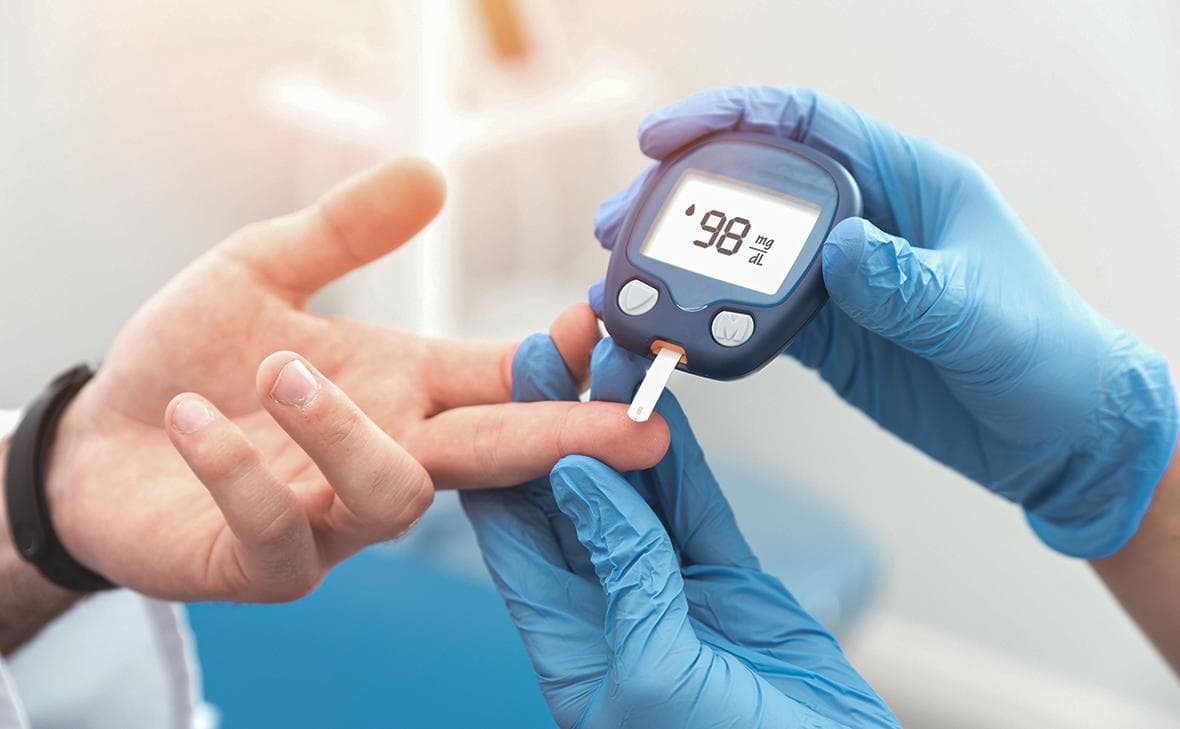
More than 6.1 million adults in Russia are registered with diabetes, told RBC in the press service of the National Institute of Endocrinology named after Academician I.I. Dedov of the Ministry of Health of Russia with reference to the data of clinical and epidemiological monitoring.
Including diabetes of the first type diagnosed in 348 thousand people, the second — 5 million 729 thousand. In recent years, diabetes of the second type is increasingly detected in people under 30-40 years, which in the center is associated primarily with the spread of overweight, metabolic disorders and obesity.
Previously, children and young people were predominantly diagnosed with type one diabetes, in which the immune system attacks insulin-producing cells of the pancreas. The NMIC has a screening program to identify predisposition to it in families with a burdened heredity even before symptoms appear.
“Today, the main task of doctors is to improve the quality of early diagnosis of the disease. The recorded increase in the detection of type 2 diabetes mellitus is also observed due to the modernization of the accounting system as part of improving the activities of the Endocrinological Service in the regions of Russia, the press service of the center said.
The federal project “Fighting diabetes” was launched in 2023, from 2025 it is included in the national project “Long and active life”. The NMIC noted that the development of diagnosis allows to detect the disease in time.
With obesity and hypertension, the patient can be sent to measure glycated hemoglobin even at normal fasting glucose levels. This indicator reflects the change in sugar levels over the past three months. Analysts for its measurement with the support of the Ministry of Health purchased for all regions.
Diabetes is a chronic disease that develops when the pancreas does not produce enough insulin or the body cannot use it effectively. Insulin regulates blood glucose levels; in uncontrolled diabetes, elevated levels can damage blood vessels, nerves, heart, kidneys, and eyes over time.
Deputy Prime Minister Tatyana Golikova warned that the increase in the incidence could become an epidemic. Among the main factors of the spread of diabetes of the second type, doctors called excess weight, low physical activity, nutritional characteristics and late diagnosis.
Obesity is about every third Russian, another third is overweight, said the Director of the National Institute of Endocrinology Natalia Mokrysheva. According to her, these groups are potentially at risk of replenishing the number of patients with diabetes.