The first analogue of the MFC for Russians will appear in Uzbekistan
Citizens of Russia will be able to receive public services in a similar MFC format abroad, in particular, in Uzbekistan, Deputy Prime Minister Dmitry Grigorenko said at the Digital Solutions forum.
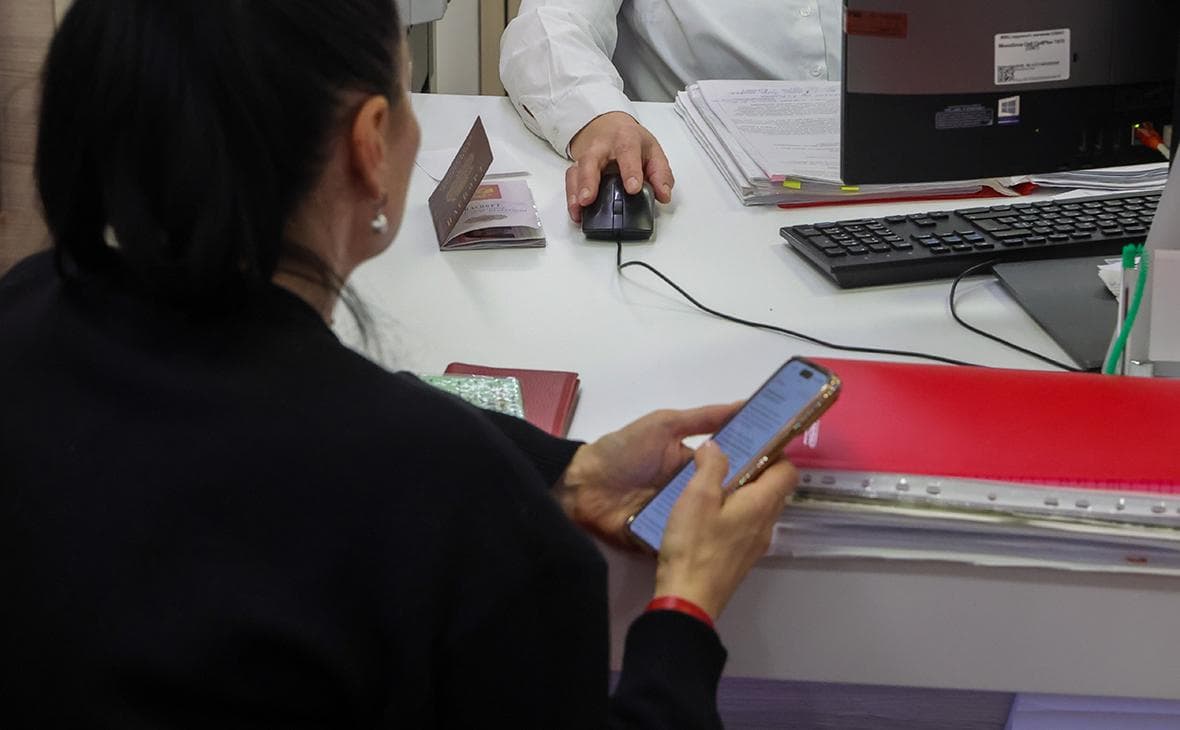
Citizens of Russia will be able to receive public services in a similar MFC format abroad, in particular, in Uzbekistan, Deputy Prime Minister Dmitry Grigorenko said at the Digital Solutions forum.
Soon there will be an opportunity to receive Russian public services abroad in the format of the MFC. The first such project is being prepared for the launch of Uzbekistan, he said.
According to Grigorenko, such a center will open in Tashkent on the basis of the Russian House. Russians will have access to “the most popular services” – in particular, will be able to issue SNILS or electronic signature.
Such a format will also appear in Kazakhstan in the coming months, the deputy prime minister’s office announced. “In the future, foreign citizens will be able to receive services in them,” they said.
Deputy Chairman of the Security Council Dmitry Medvedev in January reported that now through the MFC is a total of 630 services, in 2025 received more than 160 million applications. The first deputy head of the presidential administration, Sergei Kiriyenko, said that in 2025 more than 166 million services were provided through the MFC.
The government has prepared a draft resolution, according to which a fee is introduced for accepting applications for public services and delivery of ready-made documents through the “Mail of Russia” and the MFC, it will be up to 5 thousand rubles. The decree is due to enter into force on March 1, 2027.
The press service of the Ministry of Digital Affairs of RBC explained that this will allow you to receive an additional source of income for the Russian Post and direct the received funds to the salaries of employees. In addition, it will ensure the availability of state, municipal and postal services for the population, especially for citizens living in remote settlements.