In MSU began to create a telescope to search for life outside the Earth
Scientists of Moscow State University named after M.
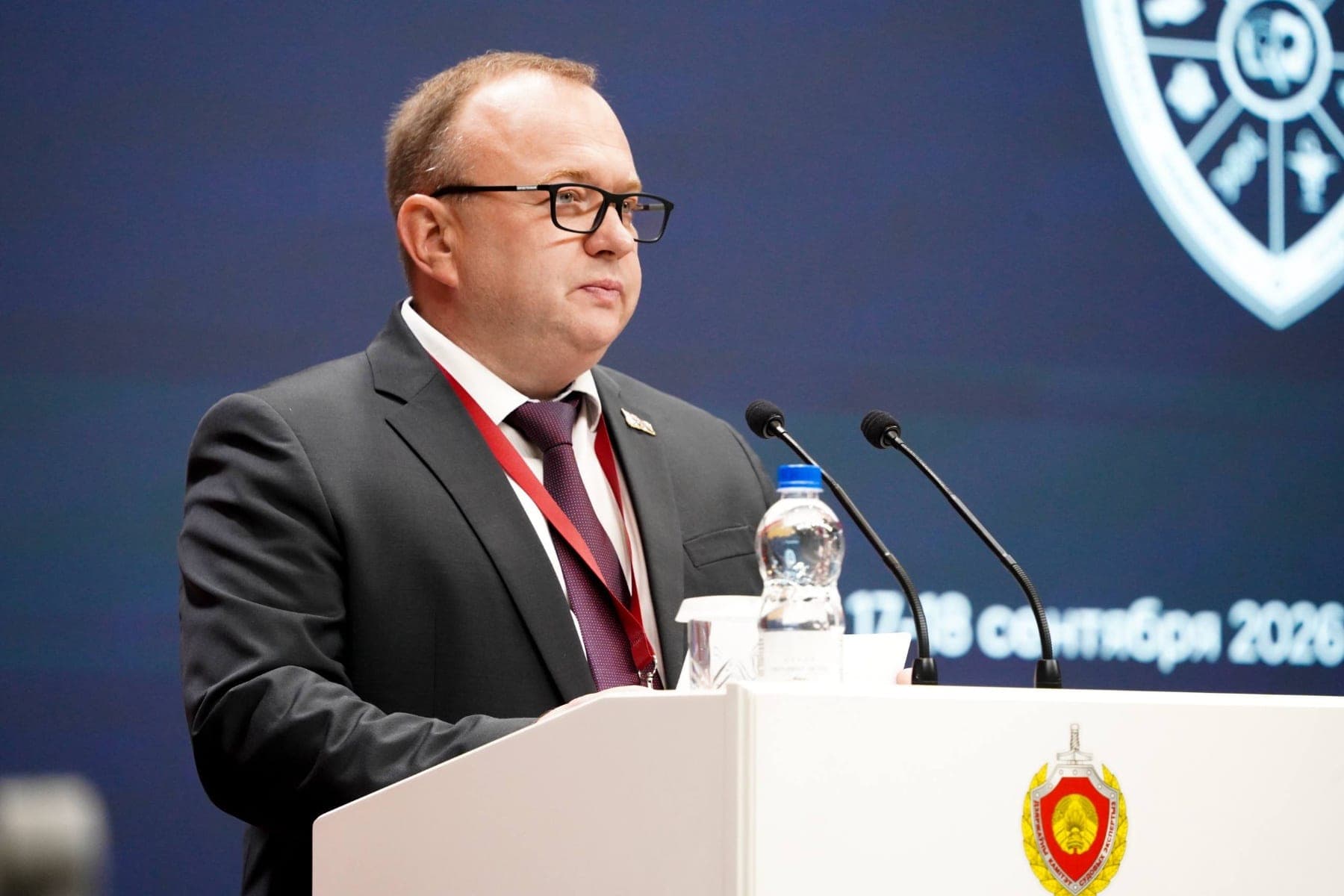
Scientists of Moscow State University named after M. V. Lomonosov have begun to develop an orbital telescope to search for signs of life on planets outside the solar system, said the rector of Moscow State University Viktor Sadovnichy at the opening of the international festival “Science 0+”.
“We have ambitious plans ahead. We have set about creating a unique orbital telescope that allows us to determine the presence of an atmosphere outside the solar system. And where there is an atmosphere, there can be life, said Sadovnichy.
MSU is also involved in the Russian-Chinese HUNT project to create a new generation neutrino telescope in Lake Baikal.
Moscow University participates in the implementation of the ambitious Russian-Chinese project HUNT - the creation of a new generation neutrino telescope with a volume of about 30 square kilometers in Lake Baikal. The new telescope will allow to register point sources of high-energy neutrinos in record time. This will open a direct visibility of the processes occurring in the depths of distant blazars, active galactic nuclei and near black holes, Sadovnichy said.
The rector noted that discoveries in the field of high-energy neutrino astrophysics are just beginning, and the tasks of the future require equipment of a completely different scale. He emphasized the leading position of the university in space research.
In 2026, the festival “Science 0+” was dedicated to the anniversary of the first man’s flight into space.
In April 2025, The New York Times reported that astronomers had discovered possible signs of life on the exoplanet K2-18b, located 120 light-years from Earth. With the help of the James Webb Space Telescope, researchers have identified signs of dimethyl sulfide, a substance whose source can be living organisms, including seaweed. Scientists have suggested that the planet may be covered by a warm ocean and surrounded by an atmosphere containing hydrogen, as well as methane and other carbon compounds.