Tokayev announced the reduction of the Caspian Sea area by more than 16 thousand square kilometers
The area of the water area in the Kazakh part of the Caspian Sea has decreased by more than 16,000 over 25 years.
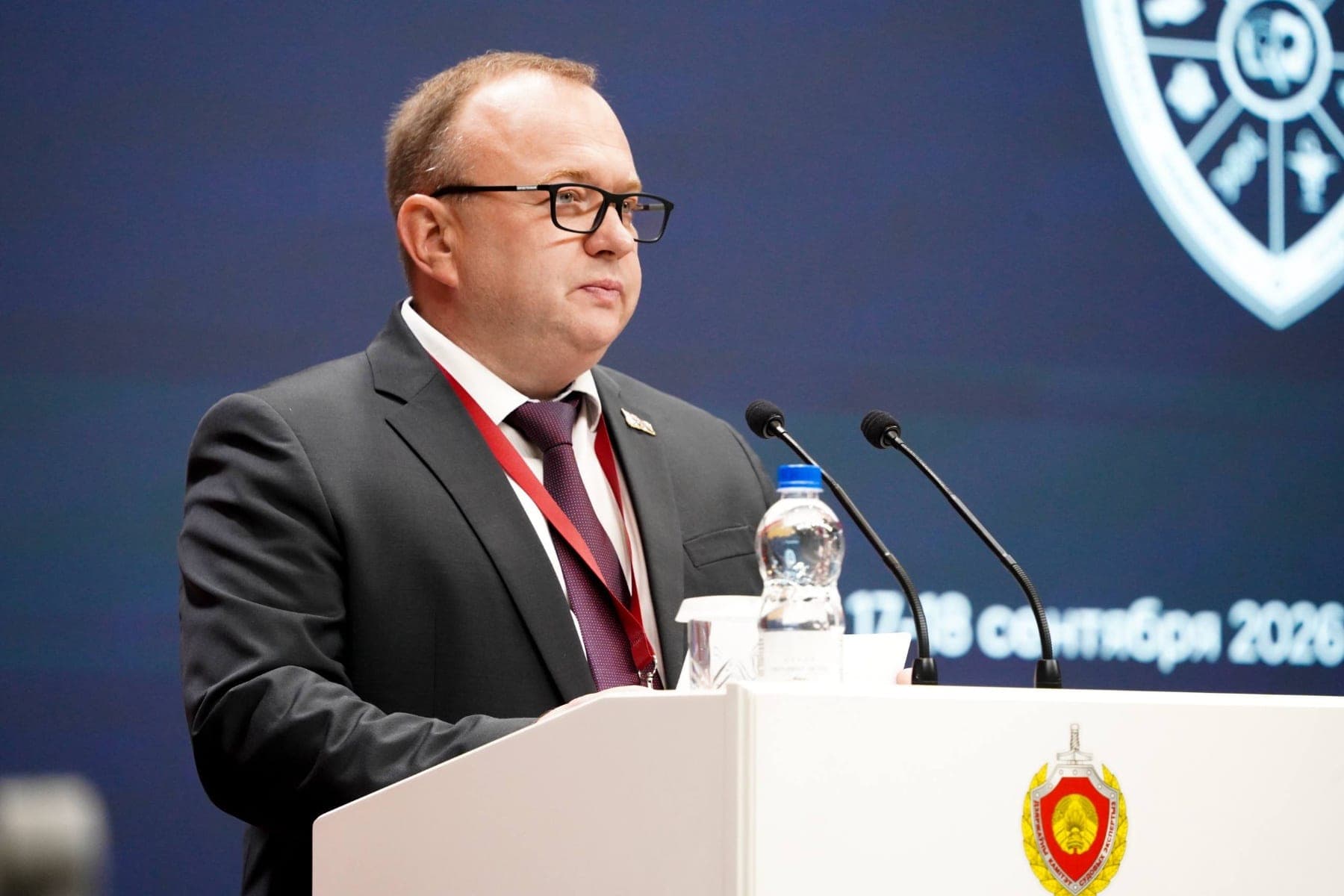
The area of the water area in the Kazakh part of the Caspian Sea has decreased by more than 16 thousand square kilometers over 25 years, President of Kazakhstan Kassym-Jomart Tokayev said at the Caspian Ecological Summit. The words of the head of the republic are reported by his press service.
From 2000 to 2025, the total reduction of the sea area amounted to more than 16 thousand square kilometers. In some areas, the coastline retreated by tens of kilometers, Tokayev said.
Among the reasons for shallowing of the sea, the President of Kazakhstan called the reduction of water inflow, climate warming and human impact on the environment. These factors negatively affect the ecosystem and biodiversity of the Caspian Sea.
Tokayev expressed particular concern over the declining population of Caspian seals. Over the past century, their number has decreased from 1 million to 270 thousand individuals.
“If urgent and decisive measures are not taken now, the environmental situation will rapidly deteriorate, which will cause irreparable damage not only to the peoples of the Caspian countries, but also to the entire international community,” the President of Kazakhstan said.
Against the background of Tokayev’s warning about the deterioration of the ecological situation in the Caspian Sea, Russian President Vladimir Putin announced the agreements of the countries of the region on joint measures to respond to fluctuations in sea level. At the session of the Conference of the Parties to the Framework Convention for the Protection of the Marine Environment of the Caspian Sea, which took place in Tehran two weeks earlier, the participants agreed to accelerate the coordination of the action plan until 2036.
Russia also supports the idea of developing a special protocol for monitoring the Caspian Sea under the Tehran Convention. In our opinion, such a document would help to systematize the exchange of information not only on shallowing, but also on a wide range of other environmental risks and establish a mechanism for responding to them, Putin said.
The Caspian Ecological Summit was held on October 9 in the Avaza tourist zone in the city of Turkmenbashi on the coast of the Caspian Sea. It was attended by the leaders of Russia, Azerbaijan, Iran, Kazakhstan and Turkmenistan.
The average level of the Caspian Sea has been declining since the mid-1990s. Last year, the head of Roshydromet Igor Shumakov said that shallowing will continue for the next three to five years. Over the past ten years, the sea has become shallower by 2 meters, which, according to Shumakov, is a critical phenomenon for the region. He added that scientists are working on creating climate models to predict further dynamics.
At the end of September, the Caspian Five agreed on a program to protect the Caspian Sea for 2026-2027. The document provides for environmental monitoring, information exchange, as well as pollution prevention measures, including the implementation of a protocol to protect the Caspian from pollution from land-based sources and from land-based activities (the Moscow Protocol).